Which of the 5 Gut Types Sounds Most Like You?


Search for gut types and you will find quizzes that sort you into one of five categories in a couple of minutes. The results can feel surprisingly accurate: a stressed gut, a bloated gut, an angry one. But many of the descriptions combine common symptoms, emotions, and habits, which makes them easy for a wide range of people to identify with.
So what are the different gut types, and is any of it real? The five-type system is a wellness framework rather than a medical classification. Researchers do study patterns in gut microbial communities, but those scientific concepts are not equivalent to the five quiz categories. Understanding that distinction is more useful than trying to match one system to the other.

What Are the Different Gut Types in Popular Quizzes?
One widely shared version comes from supplement brand Ancient Nutrition. The company says its five gut types were developed using factors such as emotions, cravings, habits, and principles from traditional Chinese herbalism; they are not based on a clinical diagnostic test. It describes five types:
- Yeasty gut: a general imbalance of microbes, linked in the quiz to worry, poor focus, and a white coating on the tongue.
- Stressed-out gut: a “burned out” gut tied to chronic stress, sugar cravings, and heavy caffeine intake.
- Immune-support gut: a run-down gut linked to prolonged low mood, trouble concentrating, and C-section birth.
- Angry gut: a gut that deals with occasional constipation or diarrhea, associated with frustration and difficulty forgiving.
- Bloated gut: occasional gas, bloating, and indigestion after meals, tied to a high-strung personality.
Notice how much of this describes moods and habits rather than digestion. Statements like “you worry a lot” or “you sometimes feel bloated” apply to most adults, which is why the results feel personal even when they are not. These five labels should not be confused with clinically validated gut diagnoses. Other wellness sources use different names and different numbers of ‘gut types,’ which is another sign that there is no standardized five-type medical classification. Symptoms such as bloating, constipation, or diarrhea can have many possible causes, and a quiz cannot determine which one is responsible. Bloating alone can come from a food intolerance, constipation, stress, or a digestive condition, and a label can’t tell those apart.
Are There Different Gut Types According to Science?
Researchers do study recurring patterns in gut microbial communities, but these are not the same as the five types found in wellness quizzes. In 2011, a Nature study proposed three clusters of gut microbial communities, later called enterotypes, characterized largely by the genera Bacteroides, Prevotella, and Ruminococcus. The researchers identified these patterns across several datasets and reported that the clusters were not specific to nationality or continent. The concept was initially presented as a way to stratify variation in gut microbiomes, not as a clinical equivalent of blood types.
Later research made that picture less tidy. Larger datasets have often shown a continuous gradient, particularly between Bacteroides- and Prevotella-dominated communities, rather than sharply separated groups. A review of enterotype research concluded that the concept remains useful for studying microbiome patterns but that questions remain about how discrete, stable, and reproducible those categories really are.
So science does not currently give us one fixed number of human ‘gut types.’ Enterotype research has identified recurring microbial patterns, particularly along Bacteroides- and Prevotella-associated gradients, but researchers continue to debate whether these form discrete categories or a continuum.
What Should You Track Instead of a Gut Type?
Forget personality-style gut labels. Answer five quick questions to see which digestive patterns may be more useful to pay attention to.
Types of Gut Microbiota: What Actually Varies
A more useful way to think about types of gut microbiota is as dimensions that differ from person to person. Composition is one dimension. A 2026 review describes Firmicutes and Bacteroidetes as the two predominant bacterial phyla in the gut, alongside smaller groups such as Actinobacteria and Verrucomicrobiota. But phylum-level proportions tell only a small part of the story, because meaningful variation also occurs at the genus, species, strain, and functional levels. Within that frame, the mix of individual genera varies widely. Diversity is another dimension, meaning how many different species live in your gut and in what proportions.
Neither stays fixed. The same review points to age, geography, antibiotic exposure, and long-term dietary habits as key influences, with diet among the most influential, and describes the microbiota as changing over a lifetime. That is why any attempt at gut types explained through a single label oversimplifies. Gut microbial composition can change over time in response to factors such as diet, antibiotics, age, and environment. That makes a permanent personality-style ‘gut type’ an especially poor fit for what researchers actually observe. A wellness quiz also cannot determine which microbes are present in your gut or establish the cause of digestive symptoms.

What Is My Gut Type? How to Know Your Gut Type in Practice
If you are asking what is my gut type, a better question is what your gut is doing. If the goal is to describe what your digestive system is doing, one clinically useful classification is the Bristol Stool Chart. It categorizes stool into seven types based on shape and consistency, from separate hard lumps to entirely liquid stool. Types 3 and 4 are generally considered the most typical or ideal forms. Types 1 and 2 suggest constipation, while types 5 through 7 become progressively softer, with types 6 and 7 associated with diarrhea. It gives patients and clinicians a shared way to describe bowel habits.
If you want a more useful picture of your digestive health, track patterns for a week or two instead of relying on a quiz label. Note how often you go and which Bristol type you see, which symptoms appear (bloating, gas, cramping) and when, and what might trigger them, such as specific foods, stress, poor sleep, or medications. Bloating that repeatedly follows large or high-fiber meals may call for a different conversation than loose stools that consistently appear during stressful periods. The pattern does not diagnose the cause, but it gives a healthcare professional more useful information to work with. Bring the notes to a doctor or dietitian if symptoms persist, because a clear pattern gives them far more to work with than a quiz label. A doctor can also rule out conditions such as celiac disease or inflammatory bowel disease, which no quiz can do.
What Supports Most Guts, Whatever the Label
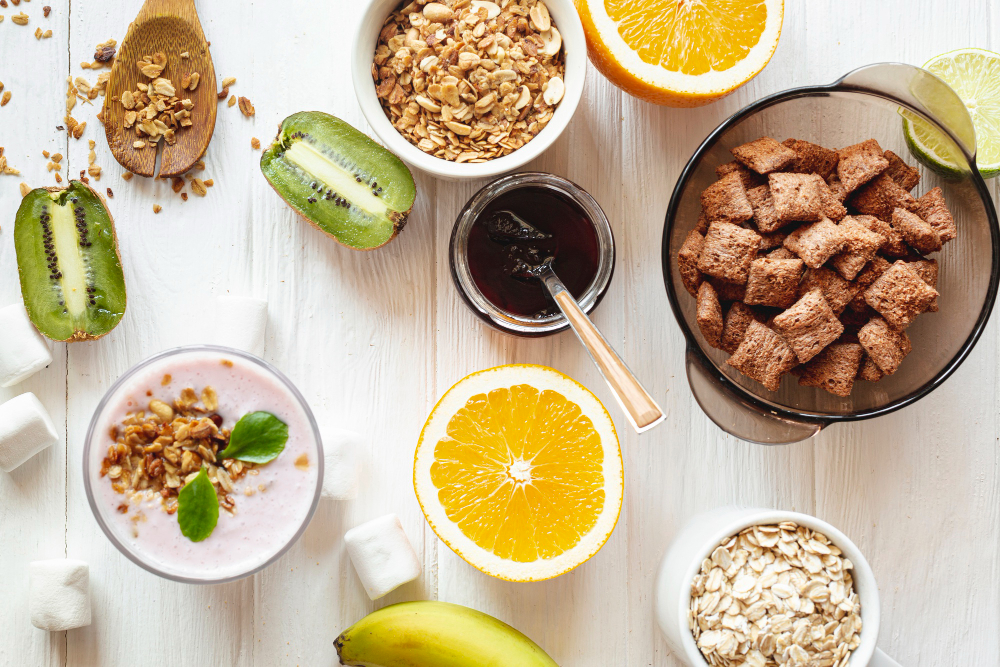
Whichever quiz result you get, the best-supported habits are the same. Fiber-rich foods such as beans, oats, vegetables, fruit, nuts, and seeds are a practical place to start. Gut bacteria can ferment certain types of fiber and produce short-chain fatty acids, which play several roles in the colon. Add it gradually and drink enough water. Eating a varied range of plant foods can broaden the types of fibers and plant compounds in the diet. Fermented foods such as yogurt with live cultures, kefir, and kimchi can also be included if you enjoy and tolerate them, alongside regular movement, adequate sleep, and strategies for managing stress.
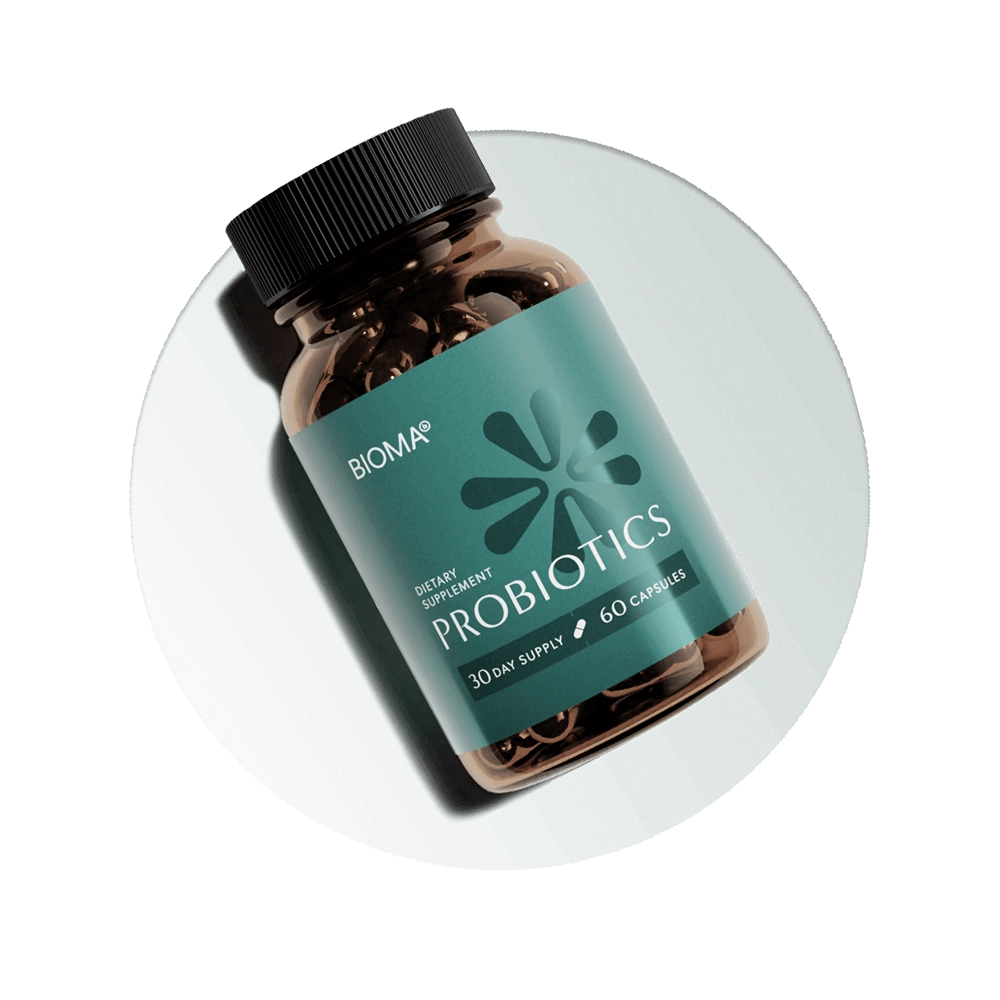
Once those basic habits are in place, some people also consider Bioma probiotics as part of their routine. The National Center for Complementary and Integrative Health notes that different probiotics can have different effects, so evidence for one microorganism or formulation does not automatically apply to another. Bioma Probiotics contains three Bifidobacterium strains: B. breve, B. longum, and B. lactis. It also contains xylooligosaccharides (XOS), a prebiotic ingredient, and tributyrin, a butyrate-releasing compound. Research on probiotics as a category does not establish that this particular formula will produce any of the benefits discussed in this article. The directions are two tablets daily with water, and the formula is vegan. People with underlying health conditions, a weakened immune system, or concerns about supplement–medication interactions should discuss probiotic use with a healthcare professional.
A quiz result should never be used to explain away persistent or concerning symptoms. Blood in the stool, unintentional weight loss, persistent vomiting, black or tarry stools, worsening abdominal pain, or a lasting change in bowel habits call for medical evaluation.

Sources
- Ancient Nutrition. Gut Type Quiz. https://ancientnutrition.com/blogs/all/gut-type-quiz
- Nature. Enterotypes of the human gut microbiome (2011). https://doi.org/10.1038/nature09944
- SciTechDaily. Gut Microbial Enterotypes Form a Spectrum Rather Than Distinct Groups. https://scitechdaily.com/gut-microbial-enterotypes-form-a-spectrum-rather-than-distinct-groups/
- Genomics, Proteomics & Bioinformatics (OUP). Stereotypes About Enterotype: the Old and New Ideas. https://academic.oup.com/gpb/article/17/1/4/7229726
- Frontiers in Nutrition. The influence of a plant-based diet on the composition and functions of the human gut microbiota: a review (2026). https://www.frontiersin.org/journals/nutrition/articles/10.3389/fnut.2026.1774375/full
- Cleveland Clinic. Bristol Stool Chart. https://my.clevelandclinic.org/health/diagnostics/bristol-stool-chart
- NCCIH. Probiotics: Usefulness and Safety. https://www.nccih.nih.gov/health/probiotics-usefulness-and-safety
- Bioma Health. Probiotics for Gut Health. https://bioma.health/gut-health-probiotics


Related articles


Less gut discomfort. More freedom to enjoy life.
Take our 1-min quiz to find out your gut type and get personalized advice and probiotics to relieve constipation, bloating, and other digestive issues.


