September Is the New January: 10 Ways to Start Your Healthy Reset Now


September has a strange way of feeling like a second New Year. Summer routines loosen, travel slows down, school and work schedules return, and ordinary weekdays suddenly have more structure again. That makes early fall a surprisingly useful time for a healthy reset. A reset does not need to mean a detox, a punishing fitness plan, or replacing everything in your kitchen. A more useful approach is to identify the habits that disappeared over summer and rebuild the ones that make everyday life feel better.
Use the 10 ideas below as a practical September health reset. You do not need to complete all of them at once. Choose the habits that solve a real problem in your current routine and build from there.
What Is a Healthy Reset?
A healthy reset is a short period when you deliberately return to supportive routines after a disrupted season. It can involve sleep, food, movement, hydration, stress management, meal timing, or gut health.
The purpose is not to erase what you ate or did during summer. A useful reset looks forward and creates enough structure to make healthy habits easier to repeat once the initial motivation fades.
If you are searching for how to reset your gut health, the same principle applies. Your microbiome does not need to be “cleansed.” Returning to varied foods, fiber, regular meals, movement, adequate sleep, and a more consistent routine is a much more practical starting point.
1. Choose a Consistent Wake Time
Sleep schedules often drift during vacations, weekends away, and long summer evenings. Instead of suddenly forcing yourself into an unrealistically early bedtime, start with a wake time you can maintain most weekdays. A consistent morning gives the rest of your routine an anchor. It creates clearer windows for meals, exercise, work, and bedtime without requiring you to overhaul everything at once.
Try this: choose a realistic weekday wake time and keep weekends reasonably close instead of shifting your schedule by several hours.

2. Add One Fiber Rich Food to Breakfast or Lunch
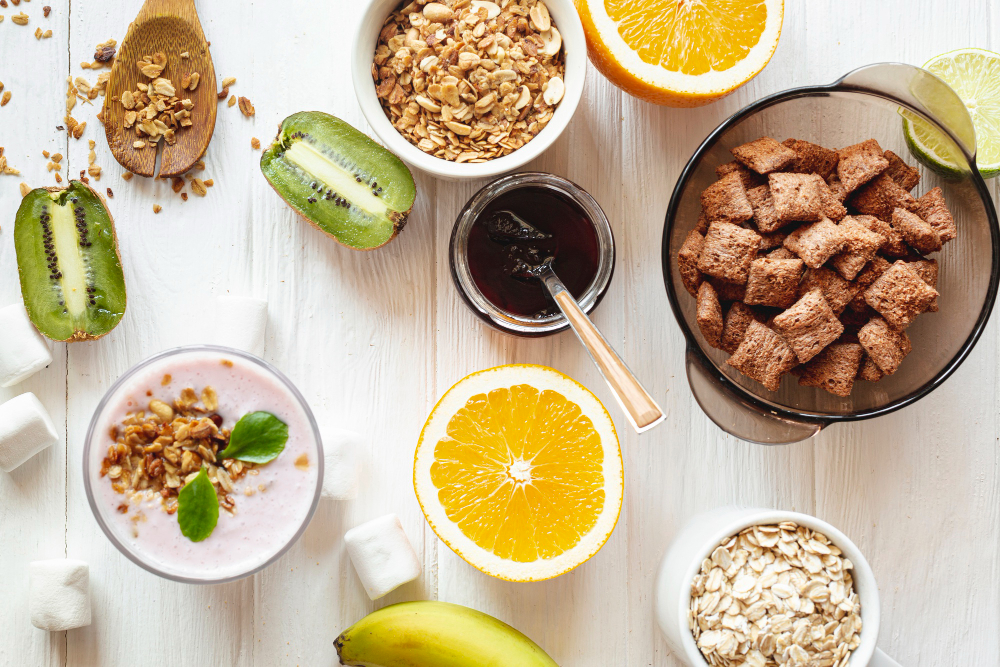
A gut health reset does not need to begin with an expensive supplement routine. Start by improving a meal you already eat. Add one simple source of fiber, such as:
- Oats
- Berries
- Chia seeds
- Beans or lentils
- Whole grain bread
- Vegetables
- Nuts or seeds
If your current diet is relatively low in fiber, increase it gradually. Making a dramatic jump overnight can cause extra gas or bloating for some people.
3. Take a 10 Minute Walk After One Meal
You do not need to schedule an hour long workout to restart your movement routine. A short walk after breakfast, lunch, or dinner is much easier to attach to something you already do every day.
It also breaks up long periods of sitting. Once a 10 minute walk becomes automatic, you can build longer or more structured exercise around it rather than waiting for the perfect workout plan.
4. Fix Your Afternoon Hydration Slump
Many people drink coffee in the morning, get busy, and realize late in the afternoon that they have barely had anything else to drink.
Instead of chasing an exact water target, create a cue. Refill your bottle before lunch, after a meeting block, or when you make afternoon tea. Hydration also becomes more relevant when you are increasing fiber, since fluids help support normal bowel function.
10 Small Habits to Restart This Month
Check each habit when you complete it at least once this week. The goal is to rebuild a routine you can repeat, not finish everything in one perfect day.
Start With One Easy Win
A reset becomes useful when the first habit feels easy enough to repeat. Choose the simplest unchecked item next.
5. Build One Balanced Dinner You Can Repeat
Healthy resets often become exhausting because every meal suddenly turns into a complicated recipe. Find one dinner that is easy enough to make on a normal Wednesday when motivation is low. A simple formula is:
- Protein source
- At least one plant food
- A satisfying carbohydrate or whole grain
- Flavor or fat you genuinely enjoy
That could be salmon with potatoes and vegetables, tofu with rice and broccoli, or beans with quinoa, avocado, and salsa. Your repeatable dinner should reduce decision fatigue, not create more of it.
6. Create a 30 Minute Wind Down Window
If summer evenings stretched later and later, September is a good time to rebuild a transition into sleep. For the final 30 minutes before bed, reduce activities that keep you mentally switched on. Put your phone away, dim bright lights, read, shower, stretch, or prepare a few things for the next morning.
The routine does not need to look aesthetic or complicated. It only needs to be repeatable.
7. Make Gut Friendly Foods Easier to Reach
The foods you intend to eat are much easier to choose when they require little preparation. Stock a few shortcuts that can survive a busy workweek.
Useful options include frozen vegetables, canned beans, oats, berries, nuts, prewashed greens, whole grains, and yogurt. Having several easy choices available can make a healthy reset much more realistic than relying on motivation alone.
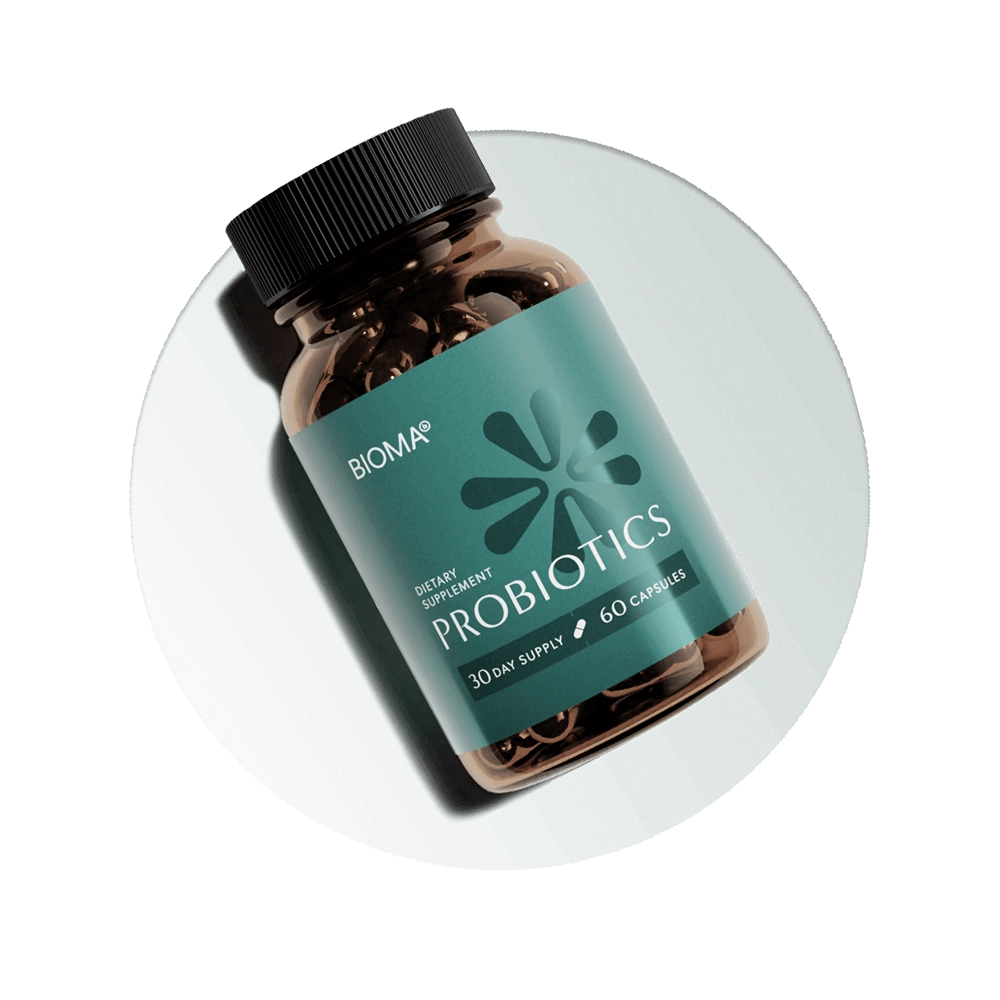
If supplements are already part of your routine, consistency can also be easier when you attach them to an existing habit. You can learn more about Bioma probiotics for gut health if probiotics are something you already want to include in your broader wellness routine. Bioma combines three Bifidobacterium species with XOS prebiotics and tributyrin to support digestive balance, smoother digestion, bowel regularity, and everyday gut comfort. The formula is also designed to support beneficial gut bacteria and the gut environment over time, which makes it a practical addition to a routine built around fiber rich foods, hydration, movement, and consistent meals.

8. Schedule Two Movement Sessions Before the Week Starts
Waiting until you “have time” to exercise often means the rest of the week fills up first. Put two realistic movement sessions on your calendar before Monday becomes busy.
They could involve strength training, cycling, swimming, running, a fitness class, or another form of activity you actually enjoy. Two planned sessions create a manageable foundation that you can expand later.
9. Eat One Meal Without Multitasking
A reset can also involve slowing down instead of continually adding more wellness tasks. Choose one meal where you are not answering emails, scrolling social media, or working through lunch.
Use the time to notice taste, hunger, fullness, and whether the meal actually satisfies you. You do not need to turn every meal into a mindfulness exercise. One distraction free meal is enough to practice being more present with food.
10. Choose Three Habits to Keep
This is the step that separates a useful healthy reset from a temporary challenge. After one or two weeks, identify the three habits that gave you the clearest benefit. Those habits become your baseline. Maintaining three useful changes is more valuable than completing 20 wellness tasks once and abandoning them the following week.
Try the Interactive September Reset Challenge
Use the challenge below to mark each habit you complete at least once this week. The progress bar updates automatically and gives you a simple result based on how much of your routine you have rebuilt.
The goal is not to collect 10 perfect checkmarks. Use the challenge to discover which habits are realistic enough to keep after September.
How Long Does It Take to Reset Gut Health?
There is no scientifically established number of days required to “reset” the gut microbiome. Microbial communities can respond to dietary and lifestyle changes relatively quickly, but long term gut health reflects ongoing habits rather than completing a seven day detox.
That is why the most useful gut health reset focuses on behaviors you can maintain. A week may be enough to restart a routine, but there is no finish line where the microbiome suddenly becomes permanently “fixed.” If you have persistent digestive symptoms, a reset challenge should not replace medical evaluation. Ongoing abdominal pain, blood in the stool, unexplained weight loss, severe constipation, prolonged diarrhea, or other significant changes deserve professional attention.

Make Your September Reset Stick
At the end of the week, do not ask whether you completed every item. Ask which habits actually made your days easier. Consider:
- Which habit required the least effort?
- Which one noticeably improved how you felt?
- Which one solved a recurring problem?
- Which three could you realistically continue next month?
The goal is to move from a temporary health reset to a routine that requires less conscious effort. Sleep, fiber rich foods, movement, hydration, repeatable meals, and a calmer evening routine do not need to happen perfectly to be useful.
September can provide the structure to restart them. What matters next is keeping the habits that genuinely improve your day and dropping the ones that only make wellness feel more complicated.
Sources
- National Center for Complementary and Integrative Health. Probiotics: What Do We Know?
Read the NCCIH probiotic overview - National Institute of Diabetes and Digestive and Kidney Diseases. Eating, Diet & Nutrition for Constipation.
Read the NIDDK nutrition guidance - Centers for Disease Control and Prevention. Physical Activity Basics.
Read the CDC physical activity guidance - National Heart, Lung, and Blood Institute. Healthy Sleep Habits.
Read the NHLBI sleep guidance - Bioma Health. Probiotics for Gut Health.
Learn more about Bioma Probiotics
Related articles


Less gut discomfort. More freedom to enjoy life.
Take our 1-min quiz to find out your gut type and get personalized advice and probiotics to relieve constipation, bloating, and other digestive issues.


