What Happens to Your Gut on a Long Haul Flight?

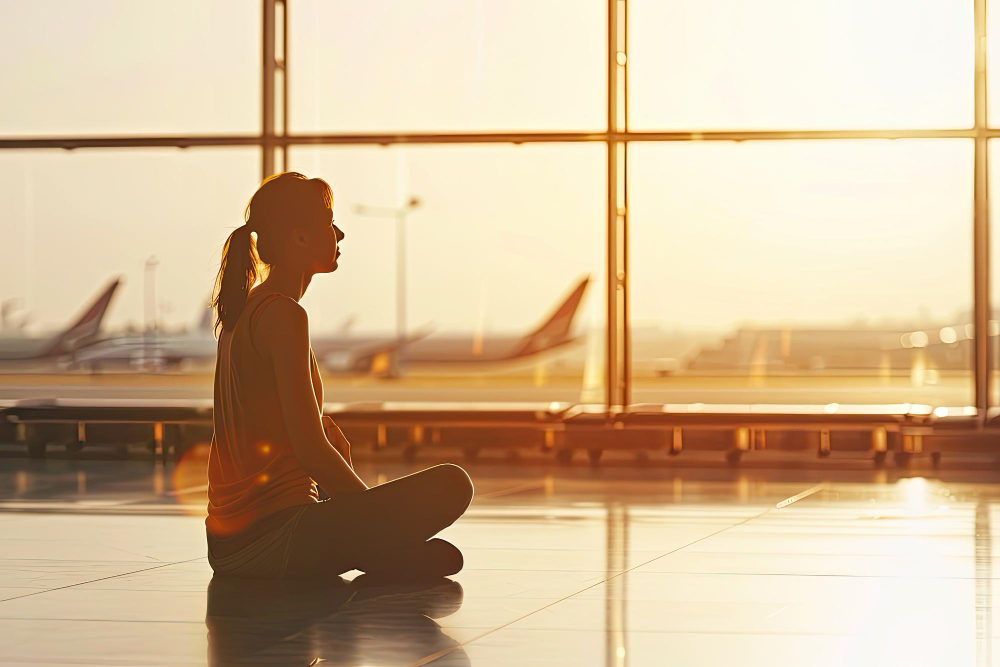
If your jeans suddenly feel tighter halfway across the Atlantic, your imagination probably is not responsible. Long flights combine cabin pressure changes, hours of sitting, unusual meal timing, disrupted sleep, and sometimes a rapid jump across several time zones. Your digestive system has to adjust to all of them at once.
That combination can explain the familiar “airplane belly” feeling during a flight and the constipation, bloating, or irregular bathroom schedule that sometimes follows after landing. Your microbiome may also respond to changes in sleep and circadian timing, although scientists are still working out exactly how much short term travel changes gut bacteria in humans. Here is what actually happens to your gut in the air and how to make the transition easier.
Does Flying Affect Your Stomach?
Yes, although several different factors are involved. Flying changes the physical environment around your body while simultaneously changing many of the behaviors that normally keep digestion predictable.
| During a long flight | What it can mean for your gut |
| Lower cabin pressure | Intestinal gas expands, which can increase bloating |
| Hours of sitting | You get much less physical movement than during a normal day |
| Different meals and snacks | Fiber intake and meal size may change |
| Crossing time zones | Your sleep, eating, and digestive rhythms can become misaligned |
| Different fluid habits | Drinking less than usual may make constipation harder to manage |
Commercial aircraft cabins are generally pressurized to the equivalent of roughly 6,000 to 8,000 feet above sea level. At this lower pressure, gases inside body cavities can expand. Aviation medicine sources estimate that trapped gas may increase in volume by around 25 to 30%, which helps explain why bloating can feel noticeably worse once the plane reaches cruising altitude.
What Are Airplane Belly and Gut Lag?
“Airplane belly” describes the bloated, stretched, or gassy feeling some people experience during a flight, while “gut lag” refers more broadly to digestive disruption that can continue after crossing time zones. Both can happen because a long-haul flight changes several things your digestive system is used to at once: cabin pressure, movement, meal timing, sleep, and your normal bathroom routine.
As cabin pressure falls at cruising altitude, gas already present in the stomach and intestines can expand, making bloating more noticeable. Large meals, carbonated drinks, or foods that already tend to trigger gas may intensify the feeling. This type of airplane belly is generally temporary, and gas volume decreases again as cabin pressure changes during descent.
Gut lag can last beyond the flight because digestion also follows daily biological rhythms. Crossing several time zones can suddenly shift when you sleep, eat, drink coffee, exercise, and use the bathroom, while the gut microbiome itself appears to show circadian patterns in composition and activity. A 2026 systematic review of human studies found associations between circadian disruption and changes in gut microbial composition and function, although researchers emphasized that the relationship is complex and stronger experimental evidence is still needed. The CDC also lists gastrointestinal disturbances among possible symptoms of jet lag, which is why returning to the destination’s meal and sleep schedule can be useful after landing.

Why Do You Get Jet Belly After a Flight?
Jet belly after a flight can be the result of several travel changes stacking together. Cabin pressure may explain some immediate gas and bloating, while constipation after arrival is more likely to involve changes in routine, food, activity, and bathroom habits.
Physical activity is relevant too. A 2024 systematic review involving more than 119,000 participants found that higher physical activity was associated with a lower risk of constipation. This research was not specifically about airplane travel, although it helps explain why spending a travel day moving very little may feel different from your normal routine.
Cabin air is also extremely dry, often around 10 to 20% relative humidity. Dryness can make your mouth, nose, eyes, and skin feel dehydrated. Evidence does not clearly show that low cabin humidity alone causes significant whole body dehydration in healthy passengers, so the familiar advice to hydrate is better understood in the context of maintaining your normal fluid intake during a disrupted travel day.
Your Long Flight Gut Checklist
Help Your Gut Handle the Journey
You cannot control cabin pressure, but you can reduce some of the other changes happening at the same time. Open each stage and check the steps that fit your trip.
Step 1
Before Your Flight
0 / 5
Keep your digestive routine as familiar as possible before departure. A long flight is rarely the ideal time to experiment with a dramatic diet, fasting plan, or completely new supplement routine.
Step 2
During the Flight
0 / 5
Long periods of immobility matter for health beyond digestion too. Move only when it is safe and always follow cabin crew instructions.
Step 3
After Landing
0 / 5
After landing, the goal is to give your body predictable signals again. Local meal timing, daylight, movement, and sleep can help rebuild a familiar daily rhythm.
Start With the Basics
Check the habits that fit your trip. Even a few simple choices can make a long travel day feel more predictable for your digestive system.
How to Reset Gut Health After a Flight
Your gut does not have a reset button, so there is rarely a need for a detox or an aggressive post flight protocol. The practical version of a gut reset is returning to the habits your digestive system recognizes.
Start with regular meals, adequate fluids, fiber rich foods, movement, and sleep on the destination schedule. If travel caused constipation, increasing fiber gradually is usually more comfortable than suddenly eating enormous amounts of bran, vegetables, and supplements in one day.
Your existing supplement routine can also stay consistent when appropriate. People who already use a Bioma gut health supplement can continue treating it as part of their normal gut health routine rather than an emergency treatment for airplane belly or jet lag. Bioma Probiotics contain Bifidobacterium lactis, Bifidobacterium longum, and Bifidobacterium breve, together with XOS prebiotics and tributyrin. The product is intended to support digestive and microbiome health, while the fundamentals of food variety, fiber, movement, hydration, and sleep still matter during travel.

When Should Post Flight Stomach Problems Be Taken More Seriously?
Mild bloating or a temporarily different bathroom schedule after travel is common enough to have recognizable nicknames such as airplane belly and gut lag. Symptoms that become severe, persist, or include significant abdominal pain, repeated vomiting, fever, blood in the stool, or other worrying changes deserve medical attention.
Recent abdominal surgery also requires special consideration before flying because changes in cabin pressure can affect gas trapped inside the body. CDC travel guidance recommends discussing air travel with a physician after recent abdominal and certain other surgical procedures.
Gut Health On a Flight
A long haul flight gives your digestive system several challenges at the same time. Cabin pressure can expand intestinal gas, prolonged sitting reduces movement, travel changes normal eating and bathroom routines, and crossing time zones can temporarily disrupt the circadian signals connected with digestion and the microbiome.
The most useful strategy is surprisingly simple. Keep meals comfortable, move when you can, maintain normal fluid intake, and return to a regular fiber rich diet and local sleep schedule after landing. Your gut usually needs consistency more than a complicated travel recovery protocol.
Sources
- CDC Yellow Book. Air Travel. Read the CDC air travel guidance
- CDC Yellow Book. Jet Lag Disorder. Read the CDC jet lag guidance
- Centers for Disease Control and Prevention. Jet Lag. View CDC Travelers' Health guidance
- Olson M, et al. What is the nature of sleep and circadian rhythm health on gastrointestinal microbiota? A systematic review of studies in humans. 2026. View the study on PubMed
- Cui J, et al. Physical Activity and Constipation: A Systematic Review of Cohort Studies. 2024. View the study on PubMed
- National Academies. The Airliner Cabin Environment and the Health of Passengers and Crew. Read the cabin pressure overview
- Cleveland Clinic. How Airplane Travel Affects Your Body. Read the Cleveland Clinic overview
- Bioma Health. Probiotics for Gut Health. Learn more about Bioma Probiotics

Related articles




Less gut discomfort. More freedom to enjoy life.
Take our 1-min quiz to find out your gut type and get personalized advice and probiotics to relieve constipation, bloating, and other digestive issues.


