What Happens to Your Gut After a Weekend of Junk Food?


You probably know the feeling. One weekend of takeout, sugary snacks, and ultra-processed comfort food, and suddenly your stomach feels off. You are bloated, low on energy, and wondering what exactly just happened inside your body.
The truth is, your gut reacts much faster than most people think. Even a short period of poor eating can disrupt your gut microbiome, the complex ecosystem of bacteria that plays a central role in digestion, immunity, and even mood.Let’s break down what actually happens inside your gut and how to get back on track without overcorrecting.

Why Your Gut Reacts So Fast to Junk Food
Your gut microbiome is highly dynamic. It constantly responds to what you eat. When your diet is rich in fiber, whole foods, and plant diversity, beneficial bacteria thrive. When your diet suddenly shifts to high sugar, high fat, and low fiber foods, that balance changes quickly.
Research shows that even within 24 to 48 hours, your gut bacteria composition can begin to shift. The microbes that feed on fiber decrease, while those that thrive on sugar and processed fats start to grow. This is not permanent damage, but it is enough to cause noticeable symptoms.
The Immediate Effects on Gut Health
After a weekend of junk food, your gut does not just feel different. It actually functions differently. One of the first things that happens is a drop in microbial diversity. This means fewer types of beneficial bacteria are active in your gut. At the same time, inflammation can increase, especially if your meals were high in refined sugar and processed oils.
You may also notice that digestion becomes unpredictable. Some people experience bloating and heaviness, while others deal with constipation or loose stools. This happens because your gut bacteria play a key role in regulating digestion speed and efficiency. In simple terms, your gut ecosystem temporarily loses its balance.
Why Does Your Stomach Hurt After Eating Junk Food?
That uncomfortable stomach pain is not random. It is your gut reacting to a combination of stressors. Junk food is typically high in saturated fats and refined sugars, which are harder to digest and can slow down gastric emptying. This creates a heavy, sluggish feeling in your stomach. At the same time, these foods lack fiber, which is essential for feeding beneficial gut bacteria and supporting smooth digestion.
Another factor is food additives. Emulsifiers, artificial sweeteners, and preservatives found in processed foods can irritate the gut lining and disrupt the microbiome. For some people, this leads to gas, cramping, or even mild inflammation. When you combine all of these factors, it is not surprising that your stomach pushes back.
What to Do After Eating Junk Food to Support Gut Health
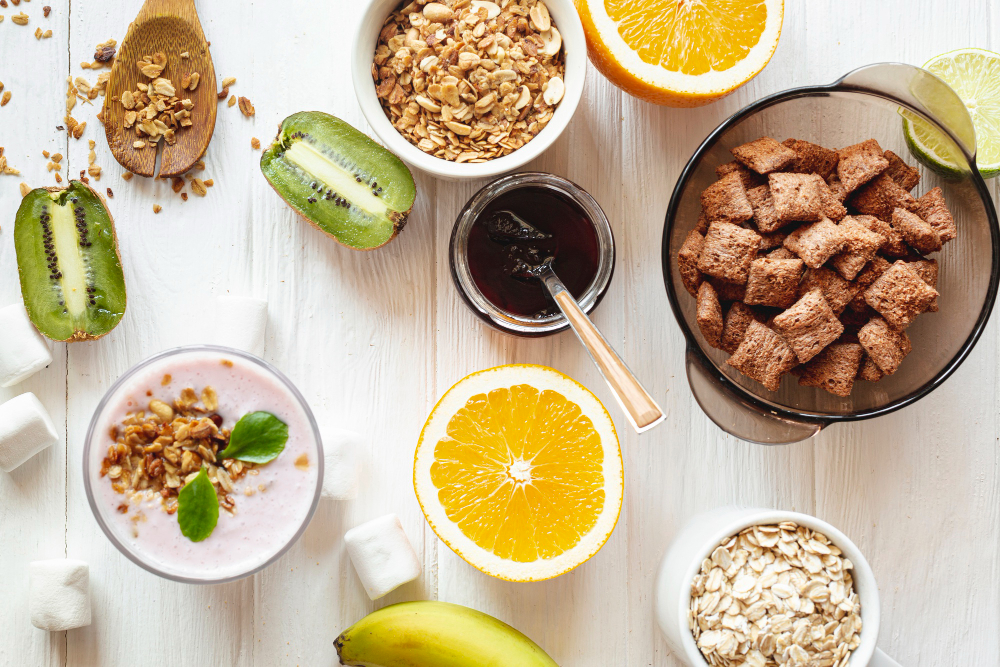
The good news is that your gut is resilient. You do not need extreme detoxes or restrictive diets to recover. What matters most is how you respond in the next 24 to 72 hours. Start by rehydrating. Water helps your digestive system process what you have eaten and supports overall gut function. Adding meals that are rich in fiber is equally important. Foods like vegetables, fruits, legumes, and whole grains help feed beneficial bacteria and restore balance.
It is also helpful to reintroduce fermented foods such as yogurt, kefir, sauerkraut, or kimchi. These contain natural probiotics that can support your microbiome.

Consistency plays a bigger role than perfection. Getting back to regular meal timing and balanced nutrition signals stability to your gut, which helps it recover faster.
Probiotics can also be a useful tool when your gut feels out of balance. They introduce beneficial bacteria that can help restore microbial diversity and support digestion. However, not all probiotics are the same. The effectiveness depends on the strains used and how well they survive the digestive process.
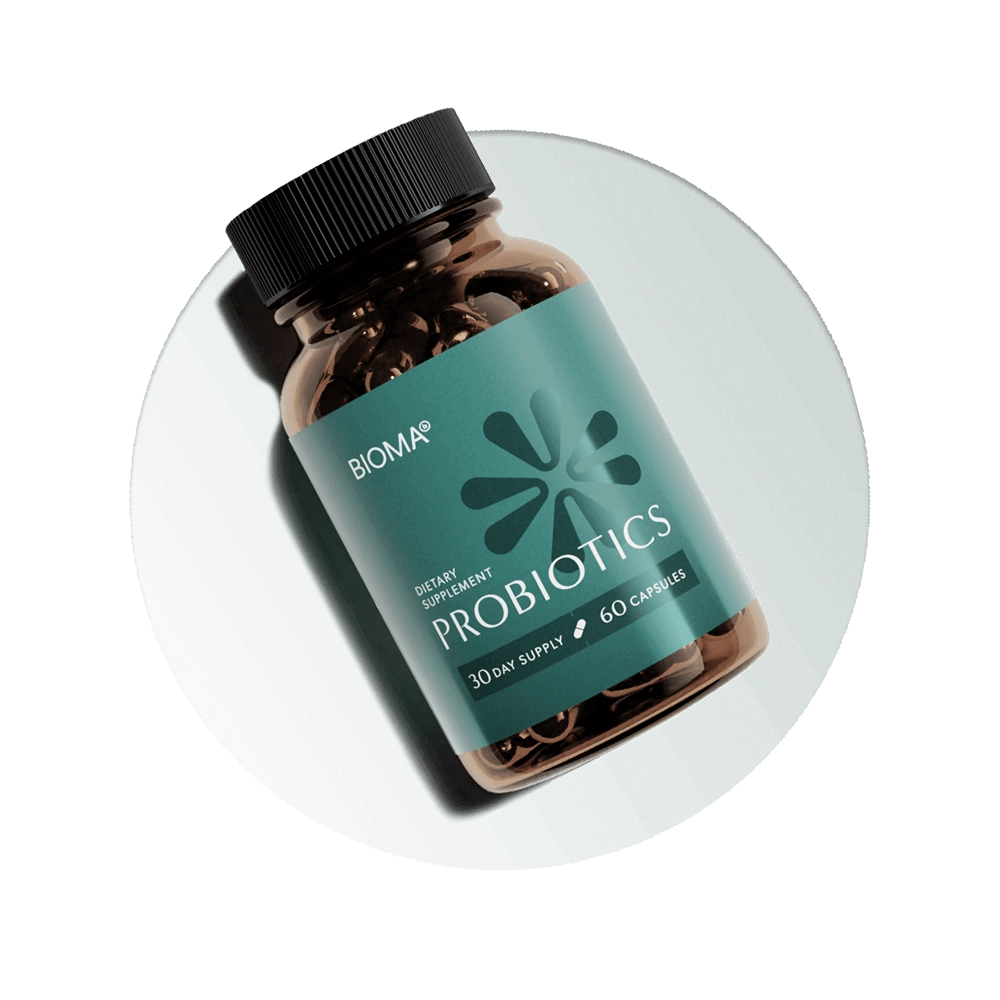
Targeted probiotic formulas, such as our probiotics, are designed to support gut health more strategically. They combine specific bacterial strains with prebiotics that help those bacteria grow and function effectively. This kind of approach can support digestion, reduce bloating, and help rebalance your microbiome after periods of poor eating. While probiotics are not a magic fix, they can complement a gut-friendly diet and make the recovery process smoother.
A Smarter Way to Fix Gut Health Long-Term
A single weekend will not ruin your gut health, but repeated patterns can create long-term imbalance. The key is to avoid the cycle of restriction and overindulgence. Instead of trying to be perfect, focus on building a diverse and consistent diet. The more variety of whole foods you eat, the more diverse your gut microbiome becomes. This diversity is strongly linked to better digestion, stronger immunity, and overall health. It is also important to recognize that occasional indulgence is normal. Your gut is designed to handle variation. What matters is your baseline, not one weekend.
How Your Body Signals Gut Imbalance
After a junk food weekend, your body often gives subtle signals that your gut is still recovering. These signs can help you understand what your body needs.
| Symptom | What It May Indicate |
| Bloating | Temporary imbalance in gut bacteria |
| Sugar cravings | Microbes adapting to high sugar intake |
| Irregular digestion | Disrupted gut motility |
| Low energy | Inflammation and poor nutrient absorption |
These signals are not something to panic about. They are simply feedback. When you respond with supportive habits, your gut usually recalibrates quickly.
So What Happens to Your Gut?
Your gut is more responsive than you think. Even a short period of junk food can shift your microbiome, affect digestion, and leave you feeling off. The solution is not to overcorrect, but to rebalance. Hydration, fiber-rich foods, and consistent eating patterns can help restore your gut naturally. Probiotics can also play a supportive role when used thoughtfully. Most importantly, focus on what you do next. Your gut is always adapting, and with the right inputs, it can recover faster than you expect.


Related articles

Less gut discomfort. More freedom to enjoy life.
Take our 1-min quiz to find out your gut type and get personalized advice and probiotics to relieve constipation, bloating, and other digestive issues.


