Appetite Control Starts in the Gut, Not Your Brain


You feel hungry, even after eating. You crave sugar in the afternoon, or feel like you need something to keep going, even when you logically know you should not be hungry. Most people assume this is a lack of discipline, but in reality, appetite control is not just about willpower.
Your hunger signals are regulated by a complex system involving your gut, hormones, and energy balance. When this system is stable, appetite feels predictable and manageable. When it is not, you can feel constantly hungry, even when your body has had enough food. Appetite is not just a mental signal, it is a biological response shaped by your gut, hormones, and daily habits.

Why Appetite Control Isn’t Just About Willpower
Most people think appetite control is about discipline, but this overlooks how the body actually works. Hunger is regulated by hormones such as ghrelin, which signals hunger, and leptin, which signals fullness. These signals are influenced by your gut, your diet, and your overall metabolic state.
When these systems are balanced, your hunger feels stable and predictable. When they are disrupted, your body sends stronger or more frequent hunger signals, even if you have eaten enough. This is why simply trying to “eat less” often does not work. Appetite is regulated biologically, not just mentally, which is why willpower alone is rarely enough.
The Gut–Brain Axis: How Your Gut Controls Hunger Signals
Your gut and brain are constantly communicating through what is known as the gut–brain axis. This system allows your digestive system to send signals about hunger, fullness, and nutrient status directly to your brain. The gut microbiome plays a major role in this process. Certain bacteria can influence appetite by affecting hormone production and even cravings. This is why some people experience persistent cravings that feel difficult to control. When the microbiome is balanced, these signals are more stable. When it is not, appetite can become unpredictable. Your gut does not just process food, it helps regulate how hungry or satisfied you feel.
Why You Feel Hungry Even After Eating
Feeling hungry after eating is often a sign that something in your system is not balanced. One of the most common causes is unstable blood sugar. Meals that are low in protein or fiber can lead to quick energy spikes followed by crashes, which trigger hunger again.
Another factor is digestion. If your body is not properly breaking down and absorbing nutrients, it may continue signaling hunger because it is not getting what it needs. This can happen even if you are eating enough food.
Gut imbalance can also play a role. When certain bacteria dominate, they can influence cravings and make you feel hungry more often. Hunger is not always about how much you eat, but how well your body processes and uses that food.

Appetite Control and Weight Loss: What Actually Works
Appetite control is one of the most important factors in sustainable weight loss, yet it is often misunderstood. Many approaches focus on restriction and calorie reduction, which can work short term but rarely last. The reason is simple: when your hunger signals are not stable, your body will eventually push back, making it harder to maintain consistency.
A more effective approach is to focus on stabilizing the systems that regulate appetite, not just reducing intake. This includes eating balanced meals with protein, fiber, and healthy fats, which help maintain steady energy levels. It also means avoiding patterns that cause blood sugar spikes and crashes, one of the main triggers for increased hunger and cravings.
When your body receives consistent and sufficient nourishment, it begins to regulate hunger more efficiently. You feel full for longer, experience fewer cravings, and are less likely to overeat without needing strict control. Weight loss becomes more sustainable when it is driven by stable energy, proper digestion, and regulated appetite, rather than forced restriction.
Appetite Control Supplements: Do You Need Them?
Many appetite control supplements promise quick results, but most do not address the underlying cause. While some ingredients may temporarily reduce hunger, they often do not improve how your system regulates appetite long term.
The more effective approach is to support the systems that control hunger. This includes digestion, blood sugar balance, and gut health. Supplements can play a role here, but only when they support these foundations. For example, probiotics for weight loss can help support gut balance, which may reduce cravings and improve appetite regulation over time. The goal is not to suppress hunger, but to improve how your body manages it.

The Gut Factor: Why Your Microbiome Drives Cravings
Your microbiome does more than support digestion. It can influence the types of foods you crave and how often you feel hungry. Certain bacteria thrive on sugar and can drive cravings that reinforce their growth. This creates a feedback loop where cravings lead to food choices that further imbalance the gut. Over time, this makes appetite harder to control and increases the likelihood of overeating.
Supporting your gut can help break this cycle. Improving diet quality and using targeted support like probiotics can help shift your microbiome toward a more balanced state. When your gut is more stable, your cravings and appetite signals become more predictable.
How to Control Your Appetite Naturally (Without Restriction)
Controlling your appetite naturally starts with creating stability in your daily habits. This includes eating meals that provide enough protein, fiber, and nutrients to keep your energy steady. Consistency is also important. Regular eating patterns help your body anticipate when it will receive food, which reduces unnecessary hunger signals. At the same time, supporting digestion allows your body to properly absorb nutrients, which improves satiety. Over time, these changes make appetite easier to manage without forcing restriction. When your system is stable, controlling your appetite becomes a natural result, not a constant effort.
Appetite Is a Biological Signal, Not a Weakness
Feeling hungry is not a flaw, it is a signal. The key is understanding what your body is trying to tell you and addressing the underlying cause. When you focus on supporting your gut, stabilizing your energy, and improving your daily habits, appetite becomes more predictable and easier to manage. Instead of fighting hunger, you begin to work with your body. Appetite control is not about ignoring hunger, but about fixing the system that regulates it.



Related articles



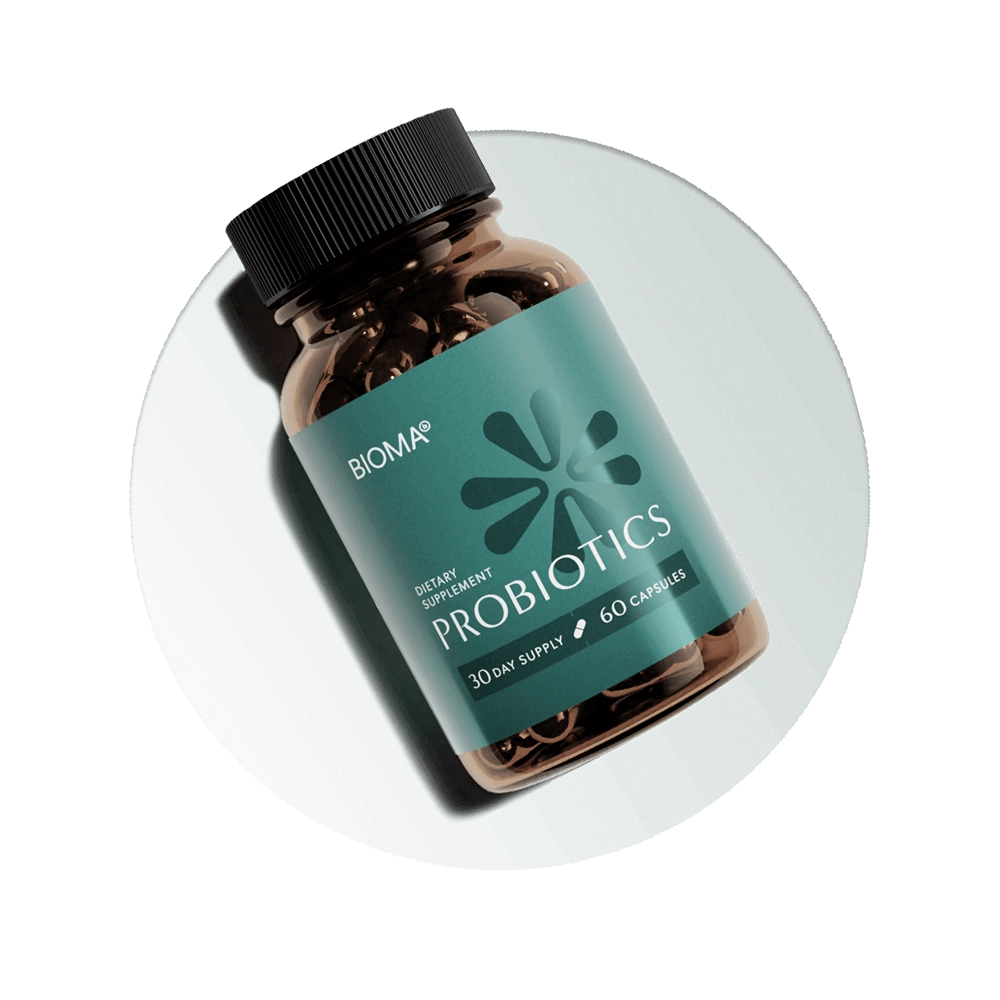
Less gut discomfort. More freedom to enjoy life.
Take our 1-min quiz to find out your gut type and get personalized advice and probiotics to relieve constipation, bloating, and other digestive issues.


