Eating Late vs Gut Health: What Actually Matters


Eating late at night has been labeled as one of the worst habits for your health. You have probably heard that it leads to weight gain, poor digestion, or even disrupted sleep. While there is some truth behind these claims, the reality is more complex than simply blaming the clock. The impact of eating late depends on what you eat, how much you eat, and how your body processes it, not just the time itself. For some people, late meals cause noticeable discomfort, while for others, they may not have a significant effect. Understanding the difference is key to making better decisions for your gut and overall health. Eating late is not automatically harmful, but in the wrong context, it can disrupt digestion, sleep, and metabolic balance.

Is Eating Late at Night Actually Bad for You?
Eating late at night is often labeled as unhealthy, but the timing alone is not the main issue. Your body is capable of digesting food in the evening, and for many people with different schedules, late meals are sometimes unavoidable. What matters more is how your body processes that food in the context of your overall routine, meal quality, and metabolic state.
Your body operates on a circadian rhythm, which influences when different systems are most active. During the day, digestion, enzyme production, and gut motility are naturally more efficient. As evening approaches, your body begins to shift toward recovery, meaning digestion slows down, and metabolic activity becomes less optimized for processing large or complex meals.
This does not mean you cannot eat at night, but it does mean that large, heavy, or highly processed meals are more likely to cause discomfort, slower digestion, and reduced efficiency in how nutrients are handled. Eating too close to bedtime can also extend digestive activity into a period when your body is trying to rest, which may affect both gut function and sleep quality.
Another important factor is consistency. Irregular eating patterns, especially late at night, can disrupt your internal rhythm and affect how your body anticipates and processes food. Over time, this can lead to less stable digestion, increased hunger signals, and reduced metabolic flexibility. Eating late becomes problematic not because of the clock itself, but when it consistently goes against your body’s natural rhythm and creates unnecessary stress on digestion and recovery.
Does Eating Late Cause Weight Gain or Belly Fat?
The idea that eating late directly causes weight gain is a common misconception. Weight gain is primarily driven by overall calorie intake and energy balance, not just when you eat. However, timing can influence behavior in ways that indirectly affect weight.
Late-night eating is often associated with higher calorie intake, snacking, and less mindful food choices. People are more likely to consume processed or high-sugar foods in the evening, which can lead to excess energy intake. Over time, this pattern contributes to weight gain.
There is also a metabolic component. At night, your body may be slightly less efficient at handling glucose, which can affect how energy is stored. Eating late does not automatically cause weight gain, but it often creates conditions that make it more likely.
What Eating Late Does to Your Gut
Your gut follows a daily rhythm, just like the rest of your body. During the day, digestion is more active and efficient. At night, your gut begins to slow down, preparing for rest and repair.
When you eat late, especially large or heavy meals, your digestive system has to stay active longer than it is designed to. This can lead to slower digestion, bloating, and discomfort, particularly if you go to sleep shortly after eating.
Late eating can also affect your gut microbiome. Your gut bacteria operate on a schedule, and irregular eating patterns can disrupt this balance. Over time, this may lead to less efficient digestion and increased gut stress, especially if late eating becomes a consistent habit.

Does Eating Late Affect Sleep Quality?
Eating close to bedtime can have a noticeable impact on sleep, especially when meals are large or difficult to digest. When you eat, your body activates the digestive system, increasing metabolic activity at a time when it is supposed to be slowing down. This means your body remains in a more “active” state instead of fully transitioning into rest, which can make it harder to fall asleep or reach deeper sleep stages.
One of the most common issues is physical discomfort. Heavy meals, particularly those high in fat or processed ingredients, can increase the risk of acid reflux, bloating, and digestive strain, all of which can interrupt sleep. Even if you fall asleep, your body may continue working to digest food, which can reduce the quality of recovery during the night.
There is also a hormonal aspect to consider. Sleep plays a key role in regulating hormones that control appetite and metabolism, including leptin, ghrelin, and cortisol. When sleep is disrupted, these signals become less stable, which can lead to increased hunger, stronger cravings, and lower energy the next day.
Over time, this creates a cycle. Eating late can interfere with sleep, and poor sleep can then affect digestion, appetite, and energy regulation. The issue is not just the timing of the meal, but how it interferes with your body’s ability to fully rest, recover, and regulate key metabolic processes.
When Eating Late Is Actually Not a Problem
Eating late is not always harmful, especially when the context is right. If your meal is light, balanced, and easy to digest, your body can usually handle it without major issues. This is particularly true for people with later schedules or different daily routines.
The type of food matters more than the timing alone. Nutrient-dense meals with protein, fiber, and healthy fats are less likely to cause energy spikes or digestive discomfort compared to processed snacks.
Consistency is also important. If your body is used to a certain eating pattern, it can adapt more effectively. Late eating becomes less problematic when it is structured, balanced, and aligned with your routine.
How to Stop Eating Late at Night (Without Restriction)
For many people, late eating is not driven by hunger, but by habits, stress, or energy crashes. This is why simply trying to “stop” often does not work. Instead, the focus should be on understanding what is driving the behavior.
One of the most effective strategies is improving your earlier meals. When your meals are balanced and provide enough nutrients, your body is less likely to signal hunger later in the evening. This helps reduce the need for late-night snacking.
Creating a consistent routine also plays a role. Regular meal timing, better sleep patterns, and managing stress can reduce unnecessary hunger signals. Late eating often disappears naturally when your overall system becomes more stable.
The Gut Factor: Why Timing Still Matters
Your gut is influenced not just by what you eat, but also by when you eat. Your microbiome follows a circadian rhythm, meaning it responds to regular patterns of feeding and fasting. Irregular eating, especially late at night, can disrupt this rhythm and affect how efficiently your gut functions. Over time, this may lead to imbalances in gut bacteria, digestion issues, and reduced metabolic efficiency.
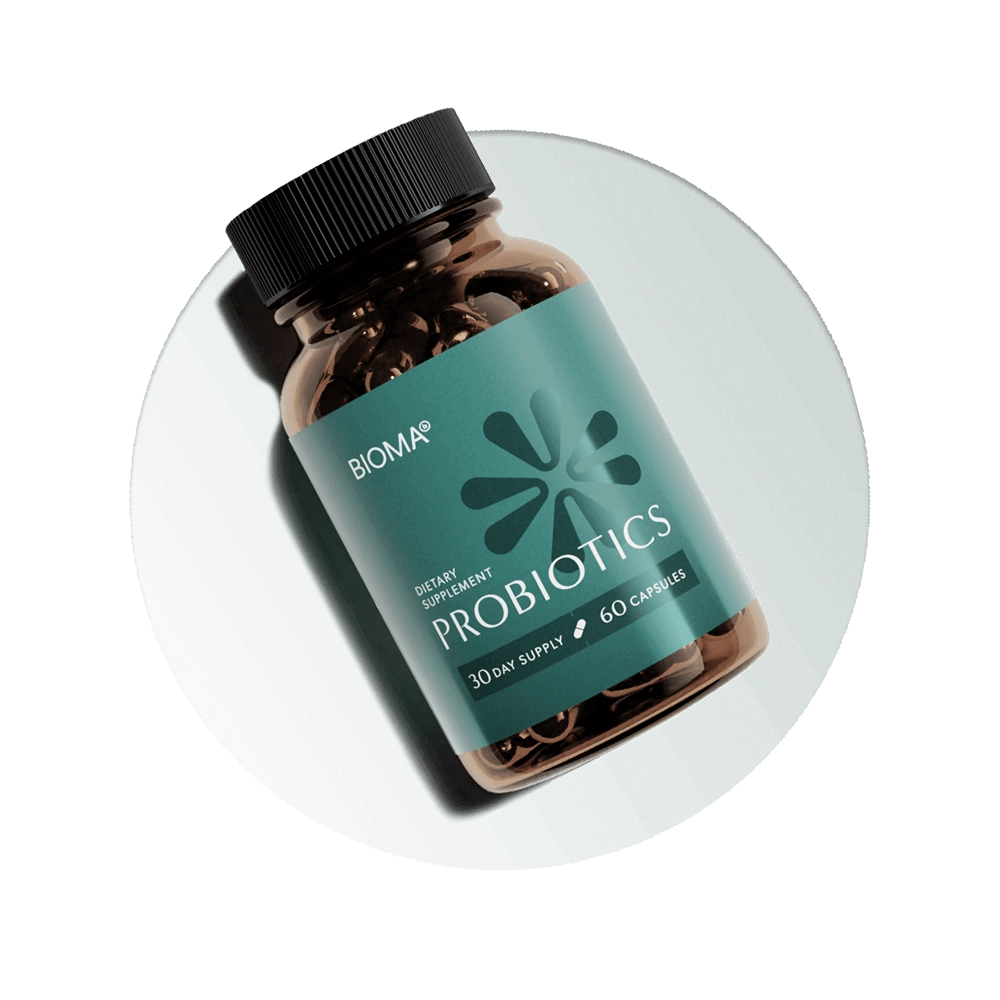
Supporting your gut can help stabilize this system. Improving meal timing, choosing easier-to-digest foods, and supporting your microbiome with targeted solutions like our probiotics can help maintain balance. When your gut is more stable, your body handles food more efficiently, regardless of timing.

Is Your Late Eating Affecting Your Gut? Take the quiz!
1. When do you usually eat your last meal?
2. How do you feel after eating late?
3. How is your sleep?
It’s Not Just When You Eat
Eating late is not inherently bad, but it can become a problem depending on your habits and your body’s response. The key is understanding how your system reacts, rather than following strict rules. When your meals are balanced, your routine is consistent, and your gut is supported, your body becomes more flexible. This makes it easier to maintain both digestion and energy, regardless of timing. What matters most is not the clock, but how well your overall system is functioning.


Related articles


Less gut discomfort. More freedom to enjoy life.
Take our 1-min quiz to find out your gut type and get personalized advice and probiotics to relieve constipation, bloating, and other digestive issues.


