The Real Anti-Inflammatory Diet (Backed by Science)

Inflammation is not always a bad thing. In fact, it is a natural and necessary response that helps your body heal and protect itself. The problem begins when this response becomes chronic, meaning it stays active even when there is no immediate threat. Research shows that chronic inflammation is linked to conditions such as metabolic disorders, cardiovascular disease, and digestive issues. What makes it especially important is that diet plays a direct role in regulating inflammatory pathways, particularly through its impact on the gut microbiome and immune signaling. The core principle is simple: reduce triggers of inflammation while supporting the systems that regulate it, especially your gut.

Anti-Inflammatory Diet and Weight Loss
Weight loss is often associated with anti-inflammatory diets, but not in the way most people expect. The goal is not rapid weight reduction, but creating metabolic stability that naturally leads to better weight regulation. Inflammation is closely linked to insulin resistance, which affects how your body stores and uses energy. When inflammation is reduced, insulin sensitivity often improves, making it easier for your body to maintain stable blood sugar levels. This directly influences hunger, cravings, and energy balance.
Another important factor is satiety. Anti-inflammatory foods are typically rich in fiber, healthy fats, and micronutrients. These nutrients help regulate hormones like leptin and ghrelin, which control hunger and fullness. As a result, you feel satisfied for longer and are less likely to experience energy crashes and sugar cravings. This is why anti-inflammatory diets support weight loss indirectly. Instead of forcing restriction, they create conditions where your body functions more efficiently.
Anti-Inflammatory Diet Supplements: Do You Need Them?
Supplements can support an anti-inflammatory diet, but they are not a replacement for it. The strongest evidence still points to whole foods as the primary driver of reduced inflammation. That said, certain supplements have been studied for their role in inflammation. Omega-3 fatty acids, for example, have been shown to reduce inflammatory markers and support cardiovascular health (Calder, 2015). Vitamin D also plays a role in immune regulation, particularly in individuals with deficiencies. Polyphenols, found in plant-based compounds, are another important group. They support antioxidant activity and help reduce oxidative stress, which is closely linked to inflammation. Supplements can enhance a strong foundation, but they cannot replace it.
Where Probiotics Fit Into an Anti-Inflammatory Diet
One of the most important regulators of inflammation is your gut microbiome. The bacteria in your gut interact directly with your immune system, influencing how your body responds to potential threats. When your microbiome is balanced, it helps maintain the integrity of your gut lining and reduces the likelihood of inflammatory signals entering your bloodstream. When it is imbalanced, this barrier weakens, which can lead to increased inflammation.
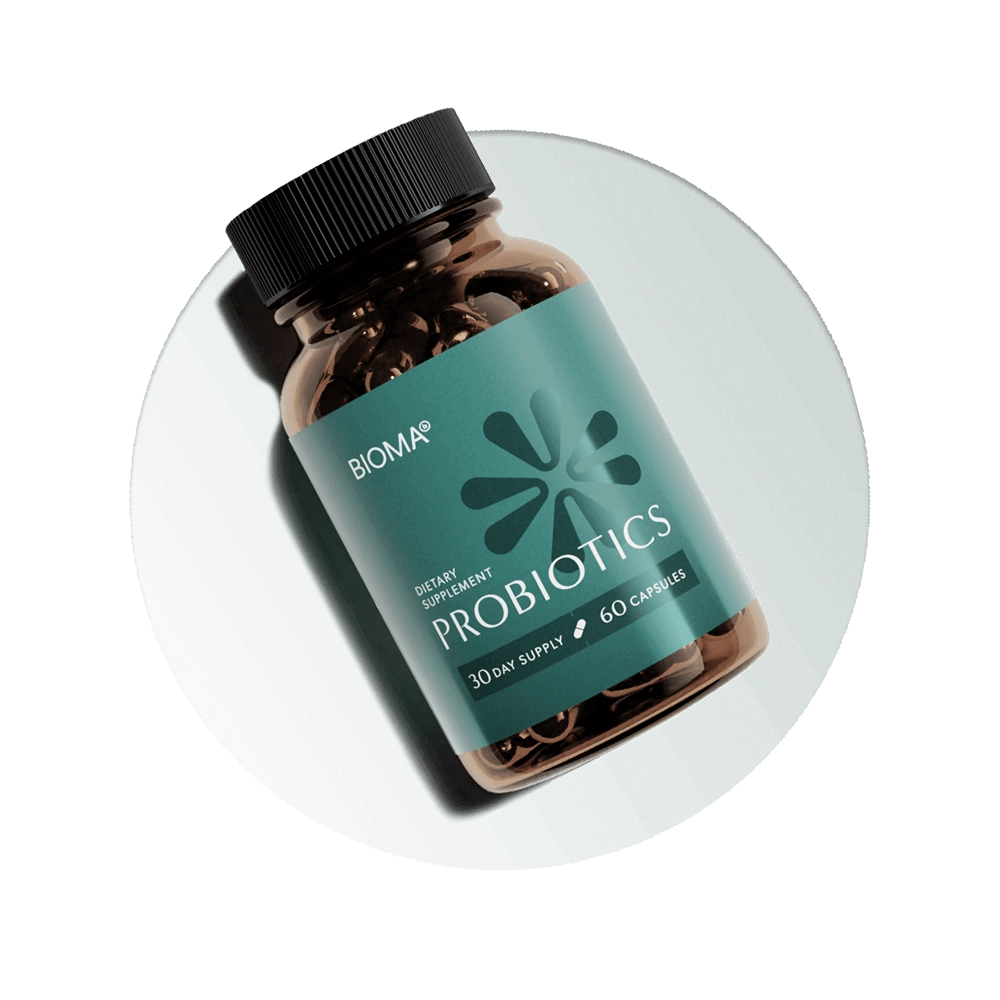
Probiotics can support this balance by introducing beneficial bacteria and helping regulate the gut environment. Research suggests that certain strains may reduce inflammation by improving gut barrier function and lowering endotoxin levels (Sanders et al., 2019). This is where targeted solutions like Bioma probiotics fit in. We designed them to support microbiome balance and digestion, which helps reduce the underlying drivers of inflammation rather than just addressing symptoms.

How the Gut Microbiome Regulates Inflammation
The gut microbiome plays a central role in controlling inflammation through several mechanisms. One of the most important is the gut barrier, which acts as a filter between your digestive system and the rest of your body. When this barrier is functioning properly, it prevents harmful compounds from entering the bloodstream. When it is compromised, substances like lipopolysaccharides (LPS) can pass through, triggering immune responses and increasing inflammation. The microbiome also influences the production of short-chain fatty acids (SCFAs), which have anti-inflammatory properties. These compounds help regulate immune activity and maintain gut health. A balanced microbiome does not just support digestion, it actively controls how your body responds to inflammation.
The Anti-Inflammatory Diet Food List
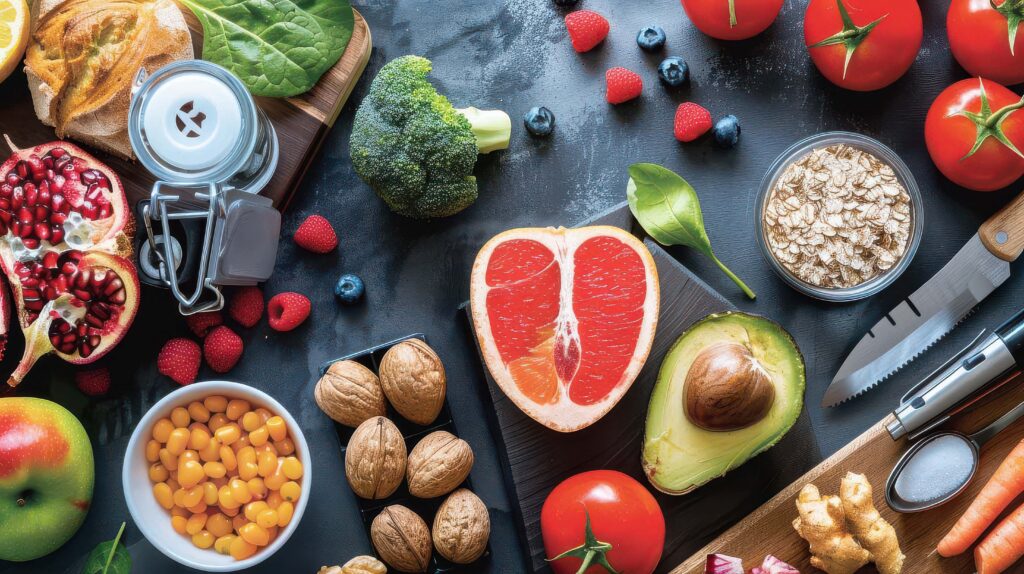
An anti-inflammatory diet is best understood as a pattern of eating built around specific food groups that consistently reduce inflammatory signaling in the body. Research shows that diets rich in whole, minimally processed foods, especially plants, healthy fats, and fiber, are associated with lower levels of inflammatory markers such as C-reactive protein (CRP) and interleukin-6 (IL-6) ( Estruch et al., 2018).
At a biological level, these foods work through several key mechanisms. High-fiber foods support the production of short-chain fatty acids (SCFAs) in the gut, which help regulate immune responses and reduce inflammation. Healthy fats, particularly omega-3 fatty acids found in foods like fatty fish and nuts, are known to actively counteract pro-inflammatory pathways. In addition, plant-based foods provide polyphenols and antioxidants that help reduce oxidative stress, one of the core drivers of chronic inflammation. Rather than focusing on individual foods, the strongest evidence supports emphasizing a combination of:
- Fiber-rich plant foods like vegetables, fruits, legumes, and whole grains
- Healthy fats such as olive oil, nuts, seeds, and fatty fish
- Fermented foods that support gut microbiome balance
At the same time, limiting ultra-processed foods, refined sugars, and trans fats is equally important, as these are consistently linked to increased inflammatory activity. The most effective anti-inflammatory diet is not about single ingredients, but about consistently combining foods that support gut health, metabolic stability, and immune balance.
Build Your Anti-Inflammatory Plate
An anti-inflammatory meal is not defined by a single ingredient, but by how different food groups work together. Research consistently shows that combining high-quality protein, fiber-rich carbohydrates, healthy fats, and plant diversity helps regulate blood sugar, support the gut microbiome, and reduce inflammatory markers (Calder et al., 2017).
From a physiological perspective, fiber supports gut bacteria and the production of short-chain fatty acids, while healthy fats such as omega-3s help modulate inflammatory pathways. At the same time, minimizing processed ingredients reduces exposure to compounds that can trigger inflammation. This simple tool helps you evaluate how balanced your plate is based on these principles.
Protein:
Fiber (Carbs):
Healthy Fats:
Colorful Plants (Antioxidants):
The Best Anti-Inflammatory Diet Is Consistent
An anti-inflammatory diet is not about perfection or restriction. It is about building a consistent pattern that supports your body’s natural systems. When you focus on whole foods, gut health, and metabolic stability, your body becomes more efficient at regulating inflammation. Over time, this leads to better energy, improved digestion, and a more balanced internal state. The most powerful change is not a single food, but a consistent pattern your body can rely on.



Related articles


Less gut discomfort. More freedom to enjoy life.
Take our 1-min quiz to find out your gut type and get personalized advice and probiotics to relieve constipation, bloating, and other digestive issues.


