Why Feminine Odor Changes Over Time

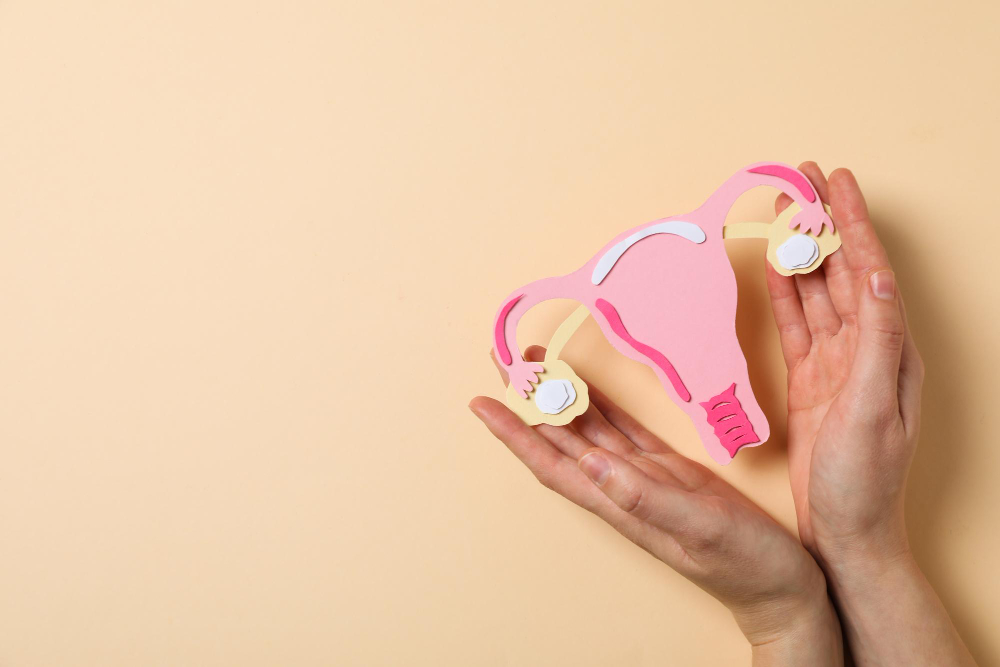
It is one of those topics most women notice but few talk about openly. At some point, something shifts. The scent you have known your whole adult life changes, subtly or not so subtly, and you are not sure whether to be concerned, embarrassed, or simply curious about why it is happening.
The answer, it turns out, is rooted in biology. Feminine odor is not arbitrary. It is a direct reflection of your internal hormonal and microbial environment, and it changes because that environment changes, throughout your cycle, across the decades, and in response to your lifestyle. Understanding why takes away the mystery and, for most women, a significant amount of unnecessary anxiety.
The Vaginal Microbiome Is the Starting Point
Most people are aware that the gut has a microbiome. Fewer realize that the vagina has one too, and that it is just as dynamic and just as consequential for health.
A healthy vaginal microbiome is dominated by Lactobacillus species, bacteria that produce lactic acid and keep the vaginal pH low, typically between 3.8 and 4.5. This acidic environment is protective. It suppresses the growth of harmful bacteria and pathogens, maintains tissue integrity, and produces a characteristic scent that is mildly acidic and essentially neutral to most people.
When the balance of this ecosystem shifts, whether through hormonal changes, antibiotics, sexual activity, diet, or stress, the pH rises, different bacteria move in, and the odor changes. This is the core mechanism behind almost every change in feminine scent that women experience across their lives.
Hormones Drive the Biggest Shifts
During the Menstrual Cycle
Throughout the monthly cycle, estrogen and progesterone fluctuate significantly, and the vaginal environment shifts with them. Around ovulation, estrogen peaks, cervical mucus increases, and many women notice a subtly different scent during this window. In the days before and during menstruation, the pH temporarily rises as blood, which is alkaline, enters the vaginal environment. This is why a mild change in odor during your period is completely normal and has nothing to do with hygiene.
During Pregnancy
Pregnancy brings sustained hormonal shifts that increase vaginal discharge and alter the microbial balance. Estrogen surges stimulate glycogen production in vaginal cells, which feeds Lactobacillus bacteria and can actually strengthen the protective microbiome in some women. Odor changes during pregnancy are common and in most cases are simply a reflection of these amplified biological processes.
During Perimenopause and Menopause
This is where the most significant and lasting changes tend to occur. As estrogen declines in the lead-up to menopause, the vaginal tissue becomes thinner, less elastic, and produces less natural lubrication. Critically, lower estrogen means less glycogen in vaginal cells, which means less fuel for Lactobacillus. The protective bacteria decline, the vaginal pH rises, and the microbial community becomes more diverse in ways that are not always beneficial.
This shift, known as vaginal atrophy or genitourinary syndrome of menopause, is experienced by a significant proportion of women over 45. It commonly presents as dryness, discomfort, and a noticeable change in odor. Because estrogen is no longer maintaining the acidic environment, the vaginal ecosystem becomes more vulnerable to imbalance, and the characteristic scent changes accordingly.

When Odor Signals Something Specific
Not every change in scent requires a doctor’s visit, but some patterns are worth knowing.
A strong fishy odor, particularly after sex, is the most common signal of bacterial vaginosis, an overgrowth of certain bacteria that occurs when the vaginal pH rises and Lactobacillus populations fall. BV is extremely common, affecting roughly one in three women at some point, and it is not an infection in the traditional sense. It is a microbial imbalance, and it responds well to treatment.
A yeasty, bread-like scent accompanied by thick discharge and itching typically points to a yeast overgrowth, most often Candida. Again, this is a shift in the internal ecosystem rather than something introduced from outside.
A sharp, ammonia-like odor is often related to diet, dehydration, or hormonal changes that affect urine concentration and can create overlap with vaginal scent.
Any sudden, strong, or unusual odor accompanied by pain, unusual discharge, or other symptoms warrants a conversation with a healthcare provider.
What Disrupts the Vaginal Microbiome
Beyond hormones, several everyday factors can shift the vaginal ecosystem and change odor in ways that are entirely preventable.
Antibiotics are one of the most significant disruptors. They do not discriminate between harmful bacteria and the protective Lactobacillus species, which is why antibiotic courses are so commonly followed by yeast infections or BV.
Douching is another. Despite being marketed for freshness, douching consistently disrupts the vaginal microbiome, raises pH, and increases the risk of the very imbalances that cause odor in the first place. The vagina is self-cleaning. It does not need, and is actively harmed by, internal washing.
Diet plays a role too. High sugar intake can fuel Candida overgrowth. Certain foods, particularly pungent ones like garlic and asparagus, can temporarily influence vaginal scent through metabolites excreted in bodily fluids. Hydration, overall gut health, and even stress levels all have downstream effects on the vaginal environment.
The Gut-Vaginal Axis
This is an area of growing research that most women have never heard of, and it is worth understanding. The gut and vaginal microbiomes are not isolated systems. They communicate and influence each other through shared bacterial populations, immune signaling, and hormonal pathways.
Women with a healthy, diverse gut microbiome tend to have more stable vaginal microbiomes. Disruptions in the gut, whether from poor diet, antibiotics, stress, or illness, can ripple outward and affect vaginal bacterial balance. This is one reason why approaches to vaginal health that focus solely on topical interventions often fall short. The root of the imbalance is sometimes further upstream.
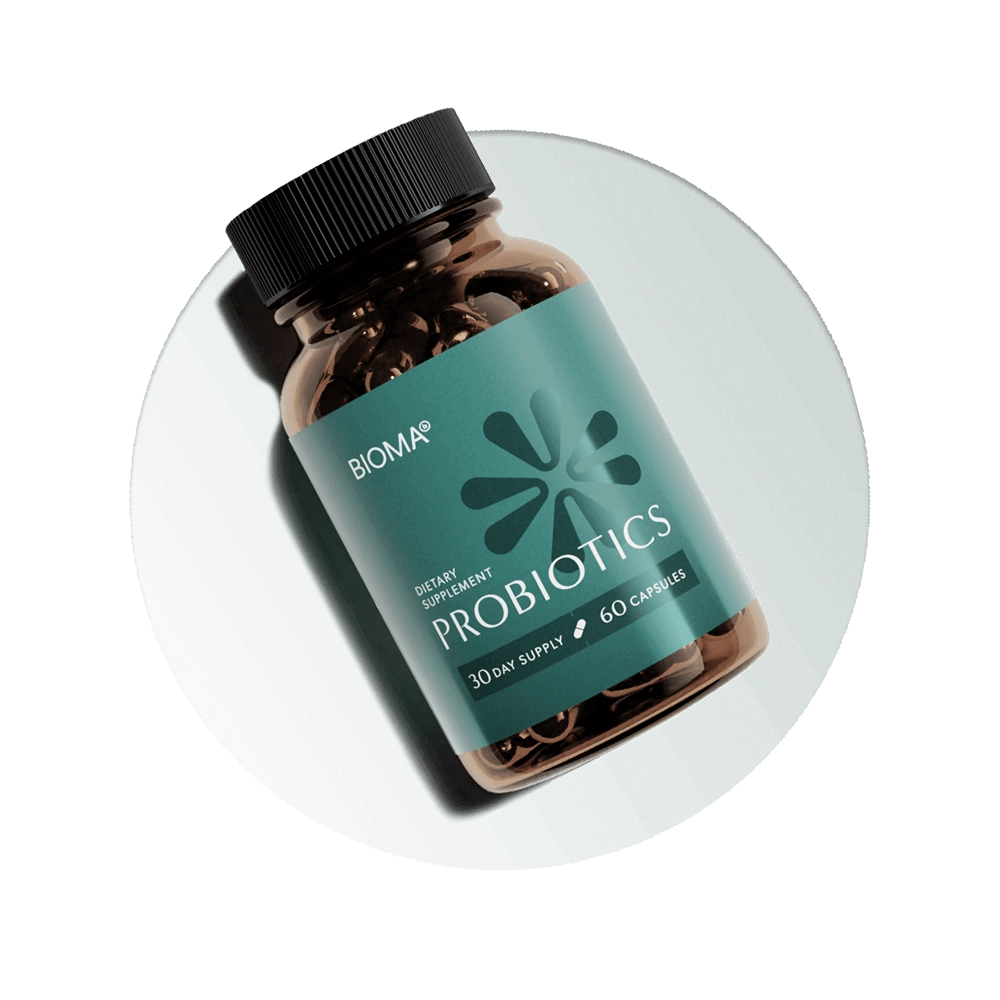
This is where Bioma’s Feminine Health Synbiotics come in. Unlike standard probiotics, a synbiotic combines specific probiotic strains with prebiotic fiber that nourishes those strains and helps them colonize effectively. Bioma’s formula includes Lactobacillus strains specifically selected to support vaginal microbiome balance, working through the gut-vaginal axis to help restore and maintain the acidic environment that keeps the vaginal ecosystem stable. It is designed for women who want to support their vaginal health from the inside, addressing the systemic factors that influence odor and balance rather than masking symptoms at the surface.

What Does Not Work
It is worth being direct about a few things that are heavily marketed but genuinely unhelpful or harmful.
Scented washes, sprays, and wipes applied to or around the vagina disrupt the natural pH and microbiome and typically make odor problems worse over time, not better. The external vulvar area can be gently cleaned with warm water. Nothing more is needed or recommended.
Probiotic supplements that are not specifically formulated with vaginal health in mind may support gut health without meaningfully influencing the vaginal microbiome. Strain specificity matters. Not all probiotics are the same, and generic formulas are not designed for this purpose.
Restrictive diets that eliminate fermented foods and fiber starve the beneficial bacteria that support both gut and vaginal health. The microbiome needs to be fed, not just supplemented.
A Note on Normalcy
It is worth saying plainly: vaginal odor is normal. Every woman has one, and it changes throughout life because the body changes throughout life. The goal is not to eliminate scent or achieve some artificial standard of odorlessness. The goal is to understand your own baseline so that you can recognize when something has genuinely shifted and respond accordingly.
Most changes in feminine odor are not signs of poor hygiene or anything to be ashamed of. They are biological signals from an ecosystem that is doing its job, adapting to hormonal shifts, life stages, and internal conditions. The more fluent you become in reading those signals, the better equipped you are to support your own health.
Sources
- Ravel, J., et al. (2011). Vaginal microbiome of reproductive-age women. PNAS.
- Chen, X., et al. (2021). The vaginal microbiome and its relationship to hormonal changes. Frontiers in Cellular and Infection Microbiology.
- Muhleisen, A.L., & Herbst-Kralovetz, M.M. (2016). Menopause and the vaginal microbiome. Maturitas.
- Macklaim, J.M., et al. (2015). Lactobacillus and vaginal health. Microbiome.

Related articles



Less gut discomfort. More freedom to enjoy life.
Take our 1-min quiz to find out your gut type and get personalized advice and probiotics to relieve constipation, bloating, and other digestive issues.


