Physical Effects of Stress: Common Symptoms and Warning Signs

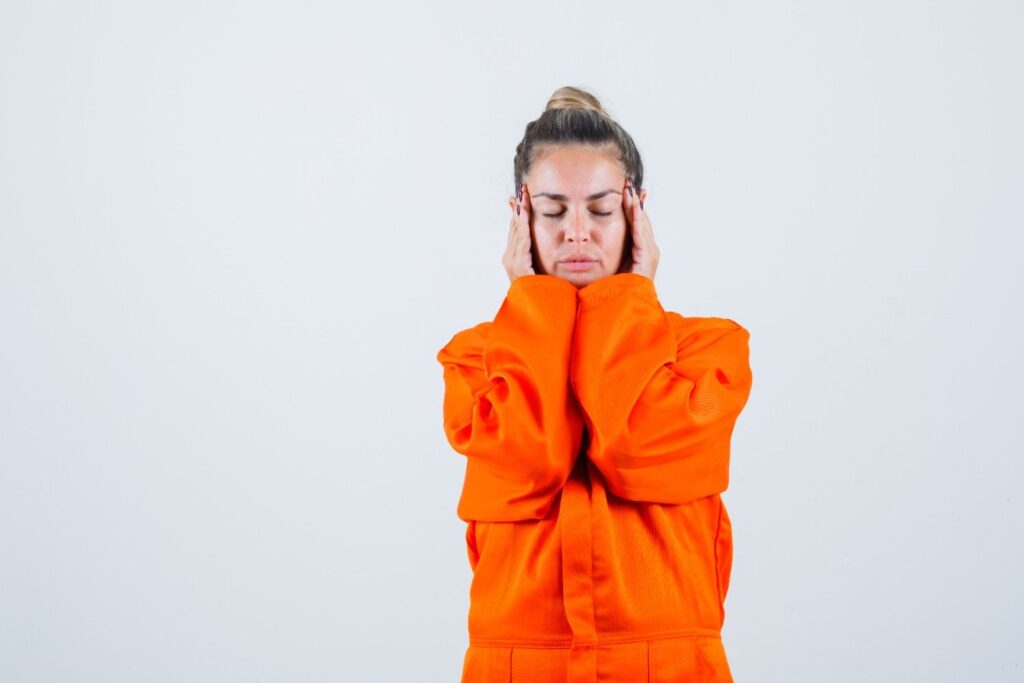
Stress is often treated as a purely mental experience, something happening in your thoughts. Yet your body keeps its own running tally, and it speaks up in ways that are easy to miss or blame on something else. That tension headache, the churning stomach, the nights you cannot switch off, all of it can be stress made physical. Learning to read these signals early is one of the kindest, most protective things you can do for your health. Here is what to watch for.
Why Stress Shows Up in Your Body
To understand the physical effects of stress, it helps to know what is happening beneath the surface. When your brain senses a threat, it releases cortisol and adrenaline, priming you to fight or flee. That response is brilliant in a genuine emergency. The trouble comes when it never switches off. With modern pressures keeping the alarm running for weeks or months, those same helpful hormones begin to wear the body down, and the physical symptoms of stress are the result.

Common Physical Symptoms of Stress
Stress touches nearly every system, which is why its symptoms can feel scattered and confusing. The most common physical signs include:
- Headaches and muscle tension, especially across the neck, shoulders and jaw
- Digestive troubles like stomach aches, bloating, cramps or changes in bathroom habits
- Fatigue and poor sleep, feeling wired yet exhausted at once
- A racing heart or chest tightness during tense moments
- Frequent colds, as ongoing stress quietly lowers your immune defenses
- Skin flare ups such as breakouts or eczema
- Appetite changes and cravings, often for sugary or salty comfort foods
Seeing them listed together can be a relief, because it connects dots that felt unrelated. Wondering how much stress is showing up in your own body? The quick check below can help.
Is Stress Showing Up in Your Body?
5 quick questions, no email needed. See where your body carries it most.
Your Gut Feels Stress First
If there is one place stress announces itself loudest, it is your digestive system, and the reason is the gut-brain axis. This constant two way line between your gut and brain means emotional stress translates directly into physical gut symptoms, from butterflies before a big moment to genuine cramping and bloating during hard weeks. The relationship runs both ways, because stress disrupts your gut bacteria, and an unbalanced microbiome can then amplify anxiety and low mood, since your gut helps produce serotonin and other steadying chemicals. This loop is exactly why supporting your gut can ease the physical toll of stress. Fiber rich foods, fermented foods and gut-brain probiotics help nurture the microbes that keep both your digestion and your mood more resilient.
When Physical Symptoms Come With Emotional Ones
Physical symptoms rarely travel alone, and noticing the emotional signals that accompany them completes the picture. Many women find their physical stress shows up hand in hand with irritability, a shorter fuse, difficulty concentrating or a sense of being constantly on edge. You might feel restless yet unable to focus, or find small decisions suddenly overwhelming. These are not separate problems layered on top of the body symptoms. They are the same stress response expressed through mind and body at once.
Recognizing the pairing is useful, because it stops you from treating each symptom in isolation. Instead of chasing the headache, the sleeplessness and the low mood as three unrelated issues, you can see them as one system asking for recovery. That shift in perspective often makes the path forward feel far more manageable, since a single set of calming habits tends to ease the whole cluster together.
The Physical Effects of Chronic Stress
Short bursts of stress pass without harm, but the long term physical effects of prolonged stress are where real concern lies. When cortisol stays elevated for months, it can contribute to raised blood pressure, disrupted blood sugar, weight changes around the middle, weakened immunity and ongoing digestive issues. Over time, unmanaged chronic stress is linked with a higher risk of serious conditions affecting the heart and metabolism. None of this is meant to frighten you. It is meant to underline that managing stress is not a luxury or an indulgence, it is preventive care for your whole body, and acting early genuinely changes your long term health.
Warning Signs You Should Not Ignore
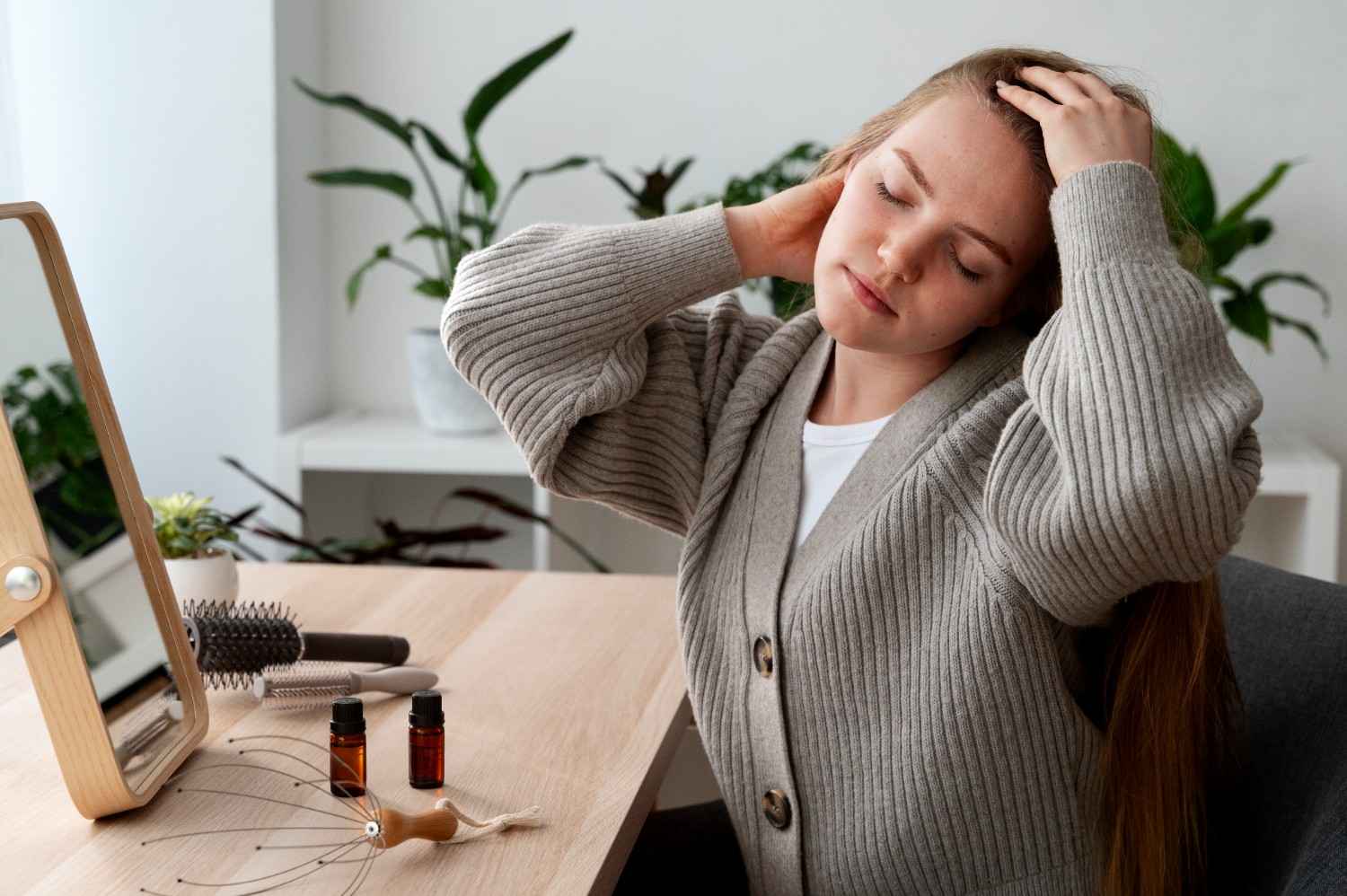
Most stress symptoms ease as you build recovery into your life, yet some deserve prompt medical attention rather than watchful waiting. See a doctor if you experience chest pain, a persistently pounding heart, breathlessness, or physical symptoms severe enough to disrupt daily life. Ongoing digestive problems, unexplained weight changes, or feeling unable to cope also warrant a professional conversation, both to rule out other causes and to get you real support. Reaching out early is a strength, and you never have to push through alone.
Listening to Your Body Is the First Step
The physical effects of stress are your body’s honest feedback, a signal asking for care rather than criticism. When you learn to notice the headaches, the gut flutters and the restless nights for what they often are, you gain the power to respond before they deepen. Prioritize sleep, move your body, breathe slowly, tend your gut and lean on the people around you. These steady habits calm the stress response at its source. Your body has been looking out for you all along by sounding these alarms. Meeting them with kindness is how you begin to feel well again.
Stress and its effects can be a heavy topic, and if any of this feels close to home, please know support is available. A doctor or mental health professional can help you find steady ground, and reaching out is always worth it.
Sources
- Madison, A., et al. (2024). Exploring the complex relationship between psychosocial stress and the gut microbiome: implications for inflammation and immune modulation. Journal of Applied Physiology. https://journals.physiology.org/doi/full/10.1152/japplphysiol.00652.2024
- Gallego-Gómez, J.I., et al. (2023). Mindfulness Practice Reduces Hair Cortisol, Anxiety and Perceived Stress in University Workers: Randomized Clinical Trial. https://pmc.ncbi.nlm.nih.gov/articles/PMC10648523/
- Wankhar, D., et al. (2024). Effect of Meditation, Mindfulness-Based Stress Reduction, and Relaxation Techniques to Reduce Blood Pressure in Cardiac Patients: A Systematic Review and Meta-Analysis. Cureus. https://www.ncbi.nlm.nih.gov/pmc/articles/PMC11099499/



Related articles



Less gut discomfort. More freedom to enjoy life.
Take our 1-min quiz to find out your gut type and get personalized advice and probiotics to relieve constipation, bloating, and other digestive issues.


