Sleepmaxxing: What This Viral Sleep Optimization Trend Gets Right and Wrong About Gut Health

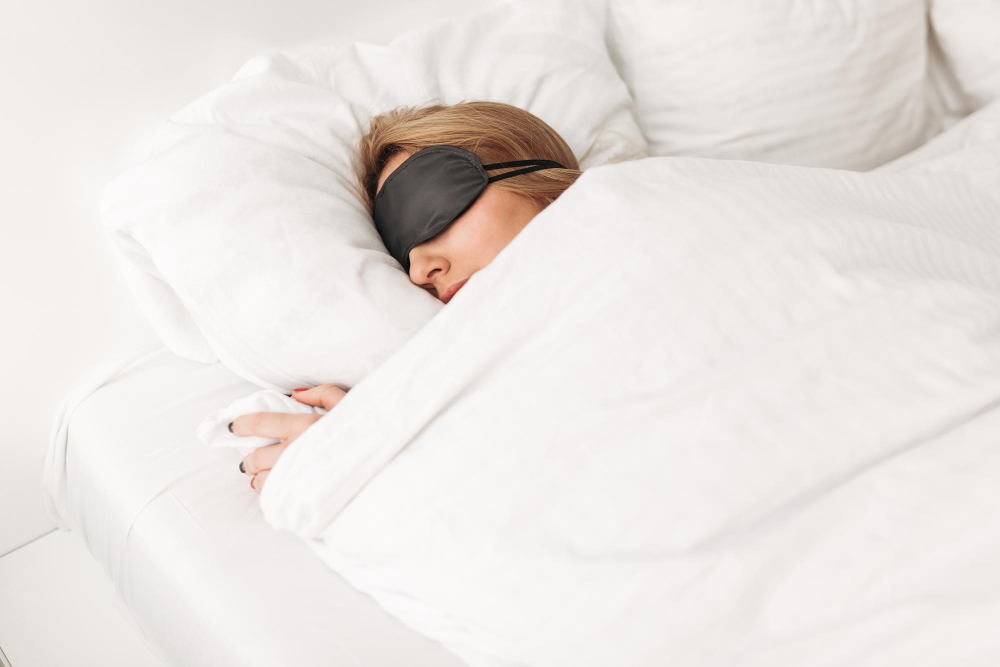
Sleepmaxxing has turned going to bed into a full wellness project. Social media routines now include blackout curtains, mouth tape, magnesium, sleep trackers, temperature control, strict evening schedules, supplements, special pillows, and elaborate wind down rituals, all with one goal: getting the best possible sleep.
The trend gets one important thing right. Sleep deserves attention. Around 30.5% of US adults reported sleeping fewer than seven hours per day in 2024, according to CDC data. The problem starts when useful sleep habits become buried under dozens of hacks that have limited evidence or make people anxious about achieving a perfect sleep score.
Here is what sleepmaxxing actually means, which parts are worth keeping, what the trend gets wrong about gut health, and a practical seven day sleep optimization program you can try without turning bedtime into another source of stress.
What Is Sleepmaxxing?
The sleepmaxxing meaning is fairly simple. It describes the social media trend of trying to maximize sleep quality and duration through routines, products, technology, supplements, and sleep hygiene practices.
Some sleepmaxxing techniques have been recommended by sleep specialists for years. Consistent bedtimes, reducing late caffeine, keeping a bedroom cool and dark, getting daylight exposure, and exercising regularly all appear in established sleep guidance. Other viral techniques, including mouth taping, obsessively monitoring sleep stages, or stacking multiple supplements, have considerably less support.
This creates an unusual wellness trend because sleepmaxxing mixes very sensible habits with interventions that may provide little benefit. The useful skill is learning to separate the two.
Does Sleepmaxxing Work? Here Is What the Trend Gets Right and Wrong
There is no clinical sleepmaxxing protocol, so asking whether sleepmaxxing works depends entirely on which practices you follow. A simple routine built around sleep duration, timing, light exposure, and a comfortable environment has a much stronger foundation than a routine built around gadgets and viral hacks.
| Sleepmaxxing habit | Keep or reconsider? | Why |
| Consistent wake and sleep times | Keep | Supports regular sleep and circadian timing |
| Cool, dark, quiet bedroom | Keep | Recommended in established sleep guidance |
| Morning daylight exposure | Keep | Helps reinforce the sleep wake cycle |
| Limiting late caffeine | Keep | Caffeine can interfere with falling asleep |
| Tracking every sleep stage | Use carefully | Consumer data can become another source of sleep anxiety |
| Mouth taping | Reconsider | Can be risky for some people, especially when breathing problems are present |
| Large supplement stacks | Reconsider | More products do not automatically create better sleep |
| Trying to force perfect sleep | Reconsider | Excessive focus on sleep can make falling asleep harder |
The biggest pitfall of sleepmaxxing is treating sleep like a performance metric. A wearable telling you that you scored 78 instead of 92 does not automatically mean your night was unsuccessful. Sleep naturally varies from one night to another, and anxiety about sleep data can become counterproductive.
What Is the Optimal Amount of Sleep?
For most adults, the starting point is simpler than any viral hack. Adults ages 18 to 60 should generally get at least seven hours of sleep per night, according to the CDC. Adults ages 61 to 64 are generally advised to get seven to nine hours, while adults 65 and older typically need seven to eight hours.
The optimal sleep amount is still individual. Someone may function well at seven and a half hours while another person consistently needs closer to nine. Sleep quality, regularity, health conditions, age, and daytime functioning all matter alongside the number displayed on a sleep tracker.
For people interested in optimal sleep for muscle growth, adequate sleep is particularly relevant because severe sleep loss can affect recovery and muscle protein synthesis. A small controlled study found that one night of total sleep deprivation reduced post meal muscle protein synthesis in healthy young adults, while broader research suggests repeated sleep restriction can also impair some aspects of resistance exercise performance.
Is Your Sleepmaxxing Routine Actually Helping?
Answer five quick questions to see whether your sleep routine needs stronger basics, a few changes, or simply less optimization.
What Does Sleep Have to Do With Gut Health?
This is where sleepmaxxing becomes more interesting. Sleep and the gut microbiome appear to have a two way relationship through circadian, immune, metabolic, and gut brain pathways.
A 2026 systematic review examining 41 human studies found associations between sleep disruption, circadian misalignment, and differences in gut microbiome composition and function. The findings were not completely consistent, and researchers emphasized that more experimental studies are needed to determine cause and effect.
Research has also explored whether probiotics influence sleep. A 2026 meta analysis of 39 randomized trials found small improvements in some subjective and objective sleep outcomes with probiotic supplementation. However, the certainty of evidence was generally low and the clinical importance of the improvements remains uncertain.
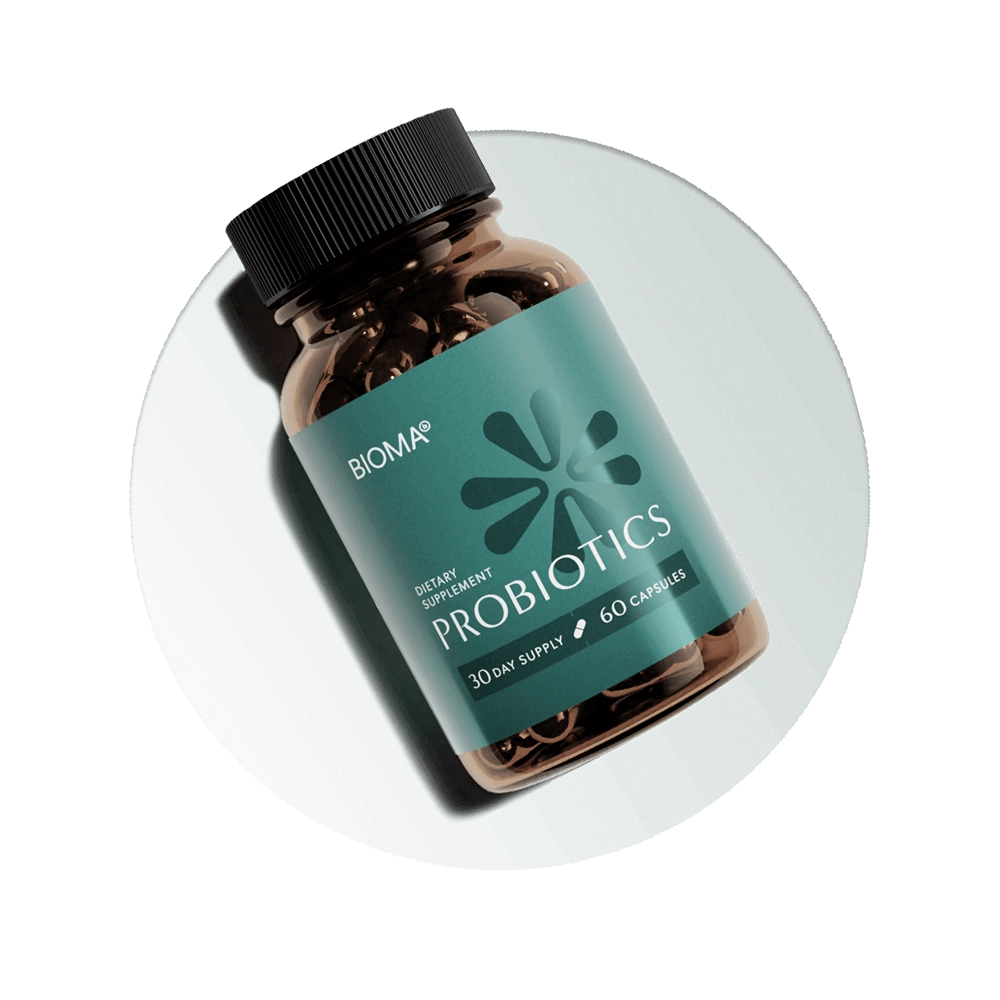
This means gut health belongs in the sleep conversation, although probiotics should not be presented as sleeping pills. People interested in supporting their microbiome can consider dietary fiber, fermented foods where appropriate, and probiotics for gut health as part of a broader digestive wellness routine.

A 7 Day Sleep Optimization Program
Instead of changing ten things at once, use one week to build your sleep routine gradually. This approach makes it easier to identify which habits actually help you.
Day 1: Find Your Sleep Window
Choose a realistic wake time that you can maintain most days. Work backward to allow at least seven hours for sleep, with additional time for winding down and falling asleep.
Do not chase an arbitrary eight hour target if your schedule currently allows only six. Start by creating enough opportunity for sleep and improve consistency from there.
Day 2: Fix Your Morning Before Fixing Your Night
Get outside or expose yourself to natural daylight during the earlier part of the day. Keep your wake time reasonably consistent, including weekends when possible.
Your morning routine influences your circadian rhythm, so sleep optimization starts several hours before bedtime.
Day 3: Audit Caffeine and Evening Food
Look at when you consume coffee, energy drinks, tea, and other caffeine sources. NIH sleep guidance notes that caffeine effects can last for hours, which is why late afternoon coffee may still interfere with bedtime.
Keep large meals away from bedtime when possible. If hunger genuinely keeps you awake, a light snack may make more sense than going to bed uncomfortable.
Day 4: Optimize Your Bedroom
Make the room as dark, quiet, and comfortably cool as practical. You do not need an expensive sleep optimization tool if blackout curtains, an eye mask, or reducing unnecessary noise solves the problem.
This is also a good day to remove anything that encourages prolonged scrolling in bed.
Day 5: Create a 30 Minute Landing Routine
Give your brain a predictable transition into sleep. Reading, gentle stretching, a warm shower, quiet music, or relaxation exercises can all work when they genuinely feel calming.
Keep the routine simple enough that you can repeat it on ordinary weekdays. A sleep routine that requires twelve products and ninety minutes of preparation is unlikely to survive a busy month.
Day 6: Review Gut and Lifestyle Habits
Look at your day as a whole. Regular physical activity, balanced meals, dietary fiber, hydration, and a consistent eating pattern can support overall health alongside your sleep routine.
If digestive symptoms regularly disturb sleep, address the digestive problem itself rather than adding another sleep hack. Persistent bloating, reflux, pain, or bowel changes deserve appropriate evaluation.
Day 7: Keep What Worked
Review the week and choose three or four habits that made the biggest difference. Those become your personal sleep optimization program for the next few weeks.
Avoid adding new interventions simply because your tracker occasionally reports an imperfect night. Consistency matters more than creating the most elaborate possible routine.
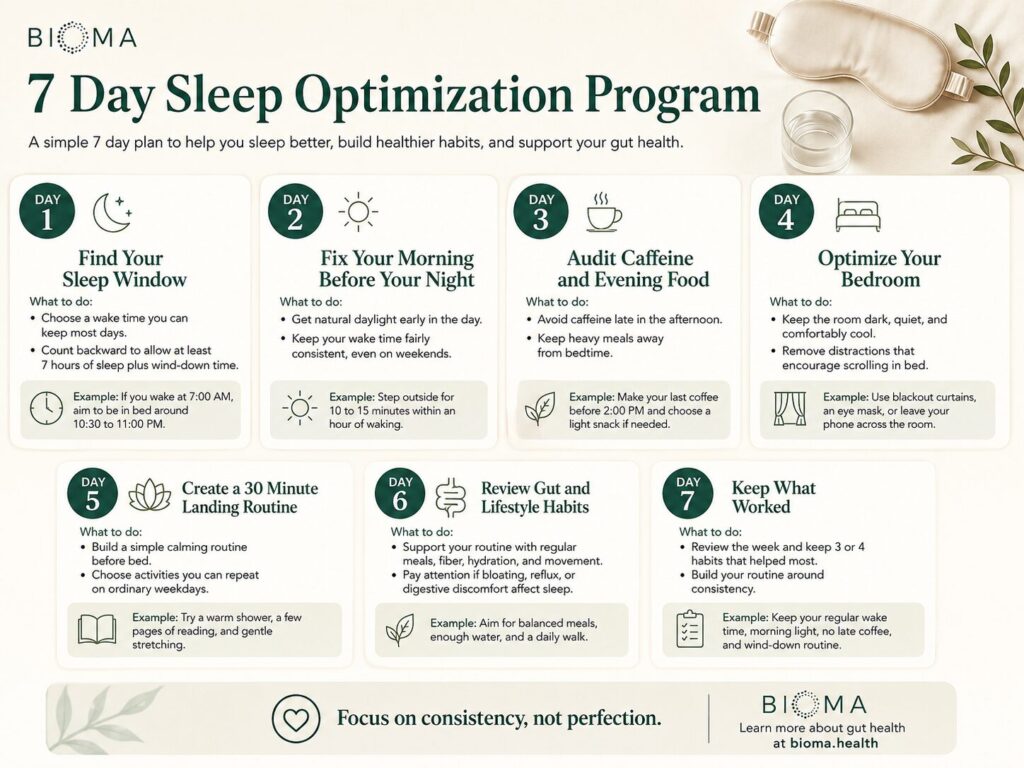
Printable version: Download the 7 Day Sleep Optimization Program and use the checkboxes to track each day, write down what worked, and choose the three habits you want to keep.
Is There an Optimal Sleep Position?
There is no single optimal sleep position for every healthy person. Comfort and the ability to sleep continuously are usually more useful considerations than forcing yourself into a position that feels unnatural.
Specific medical situations can change the recommendation. Research suggests that sleeping on the left side may reduce nighttime reflux for people with gastroesophageal reflux disease compared with right side or back sleeping. Sleep apnea, pregnancy, pain, and other conditions may also influence which position works best for an individual.
The Best Version of Sleepmaxxing Is Surprisingly Simple
Sleepmaxxing works best when you strip away the pressure to optimize every minute. The strongest habits remain remarkably ordinary: allow enough time for sleep, keep your schedule reasonably consistent, manage light exposure, stay physically active, watch late caffeine, and create a bedroom where you can actually rest.
Gut health may also be part of the wider sleep health picture, and emerging research suggests meaningful connections between sleep, circadian rhythms, and the microbiome. The science is still developing, so there is little reason to turn one probiotic, supplement, gadget, or sleep score into the center of your routine.
Use the sleepmaxxing trend as motivation to take sleep seriously. Then build a routine simple enough that you can still follow it when life gets busy.
Sources
- CDC. About Sleep. View CDC sleep recommendations
- CDC National Center for Health Statistics. Short Sleep Duration and Sleep Difficulties Among Adults: United States, 2024. Read the 2026 CDC data brief
- National Heart, Lung, and Blood Institute. Healthy Sleep Habits. Read NIH healthy sleep guidance
- Harvard Health Publishing. Should You Be Sleepmaxxing to Boost Health and Happiness? Read the Harvard Health overview
- Fregolente LG, et al. The Gut Sleep Connection: A Scoping Review Into Microbiome Alterations in Sleep Wake and Circadian Disorders. 2026. View on PubMed
- Zhu et al. Effects of Probiotic Supplementation on Subjective and Objective Sleep Outcomes: An Updated Systematic Review and Meta Analysis of 39 Randomized Controlled Trials. 2026. View on PubMed
- Ito H, et al. Effects of Probiotics on Sleep Parameters: A Systematic Review and Meta Analysis. 2024. View on PubMed
- Schuitenmaker JM, et al. Sleep Positional Therapy for Nocturnal Gastroesophageal Reflux: A Randomized Trial. View on PubMed
- Saner NJ, et al. The Effect of Acute Sleep Deprivation on Skeletal Muscle Protein Synthesis and the Hormonal Environment. View on PubMed
- Bioma Health. Probiotics for Gut Health. Learn more about probiotics for gut health

Related articles

Less gut discomfort. More freedom to enjoy life.
Take our 1-min quiz to find out your gut type and get personalized advice and probiotics to relieve constipation, bloating, and other digestive issues.


