Why Muscle Is Becoming the New Longevity Metric for Women

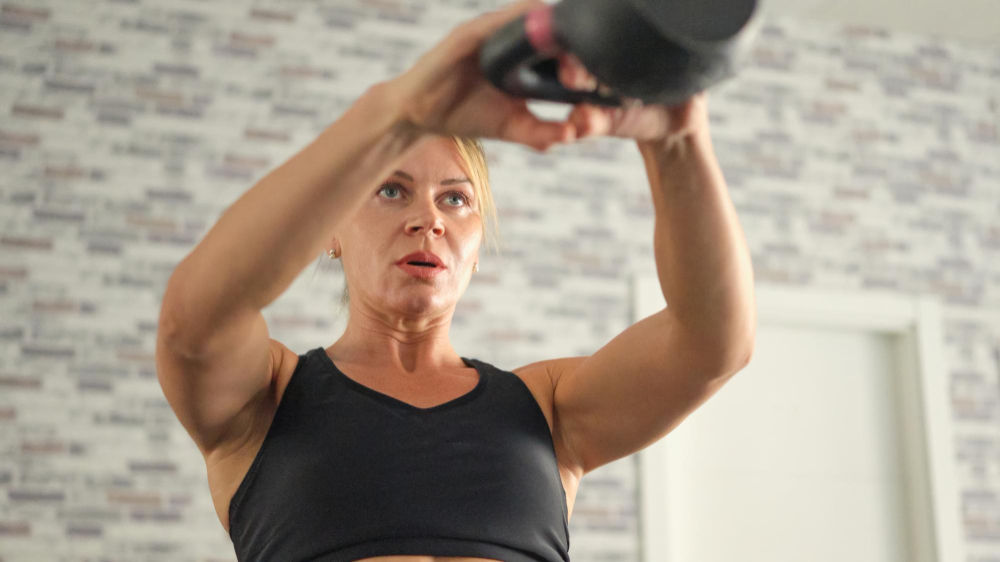
For years, conversations about women’s health focused heavily on body weight, BMI, and how much space the body takes up. Longevity research is shifting attention toward something far more functional: how much muscle you maintain, how strong it is, and what that strength allows you to do as you age.
Muscle is not a perfect standalone longevity test, and having more muscle does not guarantee a longer life. Still, maintaining muscle mass and strength is closely connected with mobility, independence, metabolic health, fall prevention, and the ability to stay physically active later in life. That makes muscle an increasingly useful part of the healthy longevity conversation.
What Does Longevity Actually Mean?
The simplest longevity definition is the length of a person’s life. Modern longevity science increasingly looks beyond lifespan alone and considers healthspan, meaning how many of those years are spent with good health and physical function.
That distinction matters for women. Women generally live longer than men, yet research also shows sex specific differences in aging, frailty, hormones, and age related disease. The goal of longevity health therefore goes beyond adding birthdays. It includes preserving the physical capacity to walk, lift, travel, work, exercise, and live independently for as long as possible. This is where skeletal muscle becomes especially interesting.
Why Muscle Matters More as Women Get Older
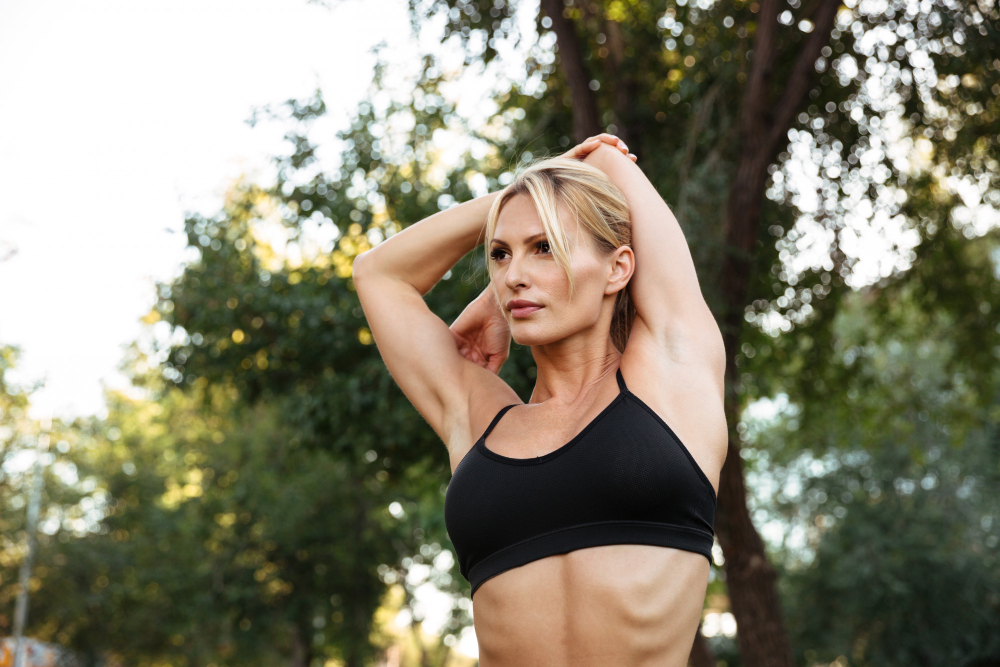
Muscle mass and strength generally peak in early adulthood and can gradually decline with age. More significant losses can contribute to sarcopenia, which involves reductions in muscle mass, strength, and function.
The consequences reach far beyond appearance. A 2025 Global Leadership Initiative in Sarcopenia consensus report concluded that sarcopenia is associated with a higher risk of falls, fractures, reduced quality of life, and mortality. A 2026 meta analysis involving more than 76,000 older adults also found associations between sarcopenia, functional decline, and all cause mortality.
For women, the menopause transition adds another reason to pay attention. Changes in sex hormones can coincide with changes in muscle, bone, and body composition, although menopause does not mean muscle loss is inevitable.
Recent evidence is encouraging. A 2026 systematic review and meta analysis covering 126 studies and more than 4,000 women found that resistance training improved strength and body composition in both premenopausal and postmenopausal women.
The Scale Is Only One Number: What Else Should You Watch?
Longevity does not require turning your body into a spreadsheet. Still, several everyday indicators tell you more about physical resilience than body weight alone.
| What to notice | Why it matters for healthy longevity |
| Strength | Helps with lifting, carrying and maintaining independence |
| Muscle mass | Provides physical reserve as age related muscle loss occurs |
| Balance | Becomes increasingly important for fall prevention |
| Walking ability | Reflects mobility and everyday function |
| Recovery | Helps determine whether your training routine is sustainable |
| Consistency | Muscle is maintained through repeated use over time |
Clinical researchers may use grip strength, gait speed, body composition scans, or other standardized tests when assessing muscle health. Interestingly, some research suggests strength and physical performance can provide information that muscle mass measurements alone may miss.
For everyday longevity training, you can start much more simply by asking whether your body is becoming stronger and more capable over time.
Your Muscle and Longevity Self Check
This is a lifestyle check rather than a medical test for sarcopenia. Check what applies to you:
Are You Building for Longevity?
Check every statement that currently feels true for you. Your result will show where your muscle-supporting routine is already strong and where you may have room to build.
What Should a Longevity Workout Look Like?
You do not need a specialized longevity workout filled with complicated exercises. Current US physical activity guidance recommends that adults perform muscle strengthening activities for all major muscle groups on at least two days each week, alongside aerobic activity.
For muscle gain in women, a simple full body routine can include movements such as:
- A squat, leg press, or sit to stand movement
- A hip hinge, deadlift variation, or hip thrust
- A row or another pulling exercise
- A chest press or push up variation
- An overhead pressing movement
- Carries, core work, or balance exercises
Your starting point should match your current ability. Resistance can come from machines, free weights, bands, or your own body weight.
What matters is progression. If the same workout feels exactly as difficult six months later, your muscles have little reason to adapt. Gradually adding resistance, repetitions, range of motion, or exercise difficulty provides the stimulus that supports muscle growth.
Nutrition for Longevity Should Support Muscle Too
A longevity diet cannot be reduced to a single superfood or supplement. Adequate energy, protein, fiber, micronutrients, and an overall nutritious eating pattern all contribute to health and recovery.
Protein receives particular attention because muscle tissue requires amino acids for repair and growth. Research in older adults suggests that combining resistance exercise with adequate protein is more effective for muscle than relying on protein supplementation while remaining inactive. A 2024 randomized trial in postmenopausal women similarly found clear improvements in muscle mass and strength in groups performing resistance training.
Rather than immediately shopping for longevity supplements or a “muscle booster,” start by checking whether your normal meals contain meaningful protein sources. Eggs, dairy, fish, poultry, meat, tofu, soy foods, beans, lentils, and other protein rich foods can all contribute depending on your dietary preferences.
Muscle Growth Happens During Recovery Too
Training creates the stimulus for adaptation. Recovery gives the body an opportunity to respond to it, which makes sleep an important part of any sustainable muscle growth plan.
Poor sleep can interfere with exercise performance and recovery, and experimental research has shown that severe sleep deprivation can reduce muscle protein synthesis. One bad night will not erase your progress, but repeatedly sacrificing sleep to fit in another workout is unlikely to be a smart longevity strategy.
Sleep also intersects with metabolic and gut health. A 2026 systematic review found links between sleep and circadian disruption and differences in the gut microbiome, although researchers emphasized that the relationship is complex and causality remains uncertain.
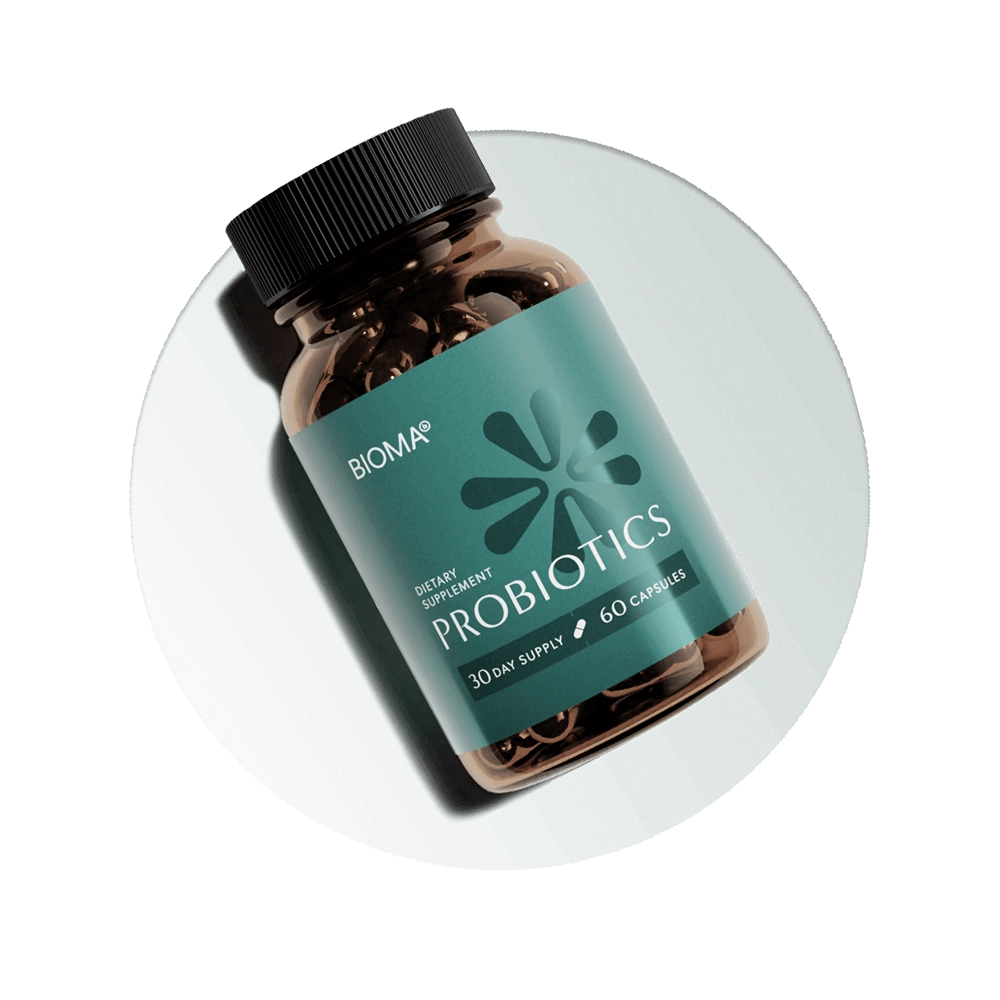
Some people exploring sleep, gut health, and evening wellness may encounter products marketed around probiotics for nighttime metabolism. Bioma Night Metabolism & Sleep is a nighttime dietary supplement rather than a substitute for resistance training, sufficient protein, or healthy sleep habits. Those fundamentals should remain the foundation for preserving muscle and supporting recovery.

Is Longevity Genetic?
Genes certainly matter, although longevity is far too complex to be explained by genetics alone. Modern longevity research has identified genetic pathways associated with aging and exceptional lifespan, but currently identified variants explain only part of the differences seen between individuals.
That is useful news from a practical perspective. You cannot change the family you were born into, but you can influence many behaviors connected with healthy aging.
Building strength is one of them.
The New Longevity Goal: Stay Capable
Muscle should not become another body standard women feel pressured to chase. Its value comes from what it allows your body to do.
A useful longevity goal might be carrying your own luggage at 70, getting off the floor without help, climbing stairs comfortably, maintaining balance, continuing your favorite activities, and recovering well enough to keep moving.
The best time to protect that physical reserve is before you urgently need it. Strength training, adequate nutrition, regular movement, sleep, and recovery may look far less futuristic than many longevity treatments, but they address something remarkably important: keeping your body capable for more of the years you are alive.
Sources
- Global Leadership Initiative in Sarcopenia. Health Outcomes of Sarcopenia: A Consensus Report. 2025. View on PubMed
- Zhao et al. Long-Term Impact of Sarcopenia on Functional Decline and Mortality in Community-Dwelling Older Adults. 2026. View on PubMed
- National Institute on Aging. Health Benefits of Exercise and Physical Activity. Read the NIA guidance
- CDC. Physical Activity for Adults. View the CDC recommendations
- It’s Never Too Late: The Impact of Resistance Training on Strength and Body Composition in Females Across the Lifespan. 2026. View on PubMed
- González-Gálvez N, et al. Resistance Training Effects on Healthy Postmenopausal Women: A Systematic Review With Meta-Analysis. 2024. View on PubMed
- Analysis of Combinatory Effects of Free Weight Resistance Training and a High-Protein Diet on Body Composition and Strength Capacity in Postmenopausal Women. 2024. View on PubMed
- Sarcopenia Definition and Outcomes Consortium. Sarcopenia Definition: Position Statements. View on PubMed
- Smulders L, Deelen J. Genetics of Human Longevity: From Variants to Genes to Pathways. 2024. View on PubMed
- Olson M, et al. Sleep and Circadian Rhythm Health and the Gastrointestinal Microbiota. 2026. View on PubMed
- Bioma Health. Night Metabolism & Sleep. Learn more at Bioma


Related articles



Less gut discomfort. More freedom to enjoy life.
Take our 1-min quiz to find out your gut type and get personalized advice and probiotics to relieve constipation, bloating, and other digestive issues.


