10 Signs Your Vaginal Microbiome Is Out of Balance – Take The Quiz!


Your vaginal microbiome is one of those things you may not think about until something feels off. When it is balanced, it usually works quietly in the background. It helps maintain a healthy vaginal pH, supports comfort, and creates an environment where beneficial bacteria can thrive.
When that balance shifts, your body may start sending signals. Some signs are obvious, like unusual odor or recurring bacterial vaginosis. Others are easier to miss, such as dryness, irritation, or symptoms that seem to come and go around your cycle. This quiz is not a diagnosis and should not replace medical care, but it can help you understand whether your vaginal microbiome may need more support.
Could Your Vaginal Microbiome Be Out of Balance?
Your vaginal microbiome can shift for many reasons, including hormones, antibiotics, stress, sex, your cycle, and everyday habits. This quiz is not a diagnosis, but it can help you notice patterns and understand which signs may be worth learning more about.
1. Do you frequently notice an unusual vaginal odor?
2. Have you experienced recurring BV?
3. Do you frequently get yeast infections?
4. Do you often experience vaginal dryness?
5. Do you regularly experience irritation, itching, or discomfort?
6. Have you taken antibiotics multiple times recently?
7. Do symptoms tend to return shortly after treatment?
8. Do you notice changes around your menstrual cycle?
9. Do you often feel like your vaginal health is unpredictable?
10. Have you experienced more than one of these signs recently?
Understanding the Signs
The vaginal microbiome is usually healthiest when beneficial Lactobacillus bacteria are dominant. These bacteria help keep the vaginal environment acidic, which makes it harder for disruptive organisms to overgrow. When Lactobacillus levels decrease or microbial diversity shifts in an unfavorable direction, symptoms may appear.
Not every change means something serious is happening. Your vaginal environment can naturally fluctuate with menstruation, sex, antibiotics, stress, pregnancy, and hormonal changes. The key is noticing patterns. If symptoms keep returning, feel unusual for you, or interfere with comfort, it may be worth learning more and speaking with a healthcare professional.
Unusual Vaginal Odor
A noticeable change in vaginal odor is one of the most common signs that the vaginal microbiome may be out of balance. Many women describe BV-related odor as fishy or stronger than usual, especially after sex or around menstruation. This can happen when Lactobacillus levels decrease and other bacteria become more dominant.
Odor alone does not always mean BV, but it should not be ignored if it is persistent, new, or paired with discharge, irritation, or discomfort. A balanced vaginal microbiome usually helps maintain a lower pH, which supports a more stable environment. When that pH changes, odor can become more noticeable.
Recurring BV
Recurring bacterial vaginosis is one of the clearest signs that the vaginal microbiome may be struggling to maintain balance. BV is not usually caused by one single germ. It is better understood as a shift in the vaginal ecosystem, where protective Lactobacillus bacteria become less dominant and anaerobic bacteria increase.
This is why BV can come back even after treatment. Treatment may reduce symptoms and bacterial overgrowth, but the microbiome still needs to rebuild stability. If BV keeps returning, it may be a sign that the underlying vaginal environment needs longer-term support.
Frequent Yeast Infections
Frequent yeast infections can also suggest that the vaginal environment is being disrupted, although yeast infections and BV are not the same condition. Yeast overgrowth often involves Candida, while BV involves a shift toward certain bacterial communities. Still, both can happen when the normal balance of the vaginal ecosystem is disturbed.
If yeast infections happen repeatedly, it may be worth looking beyond temporary symptom relief. Hormonal changes, antibiotic use, blood sugar issues, immune health, and microbiome disruption may all play a role. A healthcare provider can help confirm whether symptoms are truly yeast-related, since irritation and discharge can have multiple causes.
Vaginal Dryness
Vaginal dryness is often associated with hormonal changes, especially during postpartum recovery, breastfeeding, perimenopause, menopause, or certain phases of the menstrual cycle. However, dryness can also affect how comfortable and resilient the vaginal environment feels day to day.
When tissue feels dry or easily irritated, the microbiome may be more vulnerable to disruption. Dryness can also make sex uncomfortable and may increase sensitivity to products, friction, or hygiene habits. Supporting vaginal health means thinking about the whole environment, not only bacteria.
Irritation or Discomfort
Itching, burning, sensitivity, or general discomfort can be signs that something in the vaginal environment is irritated or imbalanced. These symptoms may appear with infections, pH changes, product sensitivity, hormonal shifts, or inflammation.
This is one reason it is important not to guess. Using harsh washes, scented products, or repeated over-the-counter treatments without knowing the cause may make irritation worse. If discomfort is recurring or intense, it is best to get checked so you know what you are actually dealing with.
Recent Antibiotic Use
Antibiotics can be necessary and helpful, but they may also affect beneficial bacteria. This is not limited to the gut. Antibiotic use can influence microbial communities throughout the body, including the vaginal microbiome.
Some women notice changes after a course of antibiotics, such as yeast symptoms, BV recurrence, or increased sensitivity. This does not mean antibiotics should be avoided when they are medically needed. It simply means the microbiome may need support afterward, especially if symptoms tend to appear after treatment.

Recurring Symptoms
Symptoms that disappear and then return can be frustrating because they make it feel like the problem was never fully resolved. In some cases, recurring symptoms may indicate that the vaginal microbiome has not returned to a stable, Lactobacillus-dominant state.
This pattern is common in recurring BV, but it can also happen with other forms of irritation or imbalance. Tracking when symptoms return can be helpful. Pay attention to whether they appear after sex, around your period, after antibiotics, during stress, or after using certain products.
Cycle-Related Changes
The vaginal microbiome can shift throughout the menstrual cycle. Hormonal changes affect vaginal tissue, cervical fluid, pH, and moisture levels. Menstrual blood can temporarily raise vaginal pH, which may make symptoms more noticeable for some women.
Mild changes around your period can be normal. However, if odor, irritation, or discomfort appears every cycle and feels disruptive, it may be worth taking seriously. Your cycle can reveal patterns that help you understand what your vaginal microbiome needs.
Unpredictable Vaginal Health
If your vaginal health feels unpredictable, it can affect your confidence, comfort, and daily life. You may feel fine one week and uncomfortable the next, without understanding why. This unpredictability can sometimes reflect a microbiome that is sensitive to small changes.
Stress, sex, hygiene products, menstruation, antibiotics, and hormonal shifts can all influence the vaginal environment. The goal is not to make your microbiome perfect. The goal is to support enough stability that you feel more comfortable and less reactive over time.
Multiple Symptoms at Once
Experiencing more than one sign at the same time may suggest that the vaginal environment is under greater stress. For example, odor plus recurring discomfort may point to a different pattern than dryness alone. Discharge, odor, itching, burning, and recurring symptoms should always be interpreted in context.
This is where professional guidance matters. Many vaginal health issues can overlap, and symptoms can be misleading. Getting proper testing can help you avoid treating the wrong issue and give you a clearer path forward.
How to Improve Your Vaginal Microbiome
Improving your vaginal microbiome starts with protecting the environment that beneficial bacteria need to thrive. Gentle hygiene, avoiding scented vaginal products, using antibiotics only when medically necessary, practicing safer sex, and paying attention to recurring patterns can all support vaginal balance.
Nutrition and overall microbiome health may also matter. Researchers are increasingly looking at the relationship between the gut and vaginal microbiome, since beneficial bacteria and immune signaling are part of a larger ecosystem. This does not mean one habit fixes everything, but it does mean vaginal health is connected to whole-body health.
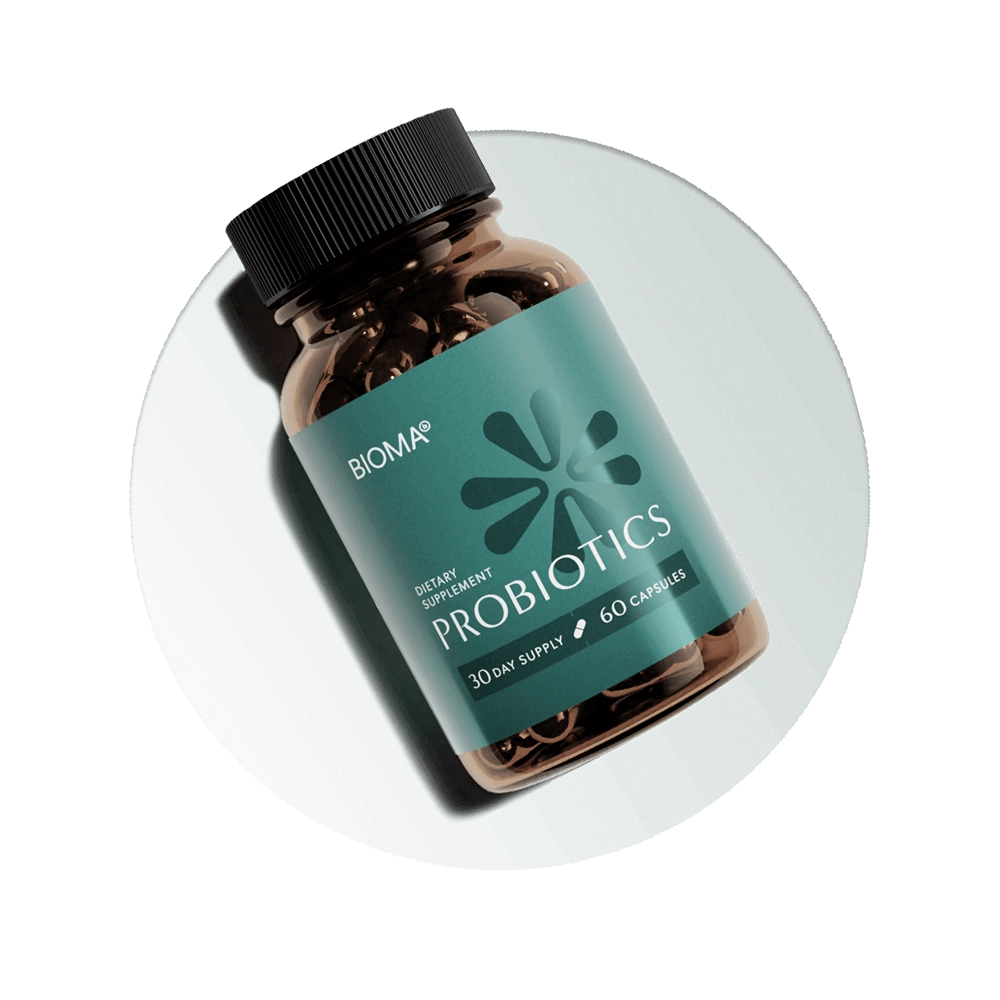
Because vaginal balance is closely tied to beneficial bacteria, many women choose to support their routine with targeted probiotics and prebiotics. Bioma Feminine Health Synbiotics are designed to support vaginal and gut microbiome health by helping nourish beneficial bacteria and promote a healthier microbial environment over time. They are not a replacement for medical treatment when symptoms need care, but they can fit naturally into a long-term routine focused on comfort, balance, and prevention.

A Healthy Vaginal Microbiome Does Not Need to Be Perfect
Your vaginal microbiome is dynamic. It changes throughout your cycle, across different life stages, and in response to everyday factors. Balance does not mean nothing ever changes. It means your body is able to return to a stable, comfortable state.
If you notice recurring symptoms, unusual odor, frequent infections, or ongoing discomfort, your body may be asking for more support. Listening early can help you understand what is normal for you and when something deserves attention. Vaginal health should not feel mysterious or shameful. It is part of your overall well-being, and it deserves the same care as every other part of your body.
Sources
- Chen, X., Lu, Y., Chen, T., & Li, R. (2021). The female vaginal microbiome in health and bacterial vaginosis. Frontiers in Cellular and Infection Microbiology.
- Kroon, S.J., Ravel, J., & Huston, W.M. (2018). Cervicovaginal microbiota, women’s health, and recurrent bacterial vaginosis. Current Opinion in Infectious Diseases.
- van de Wijgert, J.H.H.M., & Jespers, V. (2017). The global health impact of vaginal dysbiosis. Research in Microbiology.
- Brotman, R.M. (2011). Vaginal microbiome and sexually transmitted infections. Clinical Microbiology Reviews.
- Chieng, W.K., et al. (2022). Probiotics, a promising therapy to reduce the recurrence of bacterial vaginosis in women? A systematic review and meta-analysis of randomized controlled trials. Frontiers in Nutrition.
- Machado, A., & Cerca, N. (2015). Influence of biofilm formation by Gardnerella vaginalis and other anaerobes on bacterial vaginosis. Journal of Infectious Diseases.
Related articles


Less gut discomfort. More freedom to enjoy life.
Take our 1-min quiz to find out your gut type and get personalized advice and probiotics to relieve constipation, bloating, and other digestive issues.


