PMOS and Women’s Wellness: The Role of Probiotics in Supporting Hormonal Balance


Hormonal balance affects far more than reproductive health. It influences energy levels, mood, sleep quality, digestion, metabolism, skin health, and overall wellbeing. When hormones are functioning optimally, many women feel more energized, resilient, and better able to maintain healthy daily routines. When hormonal balance is disrupted, however, the effects can be felt throughout the body.
In recent years, growing attention has been given to the connection between gut health and hormones. Researchers continue to uncover fascinating links between the microbiome and women’s wellness, leading many women to explore probiotics and synbiotics as part of a broader wellness strategy.
What Does PMOS Mean?
Many people ask, what does PMOS mean. In reality, PMOS is often used as a mistaken variation of PCOS, which stands for Polycystic Ovary Syndrome.
PCOS is one of the most common hormonal conditions affecting women of reproductive age. It is associated with symptoms that may include irregular menstrual cycles, acne, weight management challenges, and changes in hormone levels. Because PMOS has become a commonly searched term online, it often appears in wellness discussions even though healthcare professionals typically use the term PCOS.
Understanding the terminology is helpful because it allows women to find accurate information and better understand discussions about hormonal health and women’s wellness.

Why Hormonal Balance Matters for Women’s Wellness
Hormones act as chemical messengers. They help coordinate many essential processes in the body, from menstrual cycle regulation and metabolism to mood, sleep, appetite, and energy. This is why hormonal balance plays such a central role in womens wellness.
Hormones affect how the body feels and functions every day. Balanced hormones can support steadier energy, better sleep, a healthier mood, more regular cycles, and improved overall wellbeing.
Hormonal balance is not controlled by one single factor. Nutrition, stress, movement, sleep, gut health, and age can all influence how the body regulates hormones. This is also why many women ask what supplements help balance hormones. The strongest approach is usually not one isolated solution, but a consistent routine that supports the whole body.
Understanding Hormonal Imbalances in Women
Hormonal fluctuations are a normal part of life. Menstrual cycles, pregnancy, postpartum recovery, perimenopause, and menopause all involve natural hormonal changes. However, some women experience symptoms that feel more disruptive, especially when lifestyle stressors, poor sleep, digestive issues, or inflammation are also present.
Many people search for types of PMOS, although healthcare professionals usually refer to different presentations of PCOS symptoms rather than “types of PMOS.” These patterns can help explain why women experience symptoms differently.
| Common Presentation | Typical Features |
|---|---|
| Insulin Resistant | Weight gain, increased cravings, energy fluctuations |
| Inflammatory | Symptoms associated with inflammation and lifestyle factors |
| Adrenal Related | Stress linked hormonal symptoms |
| Post Pill Related | Symptoms that appear after discontinuing hormonal contraception |
These categories are not a replacement for medical guidance, but they can help readers understand why hormonal health is personal. Two women may have similar concerns but need different lifestyle strategies and support routines.
The Gut Hormone Connection: Why Your Microbiome Matters
The gut and hormones are connected more closely than many women realize. The gut microbiome, which is made up of trillions of microorganisms, interacts with digestion, immune function, metabolism, and communication pathways between the gut and brain.
This connection matters because hormonal wellness is not only about the reproductive system. Digestive comfort, cravings, mood, energy, and metabolic health can all influence how a woman feels day to day. When the gut microbiome is well supported, the body may have a stronger foundation for overall wellness.
Research has also explored how the microbiome may be involved in estrogen metabolism, inflammation, and metabolic function. This is one reason gut health is increasingly discussed in conversations about how to support hormone balance. Supporting the gut does not mean ignoring other habits. It means recognizing that digestion, nutrition, hormones, and daily wellbeing are part of the same bigger picture.
Synbiotics and Hormonal Health: What the Science Says
As interest in gut health grows, many women are becoming familiar with synbiotics supplements. Synbiotics combine probiotics with prebiotics. In simple terms, probiotics are beneficial microorganisms, while prebiotics help nourish those microorganisms.
This combination is one reason synbiotics for gut health have become popular among women looking for a more complete microbiome support routine. Instead of focusing only on adding beneficial bacteria, synbiotics also help create an environment where those bacteria can be supported. For women exploring female hormonal balance supplements, synbiotics may be a valuable part of a broader wellness strategy. Hormonal balance depends on many systems working together, and the gut is one of those systems.

How Bioma Feminine Health Synbiotics Support Women’s Wellness
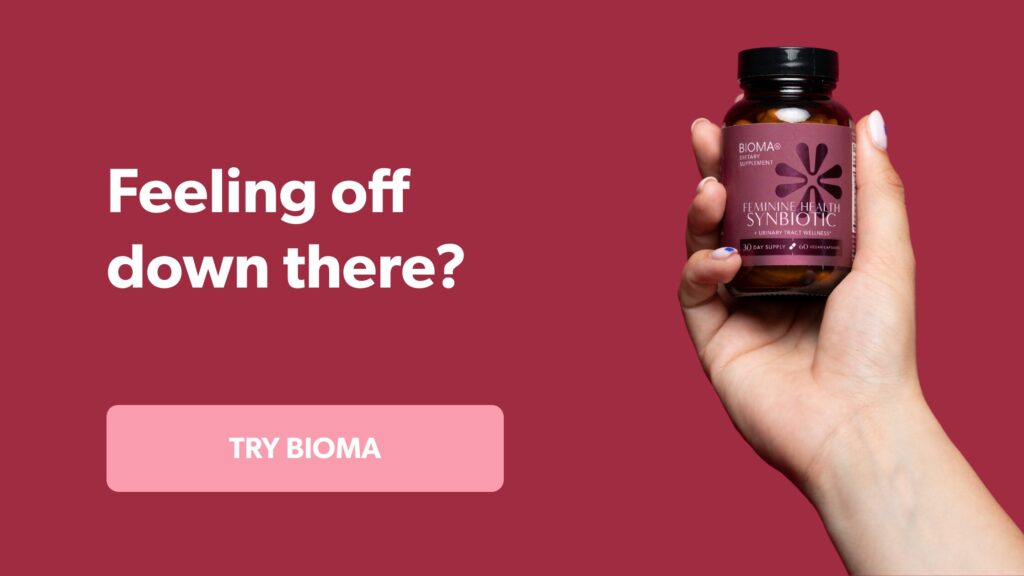
Bioma Feminine Health Synbiotics are designed for women who want to make gut health part of their daily wellness routine. By combining microbiome support with a women focused approach, they fit naturally into a lifestyle built around better digestion, consistency, and long term wellbeing. For women searching for the best synbiotics supplements, it is important to look beyond trends. A strong supplement routine should feel practical, easy to maintain, and aligned with everyday wellness goals. Bioma synbiotics can support a routine focused on:
- Gut microbiome support, digestive wellness, and daily consistency.
- A women centered approach that complements nutrition, movement, sleep, and stress management.
This makes synbiotics especially relevant for women who want to support their health from multiple angles, rather than relying on one short term solution.
Simple Daily Habits That Support Hormonal Balance
Healthy hormones are supported by daily choices. Sleep, nutrition, movement, stress management, and gut health all contribute to how the body regulates itself over time. Women who want to know how to support hormone balance can start with a simple and realistic foundation:
- Prioritize quality sleep, eat fiber rich foods, move regularly, manage stress, and support gut health consistently.
The goal is not perfection. The goal is a repeatable routine that helps the body feel more stable and supported. Even small changes can make a meaningful difference when they become part of daily life.
Hormonal Wellness Self Check
This simple self check can help readers reflect on their current wellness routine. It is not a diagnosis, but it can help identify areas that may deserve more attention. Consider whether you regularly experience low energy, digestive discomfort, mood fluctuations, poor sleep quality, frequent cravings, or difficulty maintaining healthy habits. If several of these feel familiar, it may be a sign that your body could benefit from more consistent support. Balanced meals, better sleep, stress reduction, movement, and gut health support can all work together to strengthen overall wellbeing.
Hormonal Wellness Self Check
Select any symptoms that sound familiar:
Supporting Women’s Wellness From the Inside Out
Women’s wellness is about more than managing symptoms. It is about understanding how different systems in the body work together. Hormones, digestion, metabolism, stress, and sleep are all connected, which is why a whole body approach often makes the most sense.
The growing interest in synbiotics reflects this shift. More women are recognizing that supporting the gut microbiome can be an important part of feeling better, building consistency, and caring for long term wellbeing. With healthy routines and targeted support from Bioma Feminine Health Synbiotics, women can take a more complete approach to wellness from the inside out.
Sources
- National Institutes of Health. Gut Microbiota and Women’s Health https://pmc.ncbi.nlm.nih.gov/articles/PMC10384867/
- Cryan, J.F., O’Riordan, K.J., Cowan, C.S.M., et al. (2019). The Microbiota-Gut-Brain Axis. Physiological Reviews, 99(4), 1877–2013 https://journals.physiology.org/doi/full/10.1152/physrev.00018.2018
- Harvard T.H. Chan School of Public Health. The Nutrition Source: Gut Health
- International Scientific Association for Probiotics and Prebiotics (ISAPP). ISAPP Consensus Statement on Synbiotics
- National Center for Complementary and Integrative Health. Probiotics: What You Need To Know https://www.nccih.nih.gov/health/probiotics-what-you-need-to-know
Related articles

Less gut discomfort. More freedom to enjoy life.
Take our 1-min quiz to find out your gut type and get personalized advice and probiotics to relieve constipation, bloating, and other digestive issues.


