Nighttime Fat Burning: Myth or Science?


You’ve probably heard claims that your body burns fat while you sleep, or that certain supplements can “boost” fat burning overnight. It sounds appealing, especially because it suggests results without effort. But the reality is more nuanced. Your body does continue to burn energy during sleep, but not in the way most marketing messages suggest. There is no switch that suddenly turns on fat burning at night. Instead, what happens while you sleep depends on how well your body regulates hormones, digestion, and energy throughout the entire day. Nighttime fat burning is not a shortcut, it is a reflection of how well your system is functioning overall.

What Actually Happens in Your Body at Night
Your body does not “shut off” when you go to sleep. In fact, nighttime is one of the most active periods for internal regulation, especially when it comes to metabolism and recovery. While you are resting, your body shifts its focus from external activity to repair, hormone balance, and energy regulation, all of which directly influence fat burning.
One of the key processes happening at night is hormone regulation. During sleep, your body adjusts levels of hormones that control hunger, stress, and metabolism. For example, cortisol levels naturally decrease, allowing your system to move into a more recovery-focused state. At the same time, hormones like leptin, which signal fullness, become more active, helping regulate appetite for the next day.
Another critical factor is the release of growth hormone, which peaks during deep sleep. This hormone plays a major role in fat metabolism, as it helps your body use stored fat for energy rather than relying on incoming food. This is one of the main reasons why deep, uninterrupted sleep is strongly linked to better fat regulation, not just overall recovery.
Insulin sensitivity also improves during sleep, especially when your sleep is consistent and of good quality. This means your body becomes more efficient at managing blood sugar levels and using energy properly. When insulin sensitivity is high, your body is more likely to use stored energy, including fat, instead of storing more of it.
Fat burning at night is not a special process, but a continuation of how well your body regulates hormones, energy, and recovery while you sleep.
Can You Burn Fat While Sleeping?
Yes, your body does burn fat while you sleep, but it is part of your normal metabolism, not a separate or enhanced process. Even at rest, your body requires energy to maintain vital functions such as breathing, circulation, and cellular repair. This baseline energy use is known as your basal metabolic rate (BMR).
During sleep, your body continues to use a mix of energy sources, including stored fat. However, the proportion of fat used depends on your overall metabolic state, including what you ate during the day, how stable your blood sugar is, and how well your hormones are regulated.
This means that fat burning during sleep is influenced more by your daily habits than by anything that happens only at night. If your system is stable, your body naturally uses stored energy more efficiently. If it is not, fat burning becomes less efficient regardless of sleep duration.
Why Poor Sleep Can Block Fat Burning
Sleep quality has a direct impact on your body’s ability to regulate fat metabolism. When sleep is disrupted or insufficient, your body produces higher levels of cortisol, the primary stress hormone. Elevated cortisol can increase fat storage, particularly in the abdominal area.
At the same time, poor sleep disrupts the balance between ghrelin and leptin, the hormones that regulate hunger and fullness. This often leads to increased appetite, stronger cravings, and a higher likelihood of overeating the next day.
Sleep deprivation also reduces insulin sensitivity, making it harder for your body to manage blood sugar effectively. This creates a cycle where energy is less stable, and fat storage becomes more likely. Poor sleep does not just reduce fat burning, it actively creates conditions that promote fat gain.
Nighttime Fat Burning Supplements: Do They Work?
Many products claim to increase fat burning during sleep, often marketed as nighttime fat burners. These supplements typically rely on ingredients that either stimulate metabolism or affect appetite.
The problem is that most of these effects are either minimal or temporary. In some cases, stimulating ingredients can even interfere with sleep quality, which works against fat regulation rather than supporting it.
There is limited scientific evidence supporting the idea that supplements can significantly increase fat burning during sleep on their own. Without proper sleep, stable nutrition, and balanced metabolism, supplements alone are unlikely to produce meaningful results.
Belly Fat and Night Metabolism: Is There a Link?
Belly fat, particularly visceral fat, is closely linked to hormonal balance and stress levels. While it is not burned specifically at night, the processes that regulate it are strongly influenced by sleep quality.
High stress and poor sleep can increase cortisol levels, which are associated with fat storage in the abdominal area. Over time, this makes it harder for the body to reduce belly fat, even with diet and exercise.
On the other hand, consistent, high-quality sleep supports hormonal balance and metabolic efficiency. Reducing belly fat is less about targeting a specific time of day and more about improving the conditions that regulate fat storage overall.
The Gut Factor: How Your Microbiome Affects Fat Burning
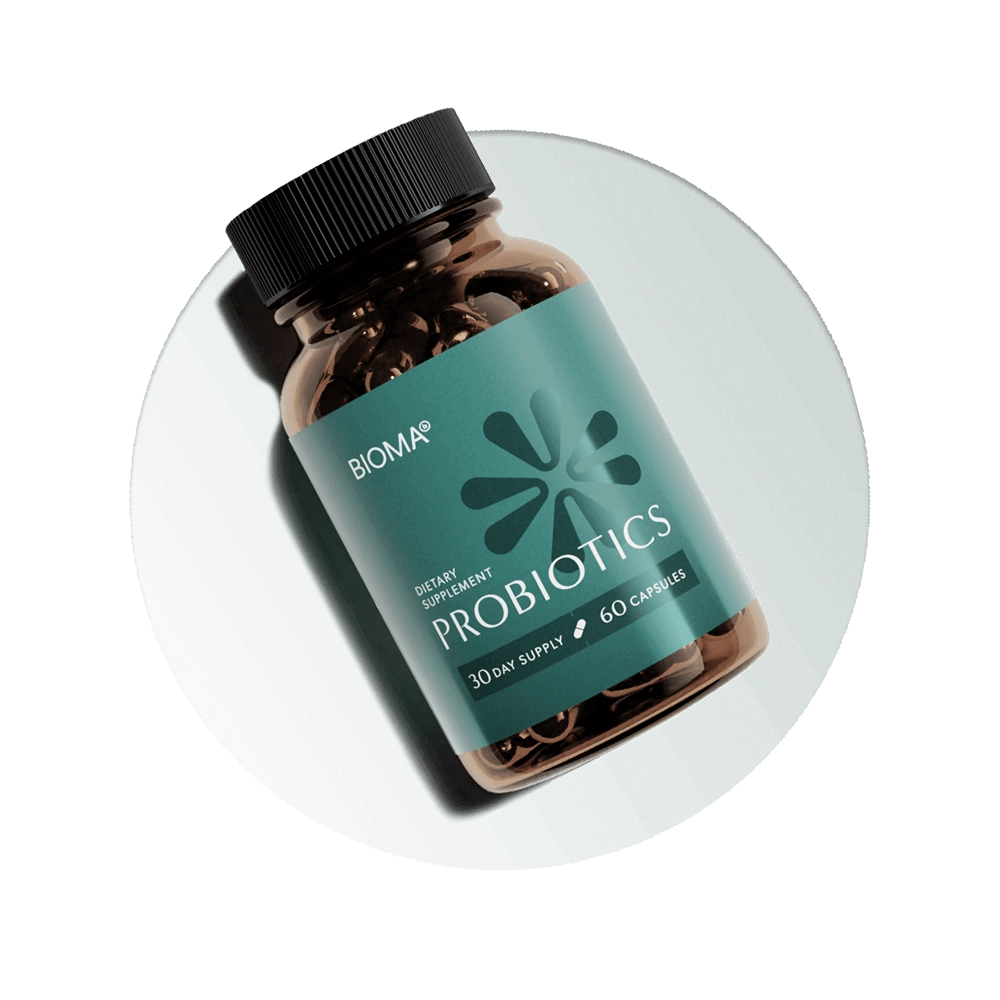
Your gut microbiome plays a significant role in how your body processes and stores energy. Certain bacteria are more efficient at extracting calories from food, while others influence how your body regulates fat storage and appetite. An imbalanced microbiome can contribute to increased cravings, unstable energy levels, and reduced metabolic efficiency. This makes it harder for your body to use stored fat effectively, even if your overall calorie intake is controlled. Supporting your gut can help improve this balance. For example, Bioma probiotics can support beneficial bacteria, improve digestion, and help regulate the signals that influence metabolism and fat storage. Over time, this creates a more stable internal environment where fat burning becomes more efficient.

What Actually Supports Fat Burning While You Sleep
Fat burning during sleep is not about doing something extra at night, but about supporting your system throughout the day. This includes maintaining stable blood sugar levels, eating balanced meals, and avoiding patterns that lead to energy crashes.
Meal timing also plays a role. Eating very late or consuming heavy, processed meals before bed can disrupt digestion and sleep quality. On the other hand, consistent eating patterns help your body regulate energy use more effectively.
Sleep itself is one of the most important factors. Deep, uninterrupted sleep allows your body to regulate hormones, repair tissues, and maintain metabolic balance. Fat burning at night improves when your overall system is stable, not when you try to force it with shortcuts.
Fat Burning Doesn’t Stop at Night
Your body does burn fat while you sleep, but it is not a special or accelerated process. It is simply part of your normal metabolism, influenced by how well your body is functioning as a whole. Focusing on sleep quality, balanced nutrition, and gut health will have a far greater impact than any single product or strategy. When these systems are aligned, your body naturally becomes more efficient at regulating energy and using stored fat. The real key is not to try to hack fat burning at night, but to build a system that supports it all day long.

Related articles

Less gut discomfort. More freedom to enjoy life.
Take our 1-min quiz to find out your gut type and get personalized advice and probiotics to relieve constipation, bloating, and other digestive issues.


