How to Improve Cognitive Function After 40


Somewhere in your forties, you might notice names take a beat longer to surface, or that juggling five things at once no longer feels effortless. Take a breath, because this is not decline setting in. Your brain at 40 is experienced, adaptable and remarkably responsive to care. The habits below are proven to sharpen focus, memory and mental clarity, and the earlier you start, the more your future self will thank you.
What Actually Changes in Your Brain After 40
A little context makes everything easier. From your forties onward, processing speed can dip slightly and multitasking gets harder, largely because of gradual shifts in blood flow, inflammation and cell communication. Yet your brain keeps a superpower called neuroplasticity, the lifelong ability to build new connections. That means the choices you make now genuinely reshape how well you think, and the research on how to improve cognitive function keeps pointing to the same reassuringly reachable levers.

Move Your Body to Sharpen Your Mind
If you do only one thing on this list, make it movement. Exercise is the most consistently proven way to boost cognitive function at any age, and it works through direct biology. Physical activity increases blood flow to the brain, lowers inflammation and stimulates BDNF, a protein that helps neurons grow and connect. Studies show that regular aerobic activity, such as brisk walking, cycling or dancing for 30 minutes most days, improves memory and executive function. Add a couple of strength sessions each week, since preserving muscle after 40 supports both metabolism and long term brain health.
Eat for a Sharper Brain
Food is fuel for thought in the most literal sense. The eating patterns that best improve brain function are rich in whole foods and healthy fats, with the Mediterranean and MIND diets leading the evidence. Certain foods that improve cognitive function come up again and again.
| Brain food | What it delivers |
|---|---|
| Fatty fish like salmon and sardines | Omega 3s that build brain cell membranes |
| Berries and leafy greens | Antioxidants that protect against oxidative stress |
| Nuts, seeds and olive oil | Healthy fats and vitamin E for cell protection |
| Eggs and legumes | Choline and B vitamins for memory and focus |
| Fermented foods | Beneficial bacteria that feed the gut-brain axis |
Notice fermented foods on that list. They point to a piece of the puzzle most brain articles skip entirely.
The Gut-Brain Link Most People Miss
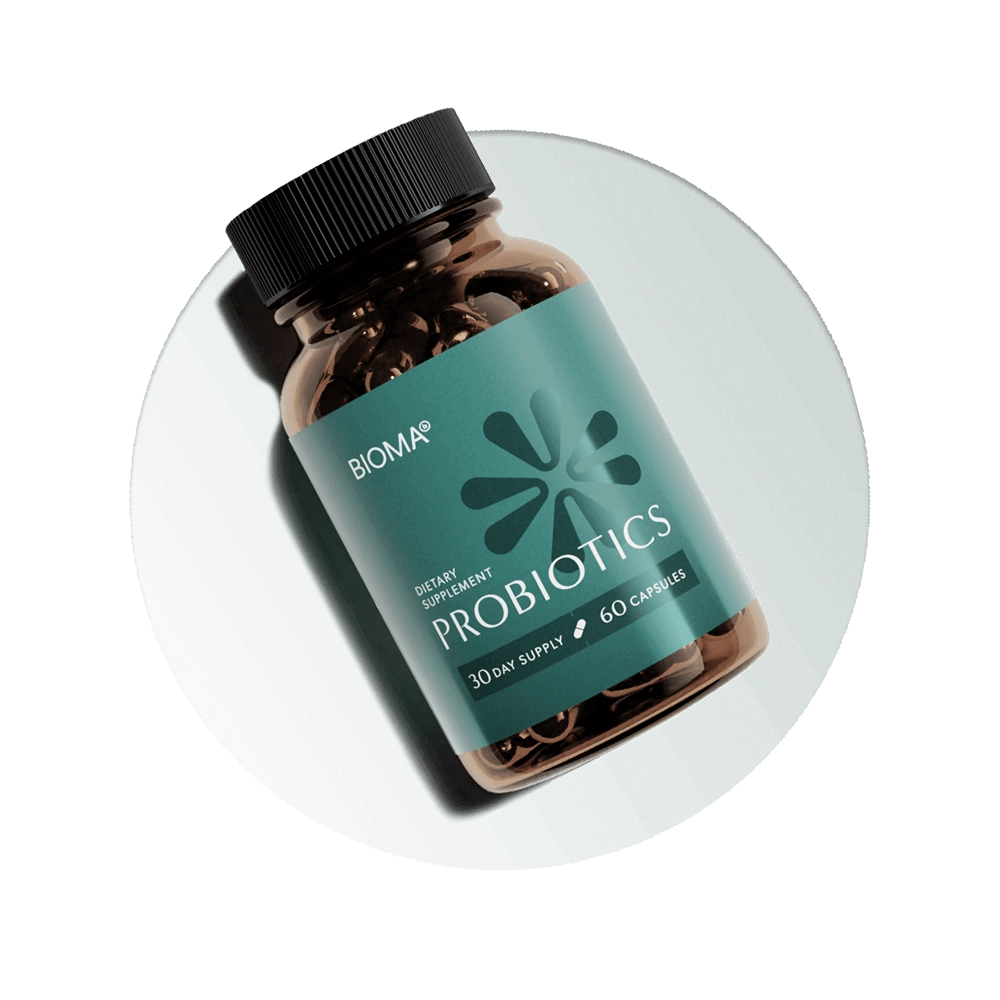
Here is where it gets fascinating. Your gut and brain are in constant conversation through the gut-brain axis, and roughly 90 percent of your serotonin, a chemical vital for mood and mental clarity, is produced in your digestive tract. As you age, your microbiome naturally shifts and can lose diversity, and low grade inflammation from an unbalanced gut has been linked with foggier thinking. Caring for your microbiome, then, is caring for your mind. Fiber rich plants, fermented foods and a well formulated Probiotics – gut health supplements support the bacteria that help keep inflammation low and neurotransmitters flowing. It is one of the most overlooked ways to protect cognition after 40.

Sleep, Stress and the Supplements Worth Considering
Sleep is when your brain clears metabolic waste and consolidates memory, so guarding 7 to 9 quality hours is non negotiable for a sharp mind. Chronic stress works against you, flooding the brain with cortisol that impairs the hippocampus, your memory center, which makes daily decompression a cognitive investment rather than a luxury.
As for supplements to improve cognitive function, a few have real support. Omega 3s benefit those who eat little fish, vitamin B12 matters because deficiency rises with age and directly clouds thinking, and vitamin D is worth testing since low levels track with poorer concentration. Creatine has drawn fresh interest too, with early research suggesting it may support cognitive function, especially when you are short on sleep. Test for gaps before you supplement, so every capsule earns its place.
Keep Your Brain Curious
Your mind stays sharp the same way a muscle does, through use. Learning genuinely new skills, such as a language, an instrument or a craft, drives neuroplasticity far more than repeating familiar puzzles. Reading, meaningful conversation and social connection all keep cognitive networks active, and there is evidence that staying socially engaged helps protect memory as you age. Choose challenges that feel a little effortful and a lot enjoyable, since your brain grows most at the edge of comfort.
Small Steps, Lasting Clarity
Improving cognitive function after 40 is rarely about one dramatic change. It is the quiet compounding of movement, nourishing food, a cared for gut, restorative sleep and lifelong curiosity. Pick the habit that feels easiest to start this week, let it settle, then add another. If you ever notice memory changes that feel sudden, worsening or disruptive to daily life, check in with your doctor to rule out treatable causes such as thyroid issues or nutrient deficiencies. Your brain has decades of brilliance ahead. Give it what it needs, and it will keep showing up for you.
Sources
- Kang, J.-H., Kim, C.-W. (2024). Effect of MIND diet on cognitive function in elderly: a narrative review with emphasis on bioactive food ingredients. Journal of Food Science and Nutrition. https://pmc.ncbi.nlm.nih.gov/articles/PMC10786772/
- Szuhany, K.L., Bugatti, M., Otto, M.W. A meta-analytic review of the effects of exercise on brain-derived neurotrophic factor. Journal of Psychiatric Research. https://pmc.ncbi.nlm.nih.gov/articles/PMC4314337/
- National Institutes of Health. Gut Microbiota and Women’s Health. https://pmc.ncbi.nlm.nih.gov/articles/PMC10384867/



Related articles


Less gut discomfort. More freedom to enjoy life.
Take our 1-min quiz to find out your gut type and get personalized advice and probiotics to relieve constipation, bloating, and other digestive issues.


