Late Night Snacking and Gut Health: The Real Impact


Late night snacking feels harmless in the moment. It is just a small bite before bed, something to relax with after a long day. But if it becomes a habit, it can quietly affect your digestion, energy, and even how your gut functions overnight. The question is not whether you should never eat at night. It is about understanding what actually happens in your body and how to make smarter choices that support both your gut health and long-term wellbeing.
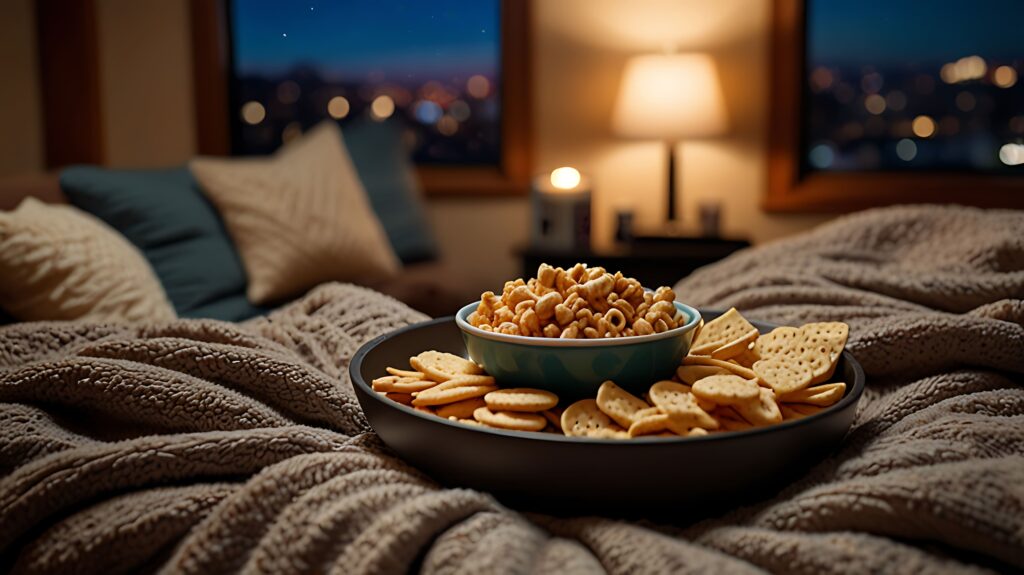
Why Late Night Snacking Feels So Hard to Resist
Late night cravings are not just about willpower. They are driven by a mix of biology and behavior. At night, your body naturally shifts toward rest mode. However, if you have not eaten enough during the day or your meals lacked balance, your body may signal hunger later in the evening. This is especially common when meals are low in protein or fiber.
There is also a psychological layer. Evenings are when stress catches up, routines slow down, and food becomes a form of comfort. Over time, this creates a habit loop where your brain starts to associate nighttime with snacking, even if you are not truly hungry.
What Happens in Your Body When You Snack Late at Night
Your body is not designed to digest food efficiently late at night. Digestion slows down as your circadian rhythm prepares you for sleep. When you eat during this window, your body has to switch back into active digestion mode. This can lead to discomfort, heavier digestion, and disrupted sleep quality.
Energy regulation also becomes less efficient. Late night eating can interfere with how your body processes nutrients, which may affect how you feel the next morning. You might wake up feeling sluggish, bloated, or less hungry for a proper breakfast. Over time, this pattern can create a cycle where late eating disrupts the next day’s appetite and energy balance.
How Late Night Snacking Affects Gut Health
Your gut has its own rhythm, just like the rest of your body. At night, your digestive system is meant to slow down and shift into repair mode. This is when your gut lining regenerates and your microbiome resets after a full day of digestion.
Late night snacking interrupts this process. Instead of focusing on recovery, your gut has to process incoming food. This can reduce the efficiency of overnight repair and may contribute to imbalance over time.
Irregular eating patterns can also affect the diversity and stability of your gut bacteria. When your gut does not have consistent periods of rest, it becomes harder to maintain a healthy rhythm.
Are Late Night Snacks Always Unhealthy?
Not necessarily. The problem is not eating at night itself, but how often, how much, and what you eat. An occasional light snack is unlikely to cause harm, especially if it is balanced and easy to digest. The issue arises when late night snacking becomes frequent, unstructured, and driven by cravings rather than actual hunger. Highly processed, sugary, or high-fat snacks tend to have the biggest negative impact. They are easy to overeat and harder for your body to process efficiently at night.
Late Night Snacking and Weight Gain: What’s the Real Link?
There is a common belief that eating late automatically leads to weight gain. The reality is more complex. Weight gain is primarily driven by total calorie intake and overall lifestyle patterns. However, late night snacking can make it easier to exceed your daily intake without realizing it. It also tends to involve less mindful eating. You are more likely to snack while distracted, which reduces awareness of portion sizes and satiety.
Interestingly, the idea of a “late night snack to lose weight” only works in very specific situations, such as when it prevents overeating later or stabilizes blood sugar. For most people, improving daytime nutrition is a more effective strategy.

Smart Late Night Snacks That Won’t Disrupt Your Gut
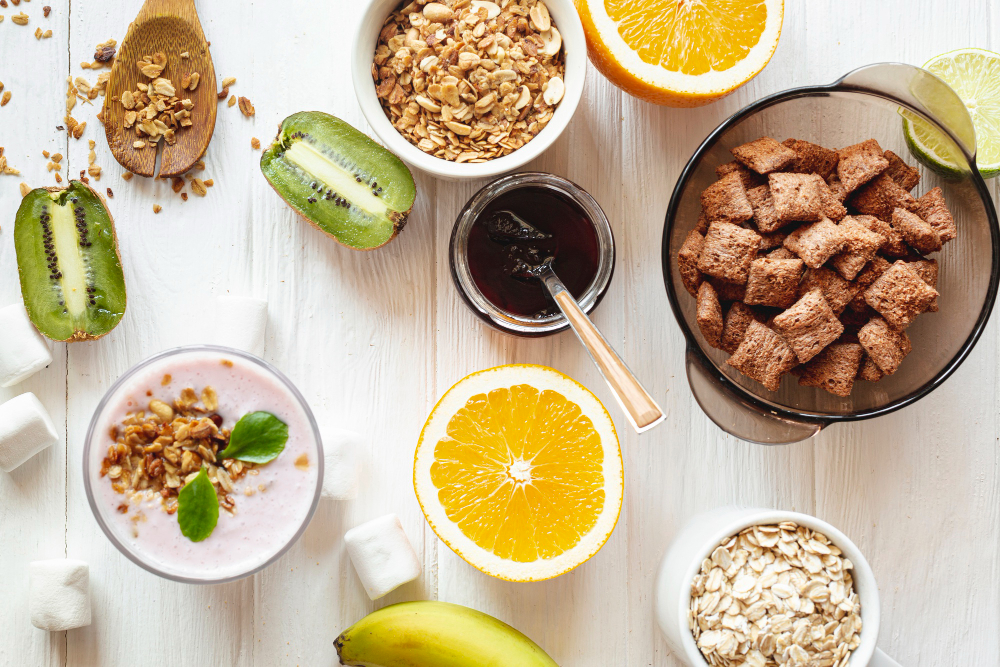
If you do feel genuinely hungry at night, the goal is not to ignore it but to choose better options. Light, balanced snacks that include some protein and fiber are generally easier on your digestive system. Think of foods that do not overload your gut or spike your blood sugar. Portion size also matters. A small, intentional snack is very different from continuous grazing.
How to Stop Late Night Snacking Without Extreme Dieting
Trying to eliminate late night snacking through strict rules rarely works long term. The more effective approach is to understand what is driving the habit and address it directly.
Start by looking at your daytime eating patterns. If your meals are unbalanced or inconsistent, your body will naturally compensate later in the evening. Ensuring that your meals include enough protein, fiber, and healthy fats can significantly reduce nighttime cravings.
Creating a clear evening routine also helps. When your brain knows that eating time is over, it becomes easier to break the habit loop. This can be as simple as having a set “kitchen closed” time or replacing snacking with another relaxing activity.
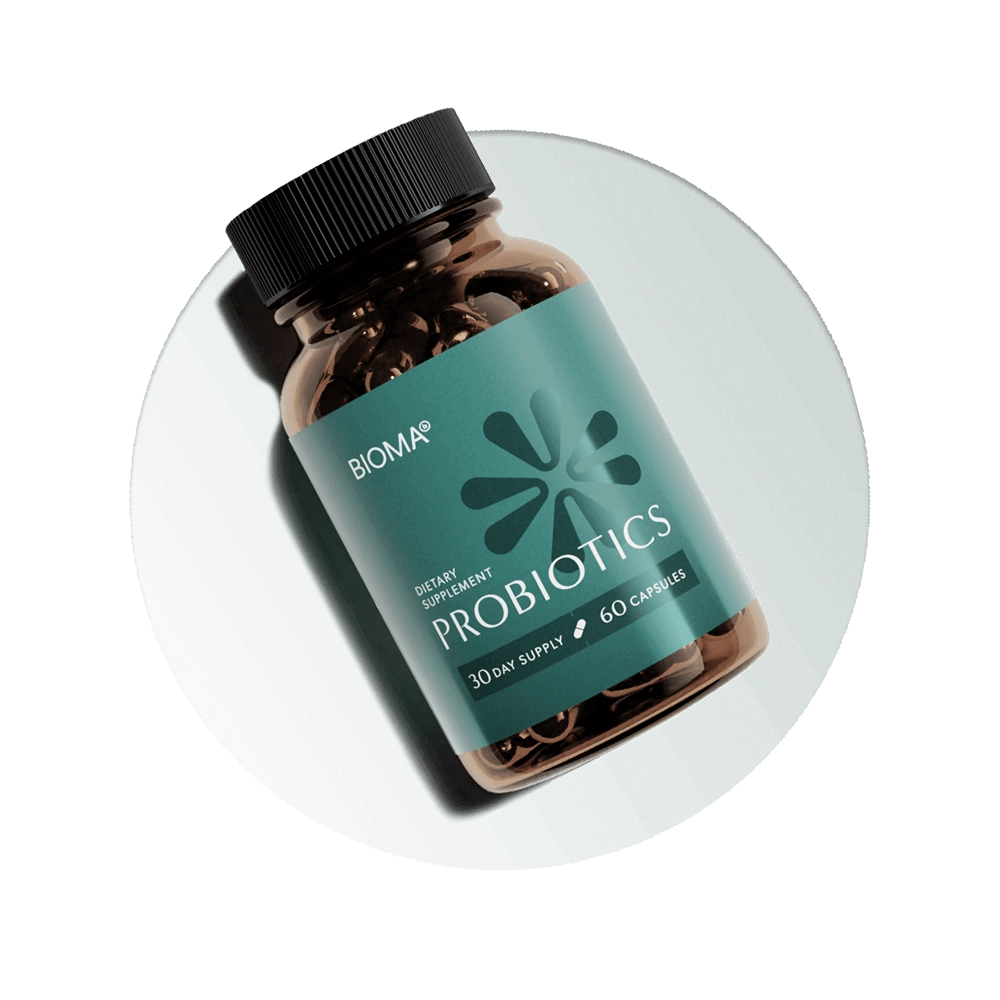
Supporting your gut can also play a role. When your digestion is out of balance, cravings and irregular hunger signals can become more common. This is where targeted gut support can be useful. Bioma Lose Weight And Power Your Gut probiotics, combine beneficial bacteria with nutrients that help regulate digestion and support microbiome balance. Over time, this can help stabilize appetite signals and reduce the urge to snack late at night.
The goal is not restriction. It is creating a system where your body no longer feels the need to ask for food at the end of the day.

Interactive: Are You Actually Hungry or Just Snacking Out of Habit?
Before reaching for a late night snack, pause for a moment and check in with your body
Quick Gut Check: Why Are You Snacking?
1. When was your last proper meal?
2. Would you eat a full meal right now?
3. What are you craving?
4. How do you feel right now?
Should You Stop Snacking Late at Night?
Late night snacking is not inherently bad, but it can become a problem when it turns into a daily habit driven by imbalance. Your body needs time at night to rest, repair, and reset. Constantly interrupting that process with food makes it harder for your gut and metabolism to function optimally. The solution is not strict restriction. It is better structure during the day, more awareness in the evening, and supporting your gut so it works with you, not against you. When your system is balanced, late night cravings naturally become less frequent and easier to manage.


Related articles


Less gut discomfort. More freedom to enjoy life.
Take our 1-min quiz to find out your gut type and get personalized advice and probiotics to relieve constipation, bloating, and other digestive issues.


