How to Get Rid of Food Noise: Lifestyle, Nutrition, and Mindset Tips


That endless mental chatter about your next snack, the pull toward the kitchen even when you are full, the way food seems to hum in the background of every afternoon. If that soundtrack feels exhausting, you are not weak and you are not broken. You are experiencing food noise, and the good news is that it responds beautifully to a handful of everyday changes. Here is how to turn the volume down, gently and sustainably.
First, Know What You Are Working With
Food noise is the persistent, intrusive stream of thoughts about eating that shows up whether or not your body needs fuel. GLP-1 medications have made the term famous because they quiet that noise for many people, yet they come with cost and side effects that lead lots of women to look for gentler options. The reassuring truth is that much of food noise is driven by things you can influence directly: blood sugar swings, restriction, stress and an unbalanced gut. Address those, and the chatter softens on its own.
Nutrition Tips That Quiet the Noise
Most food noise starts with unstable blood sugar. When glucose spikes and crashes, your brain reads the dip as an emergency and floods you with thoughts of food. To reduce food noise naturally, build meals that keep that line steady.
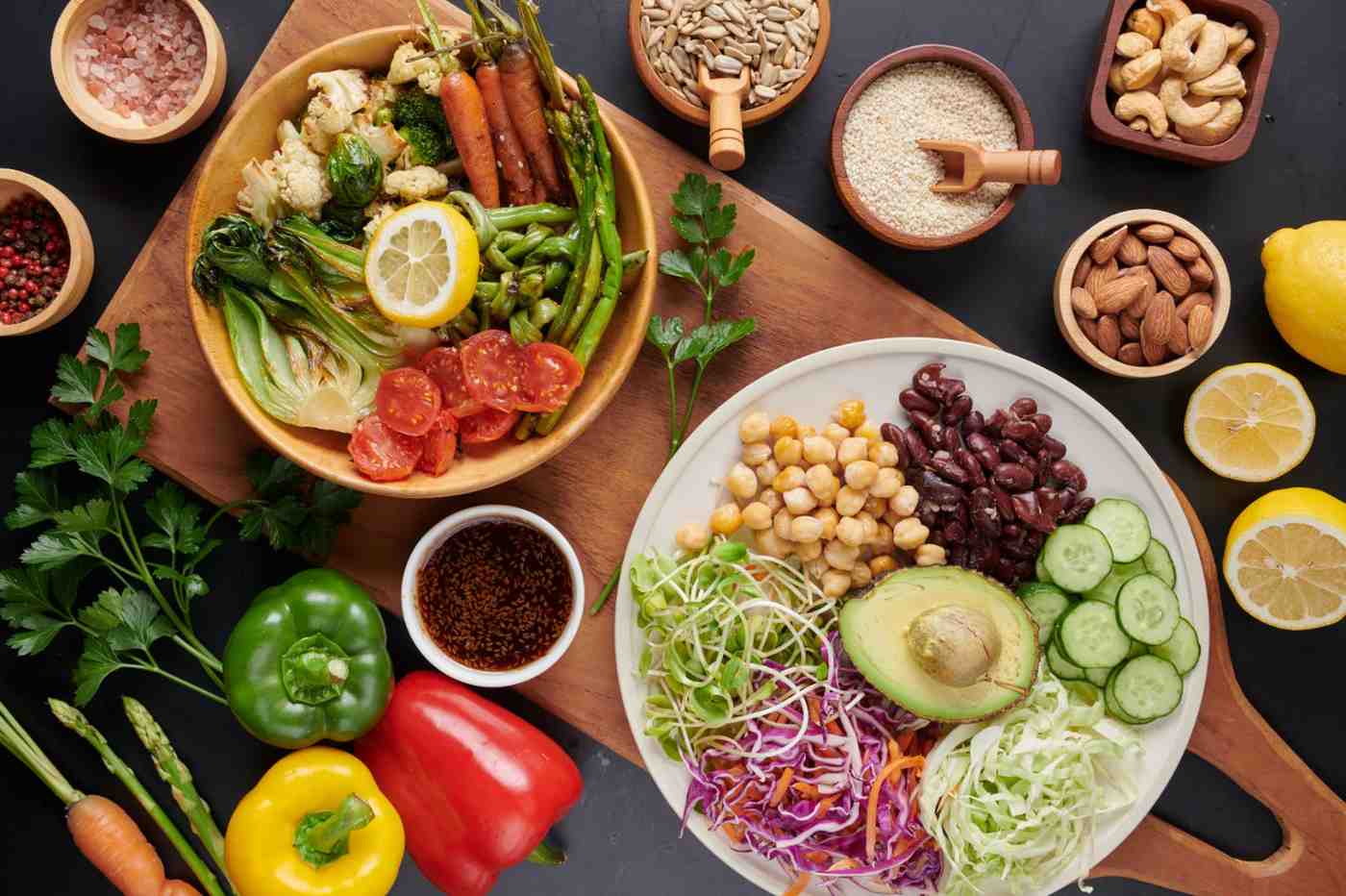
Here is what tends to help most, and why.
| What helps | Why it quiets food noise |
|---|---|
| Protein at every meal | Triggers fullness hormones and blunts cravings for hours |
| Fiber rich vegetables and legumes | Slow digestion, steadier blood sugar, a happier gut |
| Healthy fats like olive oil and avocado | Keep you satisfied so hunger signals stay honest |
| Regular meals, not skipping | Prevents the ravenous crash that amplifies the noise |
| Apple cider vinegar before carb heavy meals | May slow glucose spikes and support a smoother response |
That last one is why so many women reach for Apple Cider Vinegar Gummies. Taken before a meal, apple cider vinegar has been shown in small studies to blunt the post meal blood sugar rise, and a gentler curve often means fewer intrusive cravings an hour later. Pair it with protein and fiber and you give your body three overlapping reasons to stay calm around food.

Lifestyle Habits That Turn Down the Volume
Sleep is the quietest hero here. A single short night raises ghrelin, your hunger hormone, and lowers leptin, the one that signals fullness, so poor sleep practically writes the food noise script for you. Protect 7 to 9 hours and notice how much softer the next day feels.
Movement helps too, though not in the way most people assume. A brisk walk does not just burn calories, it lowers stress hormones and steadies mood, both of which quiet cue driven eating. Even ten minutes counts. And stay hydrated, since thirst is a master impersonator of hunger and a glass of water often silences a craving that felt urgent a moment earlier.
Mindset Shifts That Make the Biggest Difference
Here is where lasting change lives. Food noise thrives on restriction. The more a food becomes forbidden, the louder your mind insists on it, which is why strict diets so often backfire. Giving yourself unconditional permission to eat the foods you love, in a calm and present way, removes the scarcity that fuels the obsession.
Practice pausing when a food thought arrives. Ask yourself whether your stomach is actually hungry or whether you are bored, stressed or tired. This tiny gap between thought and action, repeated daily, retrains your response over time. Eating slowly and without screens deepens the effect, because your brain gets the full experience of the meal and registers satisfaction it would otherwise miss.
Why Your Gut Deserves a Starring Role
Underneath nutrition, sleep and mindset sits your microbiome, quietly influencing all of it. Your gut bacteria help produce the neurotransmitters that regulate appetite and mood, and they shape how steadily you absorb glucose from a meal. When that community falls out of balance, cravings and food preoccupation often intensify. Feeding your gut with fiber, fermented foods and steady, whole meals supports the very system that helps keep food noise in check, which is why gut care belongs in any plan to quiet it.

Common Mistakes That Make Food Noise Louder
Sometimes the very things we reach for to quiet food noise end up amplifying it, so it is worth naming them. The biggest one is restriction. Cutting out whole food groups or slashing calories signals scarcity to your brain, which responds by turning up the volume on exactly the foods you are avoiding. Skipping meals to save room does the same, setting off a blood sugar crash that makes an afternoon of intrusive thoughts almost inevitable.
Relying on willpower alone is another trap. Willpower is a limited resource that fades as the day goes on, which is why evenings are so often the loudest. A far kinder and more effective approach is to change your environment and your meals so the noise has less to feed on in the first place. Stocking satisfying, balanced food, eating on a steady rhythm and keeping tempting cues a little less visible does more than any amount of internal negotiation. Working with your biology, rather than against it, is what makes the quiet last.
Give It Time, and Be Kind to Yourself
Food noise rarely disappears overnight, and that is completely normal. Most women notice the volume dropping within two to four weeks of steadier meals, better sleep and a softer mindset. If your thoughts about food feel truly relentless, distressing or tied to a pattern of restriction and loss of control, please reach out to a doctor or a registered dietitian, since support makes a real difference and you deserve it. Turning down food noise is less about willpower and more about giving your body and mind what they have been asking for all along. Start with one meal today, and let the quiet build from there.
Sources
- May, M. (2025). How to Quiet Food Noise Without Medication. Psychology Today. https://www.psychologytoday.com/us/blog/words-hold-weight/202511/how-to-quiet-food-noise-without-medication
- Arjmandfard, D., et al. (2025). Effects of apple cider vinegar on glycemic control and insulin sensitivity in patients with type 2 diabetes: A meta-analysis. Frontiers in Nutrition. https://www.frontiersin.org/journals/nutrition/articles/10.3389/fnut.2025.1528383/full
- Shishehbor, F., Mansoori, A., Shirani, F. (2017). Vinegar consumption can attenuate postprandial glucose and insulin responses. Diabetes Research and Clinical Practice. https://www.diabetesresearchclinicalpractice.com/article/S0168-8227(16)30851-8/abstract
- Quieting “Food Noise”: How GLP-1s and Mindfulness Rewire the Default Mode Network and Reward Circuits. https://www.ncbi.nlm.nih.gov/pmc/articles/PMC12770913/



Related articles


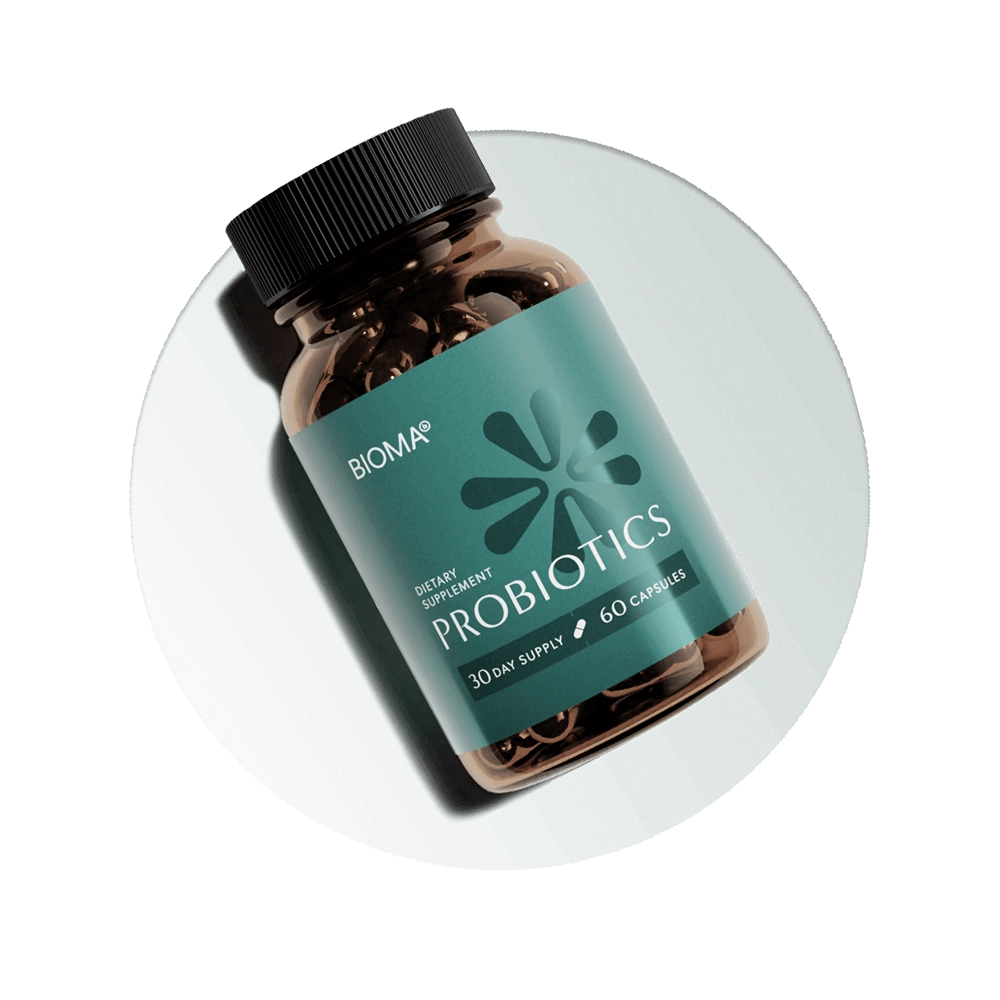
Less gut discomfort. More freedom to enjoy life.
Take our 1-min quiz to find out your gut type and get personalized advice and probiotics to relieve constipation, bloating, and other digestive issues.


