How Do You Know If Your Gut Is Healthy? Take the Quiz


A healthy gut is difficult to judge from one symptom, one food, or one bathroom trip. Digestion naturally changes from day to day, and there is no single symptom or consumer score that can tell you whether your gut microbiome is perfectly healthy.
What you can do is look at patterns. Comfortable digestion, reasonably predictable bowel habits, the ability to eat a varied diet, and lifestyle habits that support the gut can all give useful context. Frequent pain, persistent bowel changes, or digestive symptoms that interfere with daily life deserve more attention.
Use the guide and interactive quiz below as a practical gut check, not as a diagnosis of your microbiome.
What Does a Healthy Gut Usually Look Like?
There is no single definition that applies to everyone. A healthy digestive system generally performs its basic jobs without creating frequent or severe symptoms. Some useful signs include:
- Bowel movements that are comfortable and reasonably predictable for you
- Little or no persistent abdominal pain
- Bloating and gas that are occasional rather than constantly disruptive
- The ability to eat a reasonably varied diet
- No unexplained blood in the stool, repeated vomiting, or unintended weight loss
Normal bowel frequency also varies considerably. Some healthy people have bowel movements several times per day, while others go less frequently. Comfort, stool form, consistency, and changes from your own usual pattern are often more informative than trying to hit one “perfect” bowel movement number.

How Do You Know If Your Gut Microbiome Is Healthy?
This is where things become more complicated.
Your gut microbiome contains a huge community of microorganisms, and scientists still do not have one universally accepted microbial pattern that defines a perfectly healthy gut for every person.
High microbial diversity is often discussed as desirable, but microbial diversity alone cannot diagnose gut health. Diet, medications, age, geography, illness, sleep, and many other factors can influence microbiome composition.
That also means feeling bloated after one meal does not automatically mean you have a “bad microbiome.” Digestive symptoms can have many possible causes, including constipation, food intolerances, reflux, infections, medications, irritable bowel syndrome, and other gastrointestinal conditions. A more useful question is: does your digestion generally feel comfortable and predictable, and are your daily habits supporting it?
Take the 1 Minute Gut Health Quiz
Answer based on how you have generally felt during the past two to four weeks, rather than one unusually good or bad day. The quiz looks at digestive comfort, bowel habits, food variety, fiber, movement, sleep, and whether digestive symptoms are affecting daily life.
It cannot diagnose your microbiome or a gastrointestinal condition. Its purpose is to help you notice patterns and identify areas that may deserve more attention.
How Is Your Gut Doing Lately?
Choose the answer that best describes the past two to four weeks. This quiz organizes digestive symptoms and everyday habits. It cannot diagnose your microbiome or a digestive condition.
What Your Gut Health Quiz Result Means
A higher score suggests that your answers reflect relatively comfortable digestion and several supportive everyday habits. It does not prove that every bacterial species in your microbiome is “ideal.”
A middle score usually means there are a few symptoms or lifestyle areas worth paying attention to. Instead of changing five things at once, choose one of the areas where you scored lower and see whether a practical adjustment makes a noticeable difference.
A lower score deserves more attention, particularly when digestive symptoms regularly interfere with work, eating, sleep, or normal daily life. Lifestyle habits can support digestive health, but persistent symptoms should not automatically be blamed on a microbiome imbalance.
Why Is My Gut Health So Bad?
If your digestion feels unpredictable, it is tempting to search for one explanation. In reality, several factors can overlap. Common contributors can include:
- Low fiber intake
- Sudden dietary changes
- Stress
- Disrupted sleep
- Low physical activity
- Certain medications
- Infections
- Food intolerances
- Gastrointestinal conditions
Constipation can also contribute to bloating and abdominal discomfort, while diarrhea can have many different causes. If symptoms appeared suddenly or continue for weeks, guessing at the cause can delay appropriate treatment. A useful first step is to track what is actually happening. Note digestive symptoms, bowel movement changes, major food changes, medications, travel, stress, and sleep. A short record can reveal patterns that are difficult to remember later.
Habits That Support Gut Health
Supporting gut health does not require turning every meal into a wellness project.
Eat More Fiber Rich Plant Foods
Vegetables, fruits, whole grains, legumes, nuts, and seeds provide different types of fiber and plant compounds that interact with the digestive system and microbiome. If your current diet is relatively low in fiber, increase it gradually rather than making a dramatic overnight change, since a sudden increase may lead to more gas or bloating.
Move Regularly
Movement is another basic part of digestive health. You do not need an extreme workout plan. Regular walking, exercise, and simply breaking up long periods of sitting can all form part of a healthier routine.
Keep Meals and Sleep Reasonably Consistent
Meal timing and sleep do not need to be perfect every day. What matters more is avoiding constant disruption when possible. Regular meals, sufficient fluids, movement, and a reasonably predictable sleep routine give your digestive system a more consistent daily environment.
Use Supplements as an Addition to the Basics
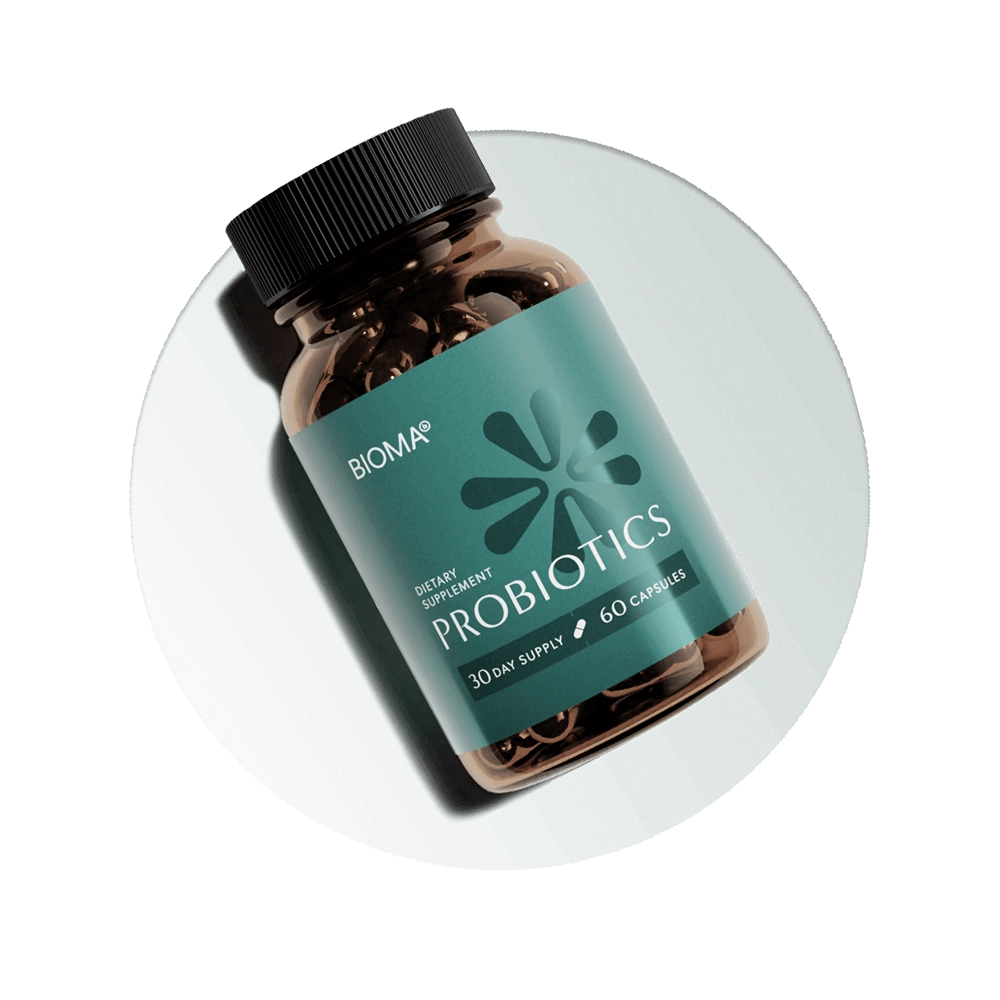
If supplements are already part of your wellness routine, choose them as an addition to food, movement, sleep, and other fundamentals. Bioma probiotics for gut health combine Bifidobacterium breve, Bifidobacterium longum, and Bifidobacterium lactis with XOS prebiotics and tributyrin. A probiotic can be part of a gut health routine, but it should not be used to self diagnose persistent digestive symptoms.

When Gut Symptoms Are a Red Flag
Some digestive symptoms deserve medical attention regardless of your quiz score. Seek medical advice if you experience:
- Blood in the stool or black stools
- Severe or persistent abdominal pain
- Repeated vomiting
- Unexplained weight loss
- Fever with significant digestive symptoms
- Severe or prolonged diarrhea
- Significant changes in bowel habits that do not improve
Symptoms that repeatedly wake you from sleep or make it difficult to eat normally also deserve evaluation. A gut health quiz can help organize what you are noticing, but it cannot rule out a gastrointestinal condition.
What Your Gut Is Telling You
You do not need perfect digestion every day to have a healthy gut. Occasional gas, bloating, constipation, or changes in bowel habits can happen even when someone is generally healthy.
The more useful signals are patterns: whether digestion is usually comfortable, whether you can eat a varied diet, whether symptoms are becoming more frequent, and whether your daily routine supports digestive health.
Take the quiz as a starting point. If it reveals one or two weaker areas, work on those gradually. If it highlights frequent or disruptive symptoms, use that information to have a more informed conversation with a healthcare professional.
Sources
- National Institute of Diabetes and Digestive and Kidney Diseases. Your Digestive System & How It Works.
Read the NIDDK overview - National Institute of Diabetes and Digestive and Kidney Diseases. Constipation.
Read the NIDDK constipation guidance - National Center for Complementary and Integrative Health. Probiotics: What Do We Know?
Read the NCCIH probiotic overview - Bioma Health. Probiotics for Gut Health.
Learn more about Bioma Probiotics
Related articles



Less gut discomfort. More freedom to enjoy life.
Take our 1-min quiz to find out your gut type and get personalized advice and probiotics to relieve constipation, bloating, and other digestive issues.


