Dopamine, Sugar, and Your Gut: The Hidden Addiction Cycle


You reach for something sweet, get a quick boost of energy, and for a moment everything feels easier. Then, not long after, your energy drops, your focus disappears, and the craving comes back. This cycle feels like a lack of discipline, but in reality, it is driven by biology. At the center of this loop are dopamine, blood sugar, and your gut. These systems constantly interact, shaping your cravings, energy levels, and even your motivation. Once you understand how they work together, it becomes much easier to break the cycle instead of getting stuck in it.
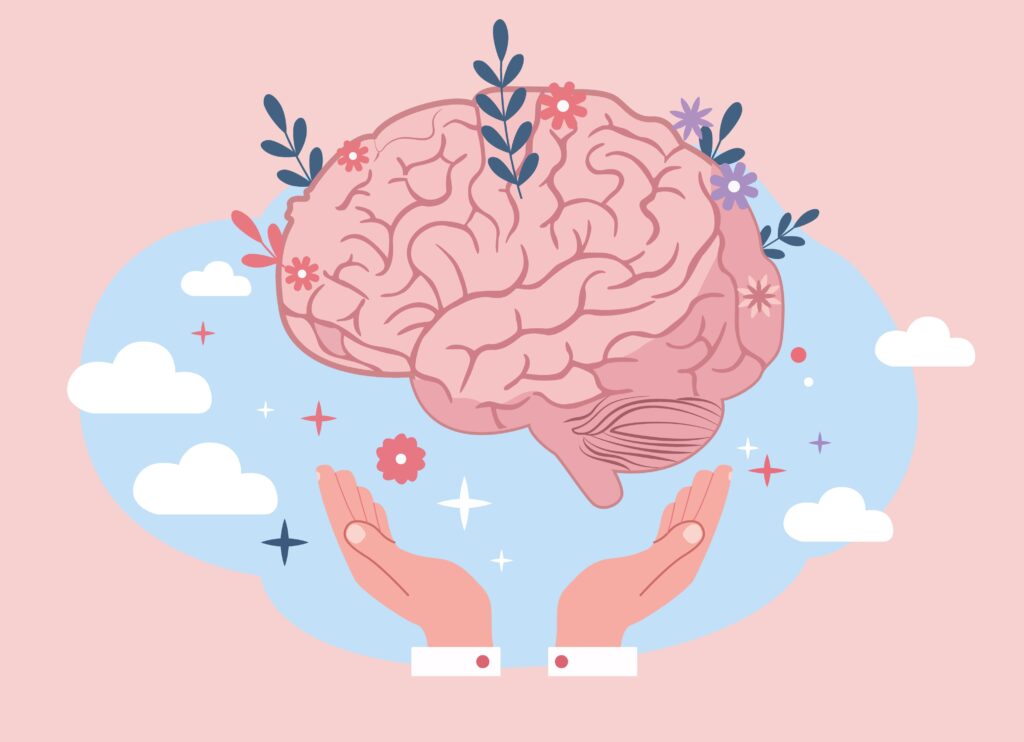
What Is Dopamine, Sugar, Gut Connection and What Does It Actually Do?
Dopamine is a neurotransmitter that plays a key role in motivation, reward, and behavior. It is released when your brain expects or experiences something rewarding, such as food, achievement, or even scrolling on your phone. This signal tells your brain that something is worth repeating. Sugar interacts directly with this system. When you consume sugar, it triggers a rapid dopamine release, creating a strong sense of reward. At the same time, your gut is involved in processing that food and sending signals back to your brain through the gut-brain axis.
This means dopamine is not just a brain chemical working in isolation. It is part of a larger system that includes your digestion, your microbiome, and your energy regulation. When these systems are aligned, your motivation feels stable. When they are not, you start to feel stuck in repetitive cycles.
When Is Dopamine Released and Why It Matters
Dopamine is released both when you experience something pleasurable and when you anticipate it. This is important because it means your brain starts reacting before the reward even happens. Just thinking about a sugary snack or seeing it can trigger the desire. This anticipation is what drives repeated behaviors. The brain learns to associate certain actions with reward, and over time, it begins to prioritize them. This is why habits around food, especially sugar, can feel automatic. The problem is not dopamine itself, but how frequently and intensely it is triggered. When the system is overstimulated, your brain becomes less sensitive, which means you need stronger or more frequent stimuli to feel the same effect.
How Sugar Hijacks Your Dopamine System
Sugar creates one of the fastest and most noticeable dopamine responses. It delivers quick energy and a strong reward signal at the same time, which makes it highly reinforcing. This combination is what makes sugar so difficult to regulate for many people.
The cycle usually follows a predictable pattern. First, there is a spike in dopamine and blood sugar, which feels energizing and rewarding. Then comes the crash, where blood sugar drops and dopamine levels decrease. This leads to fatigue, irritability, and another craving. Over time, this pattern trains your brain to rely on quick rewards instead of stable energy. The more often this happens, the more your system starts to depend on sugar to feel normal rather than as an occasional treat.
The Gut’s Role in the Dopamine Cycle
Your gut plays a much bigger role in this cycle than most people realize. The gut microbiome helps regulate digestion, nutrient absorption, and even signals that influence your brain. These signals can affect both cravings and mood. Certain gut bacteria thrive on sugar and processed foods. When these bacteria become more dominant, they can influence your cravings, making you more likely to reach for the same types of foods. This creates a feedback loop where your diet shapes your microbiome, and your microbiome shapes your behavior. At the same time, your gut contributes to the production and regulation of neurotransmitters. When your gut is out of balance, these signals become less stable, which can affect your motivation, focus, and overall mental state.
Blood Sugar Levels and Mood Swings
Blood sugar is one of the most immediate factors affecting how you feel throughout the day. When your blood sugar rises quickly, you may feel a temporary boost in energy and focus. However, this is often followed by a sharp drop, which can leave you feeling tired and unmotivated.
These fluctuations affect not only your physical energy but also your mood and decision-making. During a crash, your brain looks for the fastest way to restore energy, which usually means more sugar or quick carbohydrates. This pattern can repeat multiple times a day, creating a cycle of highs and lows. Over time, it becomes harder to maintain consistent energy, and your motivation starts to depend on external inputs rather than internal stability.

Signs of Low Dopamine You Shouldn’t Ignore
When dopamine signaling is low or unstable, the symptoms often show up in subtle but persistent ways. You may feel unmotivated even when you know what you need to do. Tasks feel harder to start, and it becomes easier to procrastinate.
Fatigue is another common sign, especially when it is not explained by lack of sleep. You might also experience frequent cravings for sugar or quick rewards, which is your brain trying to compensate for low stimulation.
Brain fog, reduced focus, and a general sense of low drive can also indicate that your system is out of balance. These symptoms are not just mental, they often reflect underlying issues with energy regulation and gut function.
How to Break the Dopamine–Sugar–Gut Cycle
Breaking this cycle does not require extreme restriction. In fact, overly strict approaches often make the problem worse by increasing cravings and reinforcing the reward loop. The goal is to create more stability in your system.
One of the most effective changes is stabilizing your blood sugar. This means focusing on balanced meals that include protein, fiber, and healthy fats. These nutrients slow down digestion and provide more consistent energy, which reduces the need for quick fixes.
Reducing the frequency of sugar spikes is also important. Instead of eliminating sugar completely, spacing out high-sugar foods and pairing them with more balanced meals can help minimize the impact on your system.
Supporting your gut is another key step. When your microbiome is more balanced, cravings tend to decrease, and your digestion becomes more efficient. This creates a more stable foundation for both energy and motivation.
Where Gut Support Can Help Stabilize the Cycle
Your gut is one of the most effective leverage points in this entire cycle. When your microbiome is balanced, your body processes food more efficiently, your energy becomes more stable, and your cravings are easier to manage.
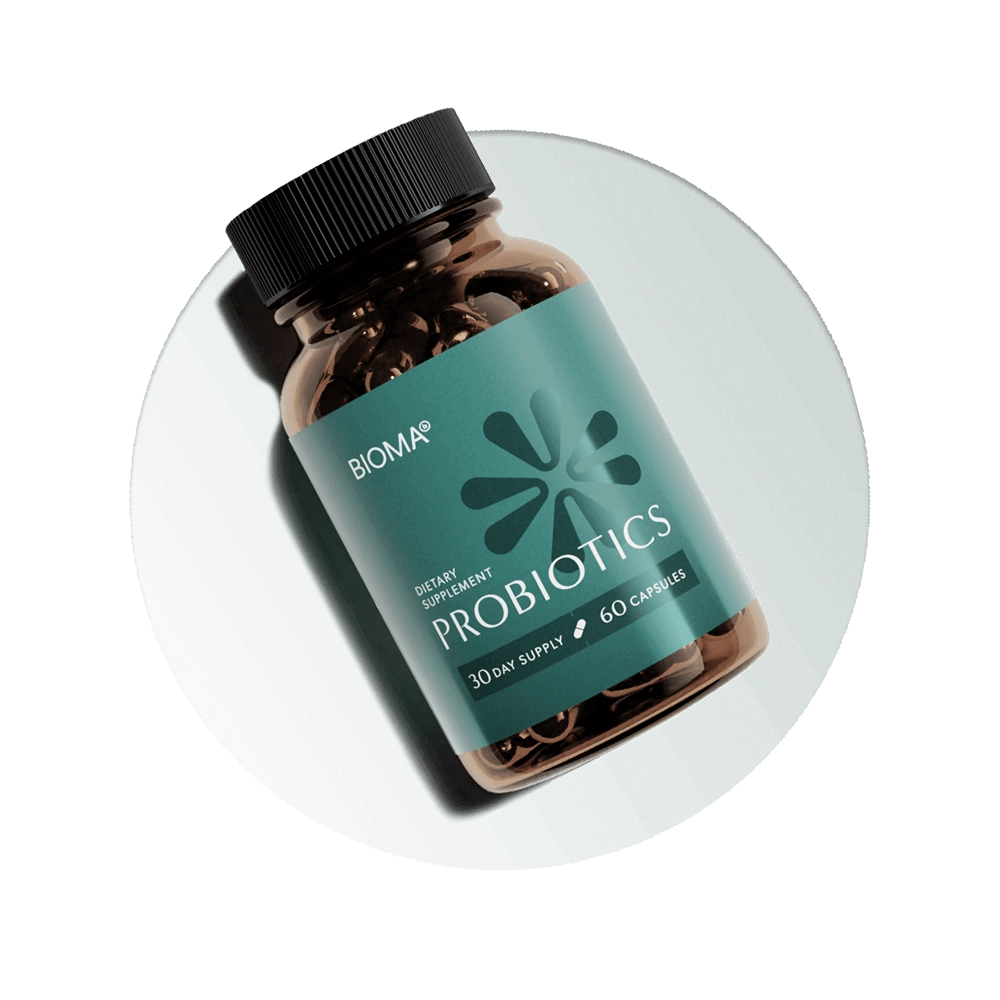
This is where targeted solutions like Bioma probiotics can play a role. They are designed to support beneficial gut bacteria and improve digestion, which helps regulate the signals sent between your gut and brain. Over time, this can reduce the intensity of cravings and support more consistent energy levels.
Improving gut balance is not an instant fix, but it creates long-term stability. When your system is working properly, you are less dependent on quick dopamine spikes and more able to maintain steady motivation.

Why It’s Not Just About Willpower
The dopamine–sugar–gut cycle is not a matter of willpower. It is a biological loop that influences how you feel, what you crave, and how you act. When your system is out of balance, your behavior follows that imbalance. Understanding this changes the approach completely. Instead of blaming yourself, you start adjusting the inputs that shape your system. With more stable energy, better gut health, and fewer spikes, motivation becomes more consistent and easier to maintain. You are not fighting your brain. You are learning how to work with it.


Related articles


Less gut discomfort. More freedom to enjoy life.
Take our 1-min quiz to find out your gut type and get personalized advice and probiotics to relieve constipation, bloating, and other digestive issues.


