Do You Really Need 30 Plants a Week for Better Gut Health?

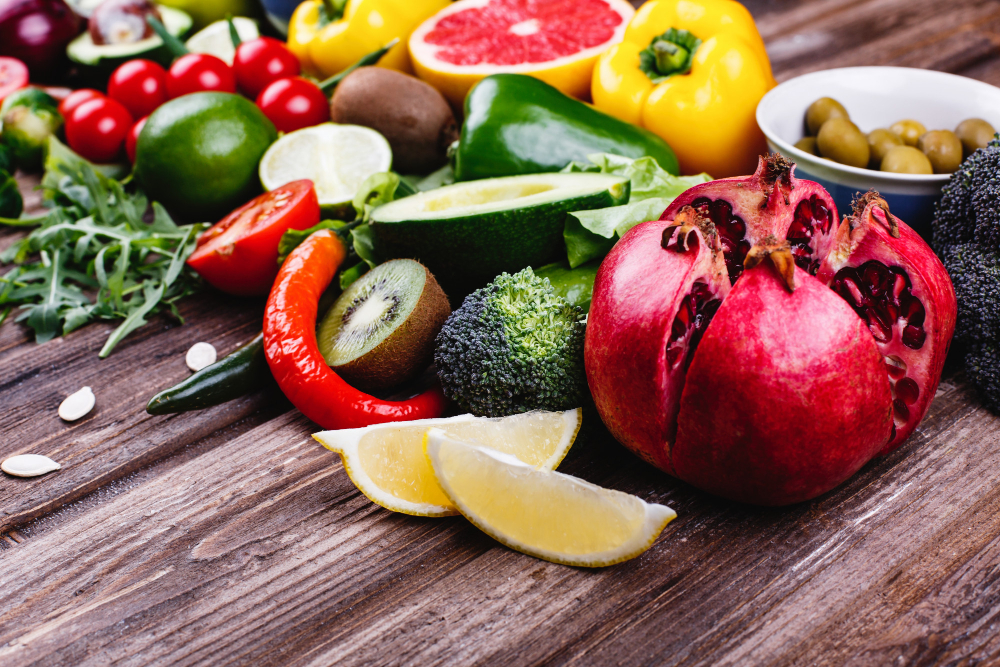
Eating 30 plants a week has become one of the most popular gut health challenges online. The number sounds specific enough to feel scientific, which naturally raises two questions: does your gut actually need 30 different plants, and what counts toward the total?
The short answer is that 30 is a useful diversity target, not a magic gut health threshold. The idea comes largely from the American Gut Project, where people reporting more than 30 different plant foods per week showed different and generally more diverse microbial patterns than people eating fewer than 10. The study was observational, so it cannot tell us that plant number 30 suddenly changes your microbiome.
A better way to use the idea is as a weekly challenge: keep eating the plants you already enjoy, then gradually add more variety.
What Is the 30 Plants a Week Rule?
Use this quick checklist to understand the idea before you start counting:
5 Things to Know About the 30 Plants Rule
Check each point as you go. Once these five ideas are clear, you are ready to start counting your plants for the week.
The original American Gut research found associations between dietary plant diversity and microbial composition. Researchers identified several potential short chain fatty acid producing microbes associated with consuming more than 30 plant types compared with fewer than 10.
That is interesting evidence for diversity, although it does not prove that someone eating 29 plants has an unhealthy gut while someone eating 30 has a healthy one.
30 Different Plants a Week: What Counts?
There is no universally standardized clinical scoring system for the 30 plants a week challenge. Some popular trackers award fractions of points for herbs and spices, while others count every unique plant once.
For our checklist, keep it simple: count each different whole or minimally processed plant once during the week.
Count these
- Vegetables
- Fruits
- Beans and legumes
- Whole grains
- Nuts
- Seeds
- Herbs
- Spices
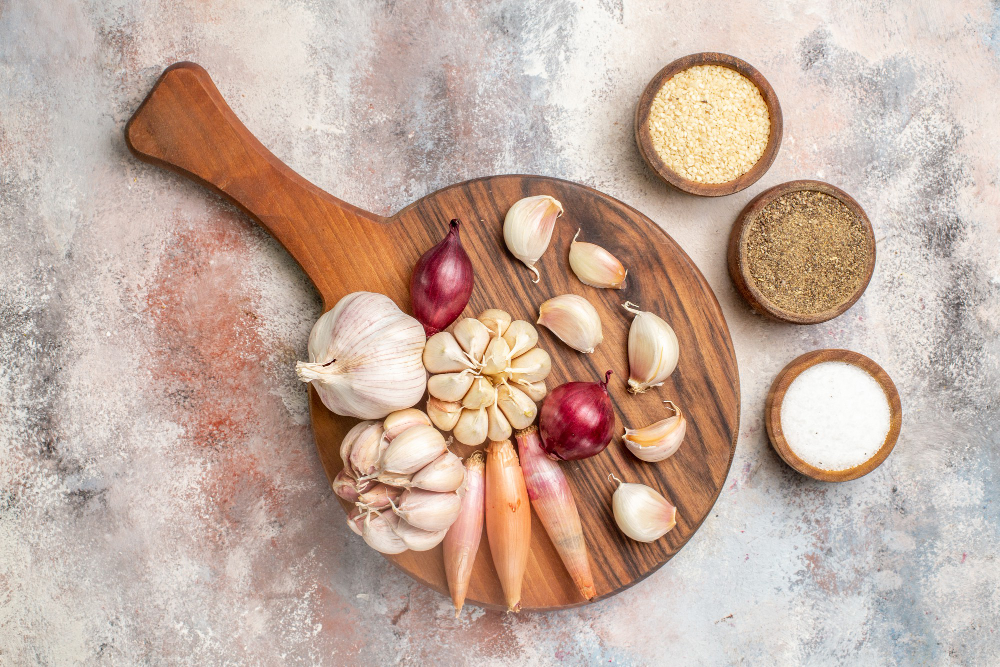
Foods such as oats, lentils, almonds, chia seeds, garlic, berries, quinoa, chickpeas, parsley, and broccoli can all help increase dietary diversity. Highly refined foods are less useful for this exercise. Instead of debating whether a tiny ingredient in a packaged snack deserves a point, focus your 30 plants a week list on recognizable plant foods that contribute fiber, polyphenols, micronutrients, or other plant compounds.
Your 30 Plants a Week Checklist
You do not have to eat these exact foods. Think of this as a starter list that shows how quickly 30 can add up.
Vegetables
- Spinach
- Broccoli
- Carrot
- Bell pepper
- Tomato
Fruits
- Apple
- Blueberries
- Banana
- Orange
- Avocado
Beans and legumes
- Chickpeas
- Lentils
- Black beans
- Edamame
- Green peas
Whole grains
- Oats
- Quinoa
- Barley
- Brown rice
- Whole wheat
Nuts and seeds
- Almonds
- Walnuts
- Chia seeds
- Flaxseed
- Pumpkin seeds
Herbs, spices, and flavor builders
- Garlic
- Onion
- Parsley
- Cinnamon
- Ginger
If your first result is 14, that gives you a starting point. Next week, try 17. Increasing variety gradually is far more useful than treating the challenge as pass or fail.
How to Eat 30 Plants a Week Without Making 30 Recipes
The easiest strategy is plant stacking. Add several different plants to meals you already make instead of creating a completely new recipe for every ingredient.
Breakfast shortcut
Start with oatmeal and add:
- Oats
- Blueberries
- Banana
- Chia seeds
- Walnuts
- Cinnamon
One breakfast can give you six different plants.
Lunch shortcut
Build a grain bowl with:
- Quinoa
- Chickpeas
- Spinach
- Tomato
- Cucumber
- Parsley
You can add another six plants without preparing six separate dishes.
Dinner shortcut
Make a stir fry with:
- Brown rice
- Broccoli
- Bell pepper
- Edamame
- Mushrooms
- Ginger
The goal is variety inside familiar meals. Mixed nuts, frozen vegetable blends, mixed berries, grain combinations, soups, salads, and bean mixes can make the challenge considerably easier.
A Simple 30 Plants a Week Meal Plan
You do not need seven days of complicated 30 plants a week recipes. Use this as a flexible meal-plan scaffold and continue eating your normal protein sources, meals, and snacks around it.
Day 1: oats, blueberries, chia, walnuts, cinnamon
Running total: 5
Day 2: quinoa, chickpeas, spinach, tomato, cucumber
Running total: 10
Day 3: brown rice, broccoli, bell pepper, edamame, ginger
Running total: 15
Day 4: apple, banana, flaxseed, almonds
Running total: 19
Day 5: lentils, sweet potato, kale, onion, garlic
Running total: 24
Day 6: whole wheat, avocado, pumpkin seeds
Running total: 27
Day 7: orange, barley, green peas
Running total: 30
Repeating plants is completely fine. If you have blueberries again on Friday, they simply remain one unique plant on your 30 plants a week tracker.
Do You Need to Reach 30 Every Week?
Use these questions instead of treating 30 as a strict rule:
- Am I eating more than the same two or three vegetables every week?
- Do I include whole grains, legumes, nuts, or seeds regularly?
- Am I getting enough fiber overall?
- Can I add one or two new plant foods without making meals stressful?
- Does my digestive system tolerate the amount of fiber I am currently eating?
If you said yes to most of these questions, you are already focusing on the more important principle: dietary diversity.
The British Nutrition Foundation notes that the research behind the 30 plants recommendation provides an interesting snapshot of diet and microbiome differences, although it does not provide strong evidence that everyone specifically needs 30 plants each week.
Do 30 Plants Replace Your Daily Fiber Goal?
No. Plant variety and fiber intake overlap, but they measure different things. According to NIDDK, adults generally need around 22 to 34 grams of fiber per day, depending on age and sex. Fiber rich foods include legumes, whole grains, fruits, vegetables, and nuts. If you currently eat very little fiber, increase it gradually and drink enough fluids as your intake rises.
That means someone could technically collect many tiny plant “points” while still eating relatively little fiber. A strong gut health routine considers both variety and quantity.
What About Fiber Gummies for Gut Health?
Whole foods should do most of the heavy lifting because they provide combinations of fibers, nutrients, and plant compounds. Supplements can be useful when someone is looking for a convenient way to increase fiber intake alongside their regular diet.
Bioma’s fiber gummies for gut health contain prebiotic FOS as their fiber base, along with kiwi fruit powder, ginger extract, strawberry fruit powder, pomegranate fruit powder, and lemon balm extract.
A fiber supplement does not turn five plants into thirty, and it should not replace dietary variety. Think of it as an optional addition to the basics: varied food, adequate fiber, hydration, movement, and an eating pattern that works comfortably for your digestion.
The same principle applies to probiotics for gut health. Supplements can play a role in a wider routine, while food diversity remains its own nutritional goal.

Your 30 Plants a Week Challenge
At the end of the week, check your result:
- 0 to 10 plants: Pick five easy additions for next week.
- 11 to 20 plants: You already have some variety. Add a different grain, bean, fruit, nut, or seed.
- 21 to 29 plants: You are close. Look at herbs, spices, legumes, and mixed plant foods for easy variety.
- 30+ plants: Keep the foods you genuinely enjoy rather than trying to increase the number forever.
The best version of the 30 plants a week diet is one that makes your meals more varied without making eating feel like an accounting exercise.
Download the 30 Plants a Week Checklist Printable
Want to try the challenge without keeping a list in your phone?
Use our printable 30 Plants a Week Tracker to check off 30 plant foods, record new plants each day, see your weekly total, and choose the foods you want to keep eating next week.
Download the free printable tracker below and start with whatever number feels realistic this week.
Sources
- McDonald D, et al. American Gut: an Open Platform for Citizen Science Microbiome Research. mSystems. 2018. View on PubMed
- American Society for Microbiology. American Gut: Dietary Plant Diversity. Read the full study
- British Nutrition Foundation. How Your Gut Affects Your Health. Read the gut health guidance
- National Institute of Diabetes and Digestive and Kidney Diseases. Eating, Diet & Nutrition for Constipation. Read the NIDDK fiber guidance
- Creedon AC, et al. Does a diverse whole-food plant-based dietary intervention improve gut microbiome composition, gut symptoms, energy and hunger in healthy adults? 2026. View on PubMed
- Rodriguez CI, et al. Short-term dietary fiber interventions produce consistent gut microbiome responses across studies. 2024. Read on PMC
- Bioma Health. Fiber Gummies. Learn more about Bioma Fiber Gummies


Related articles



Less gut discomfort. More freedom to enjoy life.
Take our 1-min quiz to find out your gut type and get personalized advice and probiotics to relieve constipation, bloating, and other digestive issues.


