Coffee, Stress, and Sugar: The Inflammation Trio


You start your day with coffee, push through stress, and reach for something sweet when your energy drops. It feels normal, even productive. But over time, this exact pattern can quietly keep your body in a constant state of low-level inflammation.
The issue is not just one habit on its own. It is the combination of coffee, stress, and sugar that creates a cycle your body struggles to regulate. Once you understand how these three interact, it becomes much easier to break the pattern.

Coffee and Inflammation: Helpful or Harmful?
Coffee is often seen as either good or bad, but the reality is more nuanced. On its own, coffee contains compounds that can have anti-inflammatory effects. For many people, moderate coffee consumption does not cause problems.
The issue starts when coffee is used in a stressed or depleted state. Caffeine stimulates your nervous system and increases cortisol, which is your primary stress hormone. If your body is already under pressure, this additional stimulation can push your system further into imbalance.
Over time, this can contribute to inflammation, especially when coffee replaces proper meals or is consumed on an empty stomach. Coffee is not inherently inflammatory, but in the wrong context, it can amplify stress and contribute to inflammation.
How Stress Quietly Drives Inflammation in the Body
Stress is one of the most overlooked causes of chronic inflammation. When you experience stress, your body activates a response designed to protect you. This includes the release of cortisol and other stress hormones.
In short bursts, this is helpful. However, when stress becomes constant, your body stays in a prolonged alert state. This keeps inflammation levels elevated instead of allowing them to return to normal.
Chronic stress also affects digestion, sleep, and energy levels. These systems are closely connected, and when they are disrupted, your body becomes less efficient at regulating inflammation. Ongoing stress does not just affect your mood, it keeps your body in a continuous inflammatory state.
Sugar and Inflammation: The Fastest Trigger
Sugar is one of the quickest ways to trigger inflammation in the body. When you consume sugary foods, your blood sugar rises rapidly, followed by a sharp drop. This instability creates stress within your system. Each spike activates inflammatory pathways, and repeated spikes throughout the day make it difficult for your body to stabilize. Over time, this pattern contributes to chronic inflammation and energy fluctuations.
Sugar also affects your gut, feeding bacteria that thrive on it and disrupting your microbiome balance. This can lead to more cravings, creating a cycle that reinforces itself. Frequent sugar intake keeps your blood sugar unstable and continuously triggers inflammation.
How Coffee, Stress, and Sugar Work Together
Individually, coffee, stress, and sugar can all influence your body. Together, they create a powerful cycle that is difficult to notice but easy to fall into.
Stress increases your need for stimulation, which often leads to more coffee. Coffee raises cortisol, which can further stress your system. As your energy drops, you reach for sugar to compensate, which leads to another spike and crash.
This pattern repeats throughout the day, keeping your body in a loop of stimulation and depletion. Your system never fully resets, which makes inflammation more likely to persist. It is not one habit, but the combination that keeps your body stuck in an inflammation cycle.

Signs You’re Stuck in the Inflammation Cycle
When this cycle is active, your body usually sends subtle signals. You may feel tired even after resting, or notice that your energy drops at predictable times during the day. These patterns often go unnoticed because they feel normal.
Cravings are another common sign, especially for sugar or caffeine. Your body is trying to compensate for unstable energy, which keeps the cycle going. Brain fog and difficulty focusing can also appear when your system is under constant stress.
Digestive discomfort, such as bloating or irregular digestion, may also be present. These symptoms indicate that your gut is not functioning optimally, which can contribute to inflammation. When these signs appear together, it often points to an underlying imbalance rather than isolated issues.
Interactive: Are You Fueling Inflammation Without Realizing It?
Are You Stuck in the Coffee–Stress–Sugar Cycle?
1. How do you start your morning?
2. How often do you feel stressed during the day?
3. Do you crave sugar or snacks in the afternoon?
How to Break the Coffee–Stress–Sugar Cycle
Breaking this cycle starts with small adjustments rather than extreme changes. One of the most effective steps is to avoid starting your day with coffee on an empty stomach. Giving your body proper nutrition first helps stabilize your energy and reduces stress on your system.
Managing stress is equally important. This does not require eliminating stress completely, but creating moments of recovery throughout the day. Even short breaks can help your body return to a more balanced state.
Reducing sugar spikes is another key factor. Choosing more balanced meals with protein and fiber helps maintain stable energy levels and reduces the need for quick fixes. Consistency in these areas allows your system to gradually return to balance and lowers inflammation over time.
Supporting your gut can also make a significant difference. Since digestion and the microbiome influence both inflammation and cravings, improving gut balance helps stabilize the entire system. Targeted solutions like probiotics can support digestion, reduce imbalances, and help your body regulate inflammation more effectively.

It’s Not One Thing, It’s the Combination
Most people focus on a single habit, but inflammation is rarely caused by just one factor. It is the interaction between coffee, stress, and sugar that creates a cycle your body struggles to regulate. When you address the combination rather than isolated habits, the results become more noticeable. Your energy stabilizes, cravings decrease, and your body is better able to manage inflammation. It is not about removing everything, but about creating balance so your system can function the way it is designed to.



Related articles



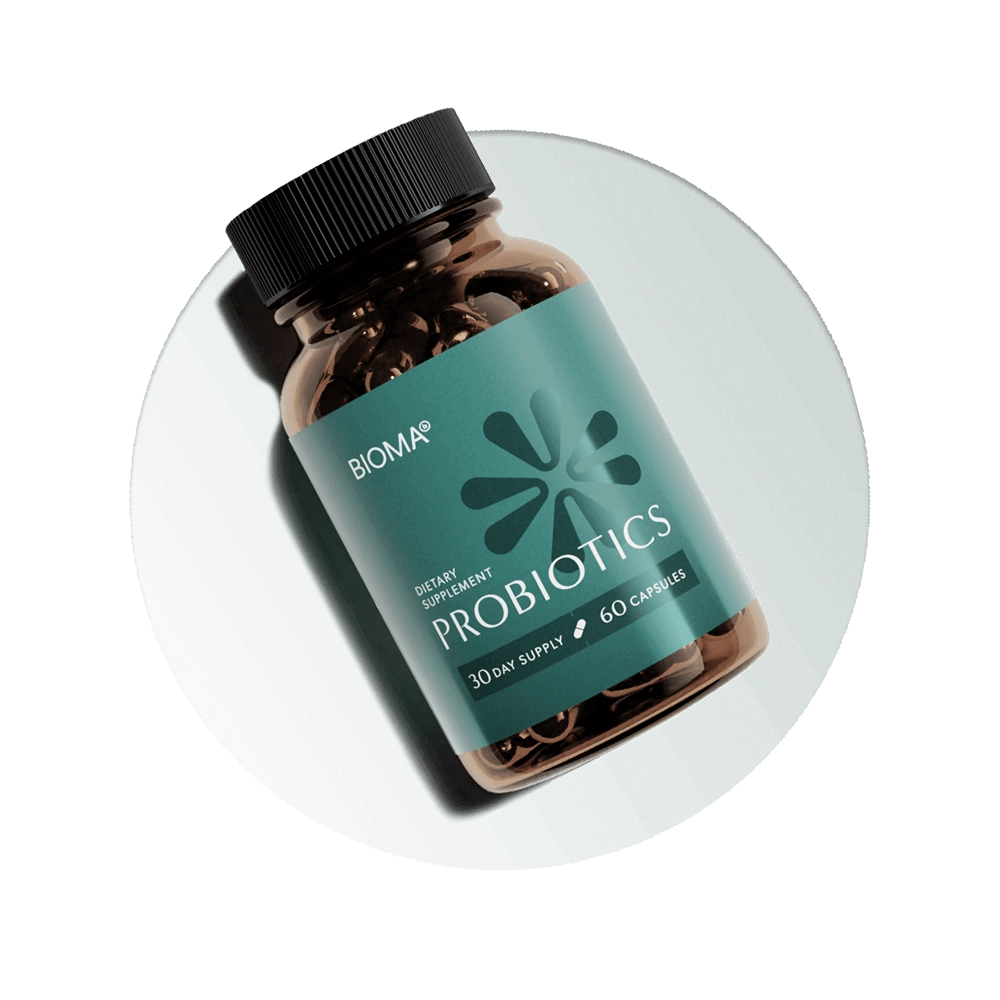
Less gut discomfort. More freedom to enjoy life.
Take our 1-min quiz to find out your gut type and get personalized advice and probiotics to relieve constipation, bloating, and other digestive issues.


