How to Improve Brain Health and Memory?

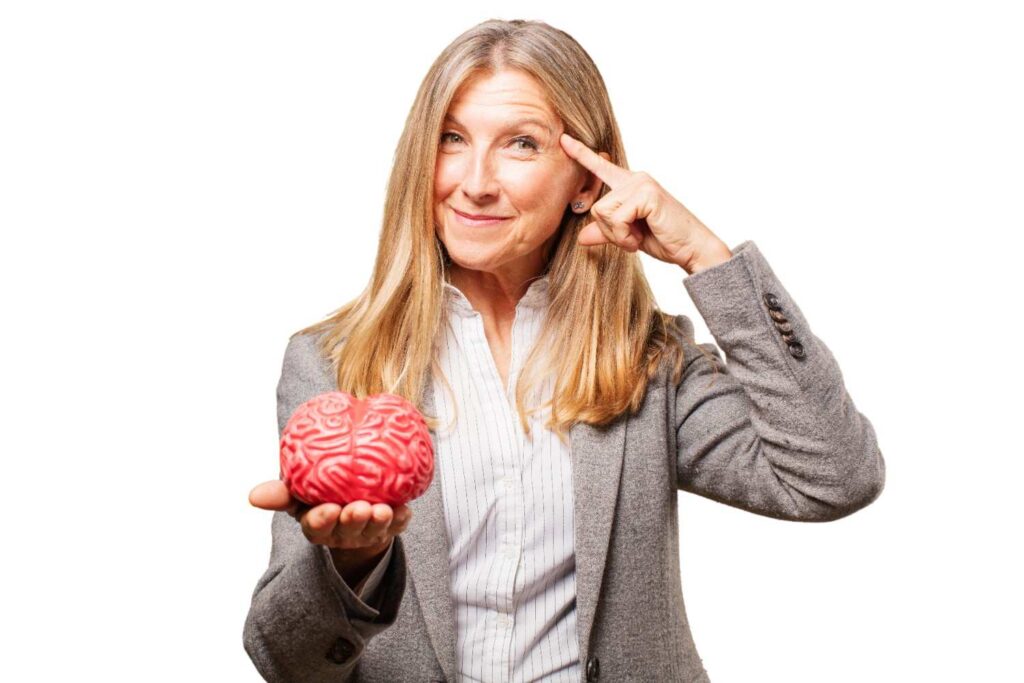
Whether you are forgetting where you parked, blanking on a colleague’s name or simply wanting to stay sharp for decades to come, caring about your brain is one of the smartest investments you can make. Here is the encouraging truth: memory and mental clarity are not fixed traits you are stuck with. They respond, often quickly, to how you eat, move, sleep and care for a surprising organ far from your head. Let’s walk through what actually works.
Your Brain Is More Adaptable Than You Think
The foundation for everything below is neuroplasticity, your brain’s lifelong ability to form new connections and adapt. This is why habits genuinely change how well you think and remember at any age. A healthy brain relies on steady blood flow, low inflammation, good sleep and a rich supply of nutrients, and the brain health lifestyle that supports memory simply gives it more of each. None of it requires perfection, just consistency in a few high impact areas.
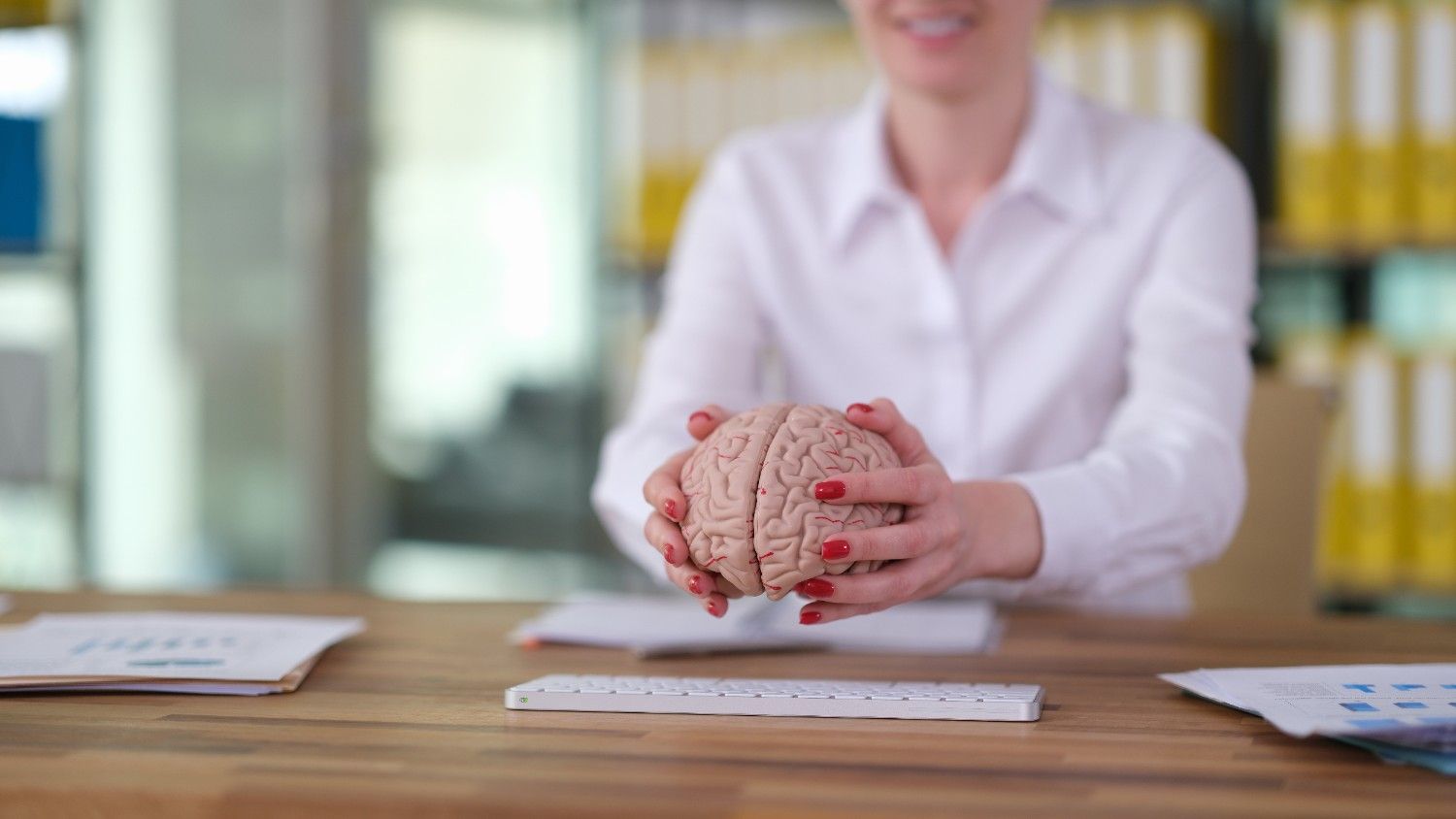
Eat Your Way to a Sharper Memory
Food shapes your brain daily, and a brain health diet leans heavily on whole, colorful, minimally processed foods. The Mediterranean and MIND eating patterns have the strongest evidence for protecting memory as you age. Certain brain health foods stand out for what they deliver.
- Fatty fish such as salmon and sardines, rich in the omega 3s that build brain cell membranes
- Berries and leafy greens, packed with antioxidants that shield neurons from oxidative stress
- Fruits for brain health like blueberries and citrus, which support memory and blood flow
- Nuts, seeds and olive oil, delivering vitamin E and healthy fats
- Fermented foods, which nourish the gut bacteria tied to mental clarity
That final point hints at a connection most memory advice overlooks entirely.
The Gut-Brain Axis: Your Memory’s Hidden Ally
Your gut and brain talk constantly through the gut-brain axis, a two way line of nerves, immune signals and chemical messengers. Around 90 percent of your serotonin, essential for mood and clear thinking, is produced in the gut with help from your microbes. When that microbial community falls out of balance, inflammation can rise and reach the brain, dulling focus and recall. This is why supporting your microbiome is a genuine memory strategy. Fiber rich plants, fermented foods and probiotics for gut and brain health help keep inflammation low and neurotransmitters flowing, quietly protecting the mind. It is one of the most underrated brain health moves available to you.

Curious where your own sharpest opportunity lies? Take the quick quiz below.
What’s Your Brain’s Weakest Link?
5 quick questions, no email needed. Find the habit that will help your memory most.
Move, Sleep, and Protect Your Focus
Exercise is a memory tool as much as a fitness one. Physical activity increases blood flow to the brain, lowers inflammation and boosts BDNF, a protein that helps neurons grow, which is why brain health exercise consistently improves memory and thinking. Aim for 30 minutes of movement most days, mixing aerobic activity with a little strength work.
Sleep is equally essential, because your brain consolidates memories and clears waste while you rest. Skimp on it and recall suffers the very next day, so protect 7 to 9 quality hours as a genuine cognitive habit. Chronic stress deserves attention too, since cortisol impairs the hippocampus, your memory center. Daily decompression, even ten quiet minutes, helps preserve the clarity you are working to build.
Techniques and Supplements to Improve Memory
Beyond lifestyle, a few practical techniques to improve memory really help. Learning genuinely new skills drives neuroplasticity far more than repeating familiar puzzles, so a language, an instrument or a craft is time well spent. Simple tools like writing things down, linking new information to something you already know, and staying socially engaged all strengthen recall.
On the supplement side, the best supplements for brain health are the ones that fill a real gap, so test before you stock up. Omega 3s support those who eat little fish, vitamin B12 matters because deficiency clouds thinking and rises with age, and vitamin D is worth checking since low levels track with poorer focus. Probiotics earn their place by nurturing the gut-brain axis described above. As always, targeted support beats guesswork.

Everyday Habits That Quietly Protect Your Memory
Alongside what you add, a few things worth easing off make a real difference to brain health. Chronic high sugar intake and heavily processed food promote the inflammation that dulls thinking over time, so gently reducing them supports clearer recall. Excess alcohol interferes with the deep sleep your brain needs to consolidate memory, which is why even a modest cutback often sharpens the days that follow.
Staying hydrated matters more than most people realize, since even mild dehydration measurably slows attention and short term memory. And protecting your hearing and vision plays a quiet role too, because straining to process the world adds cognitive load that leaves less capacity for remembering. None of this calls for perfection. Small, steady adjustments in these areas compound into a brain that feels noticeably clearer, and they pair naturally with the nourishing habits above.
Small Habits, a Sharper Mind
Improving brain health and memory comes down to steady, doable habits rather than dramatic overhauls. Nourish your brain with real food, move most days, sleep well, tend your gut and keep learning things that light you up. Choose one change to begin this week, let it become second nature, then add the next. If you ever notice memory changes that feel sudden, worsening or disruptive to daily life, see your doctor to rule out treatable causes. Your mind is built to stay bright. Give it consistent care, and it will keep rewarding you for years.
Sources
- Dhana, K., et al. (2023). The association of MIND diet with cognitive resilience to neuropathologies. Alzheimer’s & Dementia. https://pmc.ncbi.nlm.nih.gov/articles/PMC10460833/
- Loprinzi, P.D., Frith, E. (2019). Brain-derived neurotrophic factor as a potential mechanism of the effects of acute exercise on cognitive performance. Journal of Sport and Health Science. https://www.sciencedirect.com/science/article/pii/S2095254614001161
- Berendsen, A.M., et al. (2018). Association of Long-Term Adherence to the MIND Diet with Cognitive Function and Cognitive Decline in American Women. The Journal of Nutrition, Health & Aging. https://pubmed.ncbi.nlm.nih.gov/29380849/

Related articles



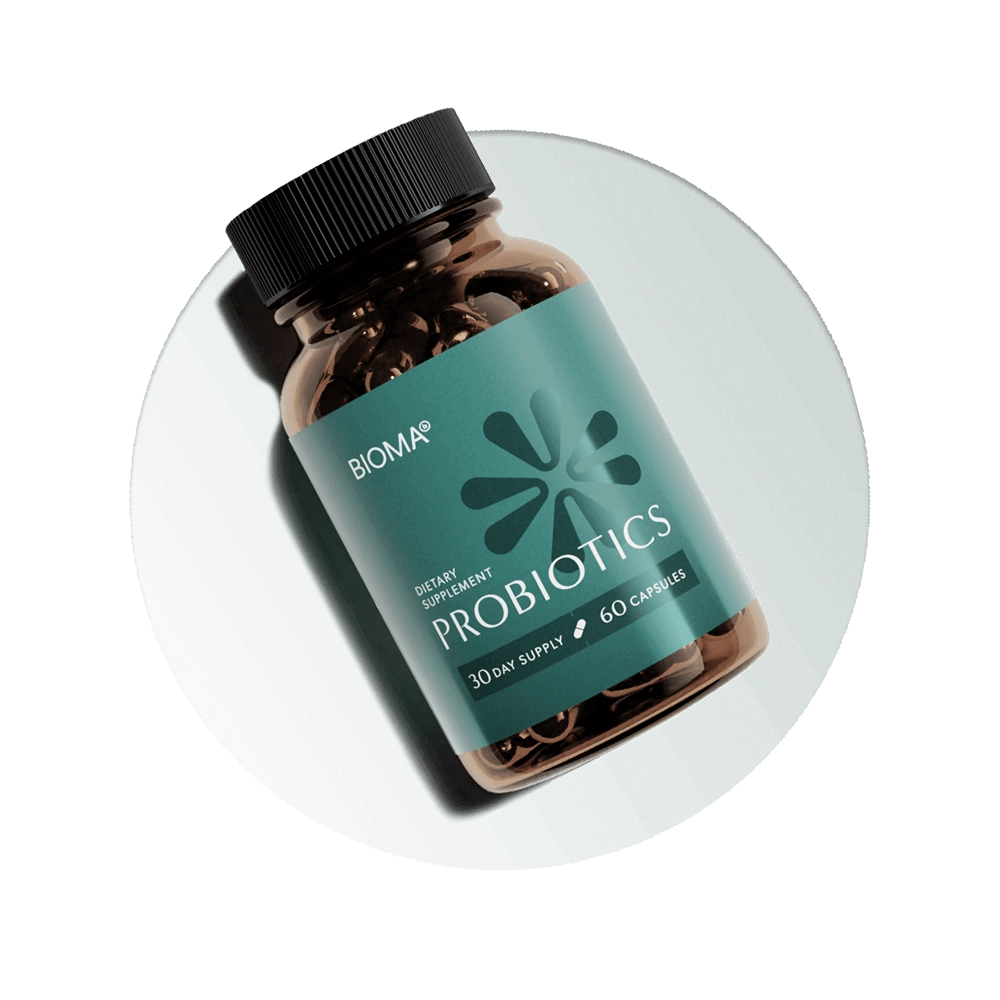
Less gut discomfort. More freedom to enjoy life.
Take our 1-min quiz to find out your gut type and get personalized advice and probiotics to relieve constipation, bloating, and other digestive issues.


