Why Everyone Is Talking About Inflammation Right Now


Inflammation has become one of the biggest words in wellness. It appears in conversations about gut health, skin, aging, energy, joint discomfort, weight changes, and even mood. Scroll through health content for five minutes, and it can start to feel like every issue is being connected back to inflammation in the body. That popularity is partly justified. Scientists are paying close attention to inflammation because it plays a major role in immune function and long-term health. But the conversation can also become confusing very quickly. Understanding inflammation matters because it helps separate useful health information from fear-based wellness trends.
What Does Inflammation Actually Mean?
The simplest inflammation meaning is this: inflammation is the immune system’s response to something it sees as a threat or injury. It is one of the body’s natural defense mechanisms. When you get a cut, catch a virus, strain a muscle, or encounter an irritant, the immune system sends cells and chemical signals to help protect and repair the affected area. This is why inflammation can cause redness, warmth, swelling, pain, or sensitivity. Those signs may feel uncomfortable, but they are part of the body’s normal repair process. In that context, inflammation is not the enemy. It is part of how the body protects itself.
The issue begins when inflammation does not resolve properly or continues at a low level over time. Inflammation is not automatically bad. Chronic inflammation is what researchers are most concerned about. That distinction is important because the word is often used online as if all inflammation should be eliminated, which is not how the body works.

Acute vs Chronic Inflammation: The Difference Most People Miss
Acute inflammation is short-term and usually has a clear purpose. If you twist your ankle, develop a sore throat, or experience inflammation tonsils during an infection, the body responds quickly to deal with the issue. Once the threat has passed and healing is underway, that inflammatory response should gradually calm down.
Chronic inflammation is different. It can persist for longer periods and may not always create obvious symptoms at first. This type of low-grade body inflammation is one reason researchers are studying links between immune activity, metabolic health, cardiovascular health, digestive health, and aging.
That does not mean chronic inflammation explains every health concern. It also does not mean every ache, digestive symptom, or tired day is caused by inflammation. But it does help explain why the topic has become so central in modern health research. When the immune system stays activated longer than it should, it can place stress on multiple body systems.
What Causes Inflammation in the Body?
When people ask what causes inflammation in the body, they are often looking for one simple trigger. In reality, inflammation is usually influenced by many factors working together. Some causes are obvious, such as infection, injury, or autoimmune conditions. Others are more connected to long-term lifestyle patterns and overall health status. Several factors may contribute to inflammatory processes in the body:
- Long-term stress
- Poor sleep
- Low physical activity
- Smoking
- Frequent intake of highly processed foods
- Certain chronic health conditions
- Ongoing infections or unresolved tissue irritation
These factors do not affect everyone in the same way. Two people can live through similar stress or eat similar foods and have different responses based on genetics, microbiome composition, hormones, age, and existing health conditions. This is why inflammation should not be treated as a simple one-cause issue.
The more helpful way to think about it is as a signal. Inflammation often reflects how the body is responding to its environment, both internally and externally. When the body is supported with enough sleep, balanced nutrition, movement, and recovery, immune regulation may function more efficiently.
Why Gut Health Is Part of the Inflammation Conversation
Gut health has become a major part of the inflammation conversation because the digestive tract is closely connected to the immune system. A large portion of immune activity takes place in and around the gut, where the body constantly interacts with food, microbes, and environmental compounds.
This is why scientists are so interested in inflammation in intestines and inflammation in colon. The gut lining acts as a barrier, helping separate what belongs inside the digestive tract from what should not enter the bloodstream. The gut microbiome also helps communicate with the immune system, influencing how the body responds to different signals.
That does not mean every episode of bloating, gas, or digestive discomfort is caused by inflammation. It also does not mean that every person needs to worry about intestinal inflammation. Still, the gut has become a major research focus because it sits at the intersection of digestion, immunity, metabolism, and overall health.
A healthy gut is not just about digestion. It also plays an important role in immune function. This is one reason many people are now paying closer attention to fiber intake, probiotic foods, microbiome support, and daily habits that influence digestive balance.

The Many Forms of Inflammation Throughout the Body
One reason inflammation feels confusing is that the same word is used to describe very different situations. Inflammation can happen in many tissues, but the causes, symptoms, seriousness, and treatment approaches can vary widely depending on where it occurs.
For example, stomach inflammation may be discussed in the context of gastritis, where the stomach lining becomes irritated or inflamed. Inflammation gastritis and inflammation in stomach are not the same conversation as joint inflammation, which may involve cartilage, connective tissue, immune activity, or injury-related stress. Inflammation liver refers to inflammatory processes affecting the liver, while pancreatic inflammation involves the pancreas and can be a very different medical concern. Inflammation tonsils usually refers to immune activity in the throat area, often linked with infection or irritation.
The same is true for inflammation in colon or inflammation in intestines. These terms can appear in discussions of digestive health, but they should not be casually used to explain every stomach symptom. The key point is that inflammation is a process, not a single condition. Context matters, and different forms of inflammation require different types of attention.
Why Chronic Inflammation Gets So Much Attention
Chronic inflammation gets attention because it may influence long-term health in ways that acute inflammation does not. A short-term inflammatory response helps protect and repair the body. A long-term inflammatory state, however, can create ongoing biological stress.
Researchers are especially interested in chronic inflammation because it appears to interact with several major health systems, including metabolism, immune regulation, cardiovascular function, and cellular aging. This does not mean chronic inflammation is the only factor in these areas, but it may be part of a larger picture.
This is also why wellness conversations sometimes oversimplify the topic. It is easy to turn inflammation into a catch-all explanation for every symptom. A more accurate view is that chronic inflammation may be one important signal within a broader network of health factors. It deserves attention, but it should be understood carefully rather than feared.
Can Supplements Reduce Inflammation?
Inflammation supplements have become popular because many people want a simple way to support their health. Since inflammatory processes are influenced by sleep, stress, diet, movement, infections, medical conditions, and the microbiome, supplements should be viewed as supportive tools rather than primary solutions.
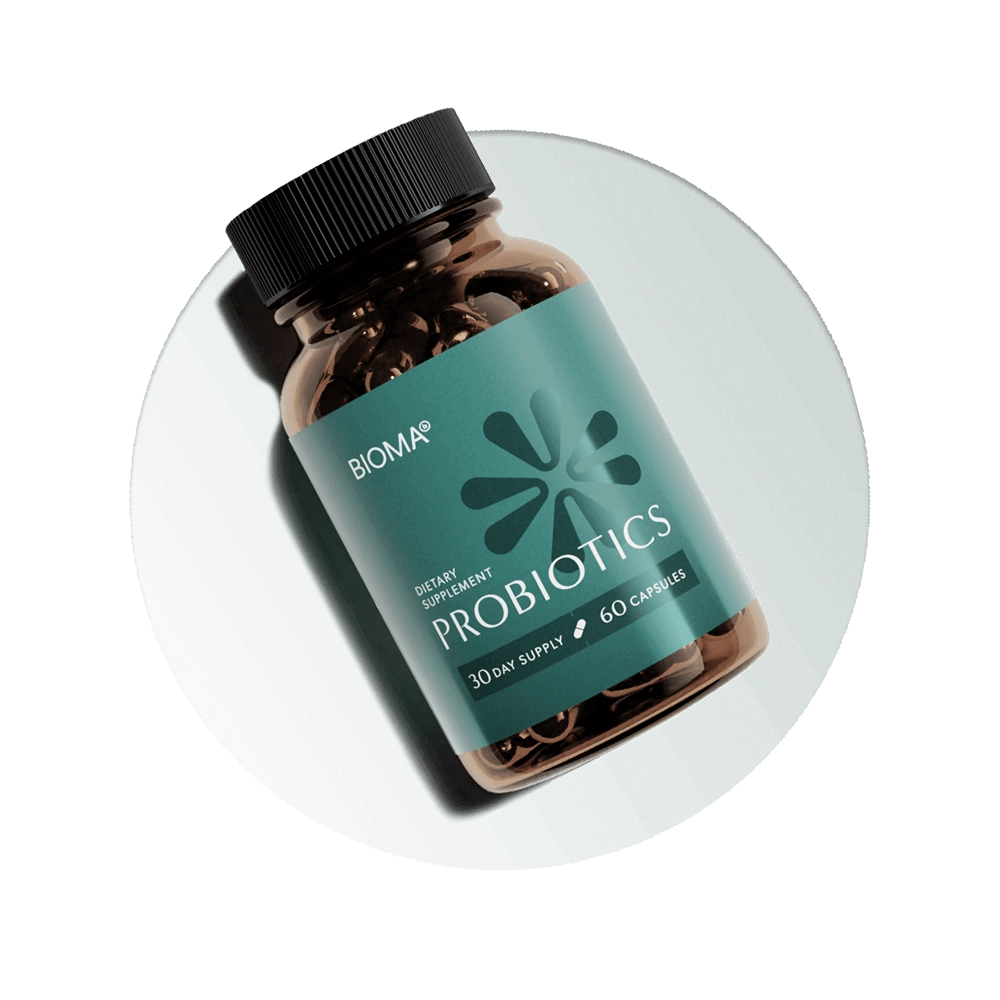
Probiotics are especially relevant because of the relationship between the gut microbiome and immune regulation. Since the gut environment plays a role in how the immune system communicates and responds, supporting microbiome balance may be one useful part of a broader wellness routine. Bioma Probiotics are designed to support gut microbiome balance and overall digestive wellness. They are not intended to treat inflammatory diseases, but they can fit into a long-term routine focused on supporting gut health, regularity, and overall body balance.

Sources
- Furman, D., Campisi, J., Verdin, E., et al. (2019). Chronic inflammation in the etiology of disease across the life span. Nature Medicine.
- Nathan, C. (2002). Points of control in inflammation. Nature.
- Medzhitov, R. (2008). Origin and physiological roles of inflammation. Nature.
- Calder, P.C., Bosco, N., Bourdet-Sicard, R., et al. (2017). Health relevance of the modification of low-grade inflammation in ageing and the role of nutrition. Ageing Research Reviews.
- Belkaid, Y., & Hand, T.W. (2014). Role of the microbiota in immunity and inflammation. Cell.
- Zheng, D., Liwinski, T., & Elinav, E. (2020). Interaction between microbiota and immunity in health and disease. Cell Research.



Related articles



Less gut discomfort. More freedom to enjoy life.
Take our 1-min quiz to find out your gut type and get personalized advice and probiotics to relieve constipation, bloating, and other digestive issues.


