What Ultra-Processed Foods Do to Your Gut


Ultra-processed foods are everywhere. They are convenient, affordable, heavily marketed, and often designed to taste extremely good. For many people, they make up a significant portion of daily meals without much thought. A flavored yogurt at breakfast, a protein bar between meetings, packaged snacks in the afternoon, and a ready-made dinner can easily add up. The problem is not that eating one packaged food occasionally will ruin your health. The bigger question is what happens when ultra-processed foods become the foundation of your diet. This is where researchers have become increasingly interested in the relationship between ultra-processed foods and gut health. Your gut is home to trillions of microorganisms that help support digestion, immune function, nutrient processing, and even communication between the gut and the brain. What you eat directly influences this ecosystem, which is why scientists are now paying close attention to the effects of ultra-processed foods on the microbiome.
Why Your Gut Reacts to More Than Just Calories
Many people think of food in terms of calories, protein, carbohydrates, and fat. While these nutrients matter, your gut pays attention to much more than that. Your digestive system interacts with fiber, plant compounds, food structure, additives, sweeteners, and countless other components that influence the environment inside your intestines. Two foods may contain similar calories but have very different effects on digestion and gut bacteria.
The conversation is no longer just about weight management. It is increasingly about how food influences the biological systems that support long-term health. This is one reason researchers have become interested in what ultra processed food does to your body beyond simple calorie intake.
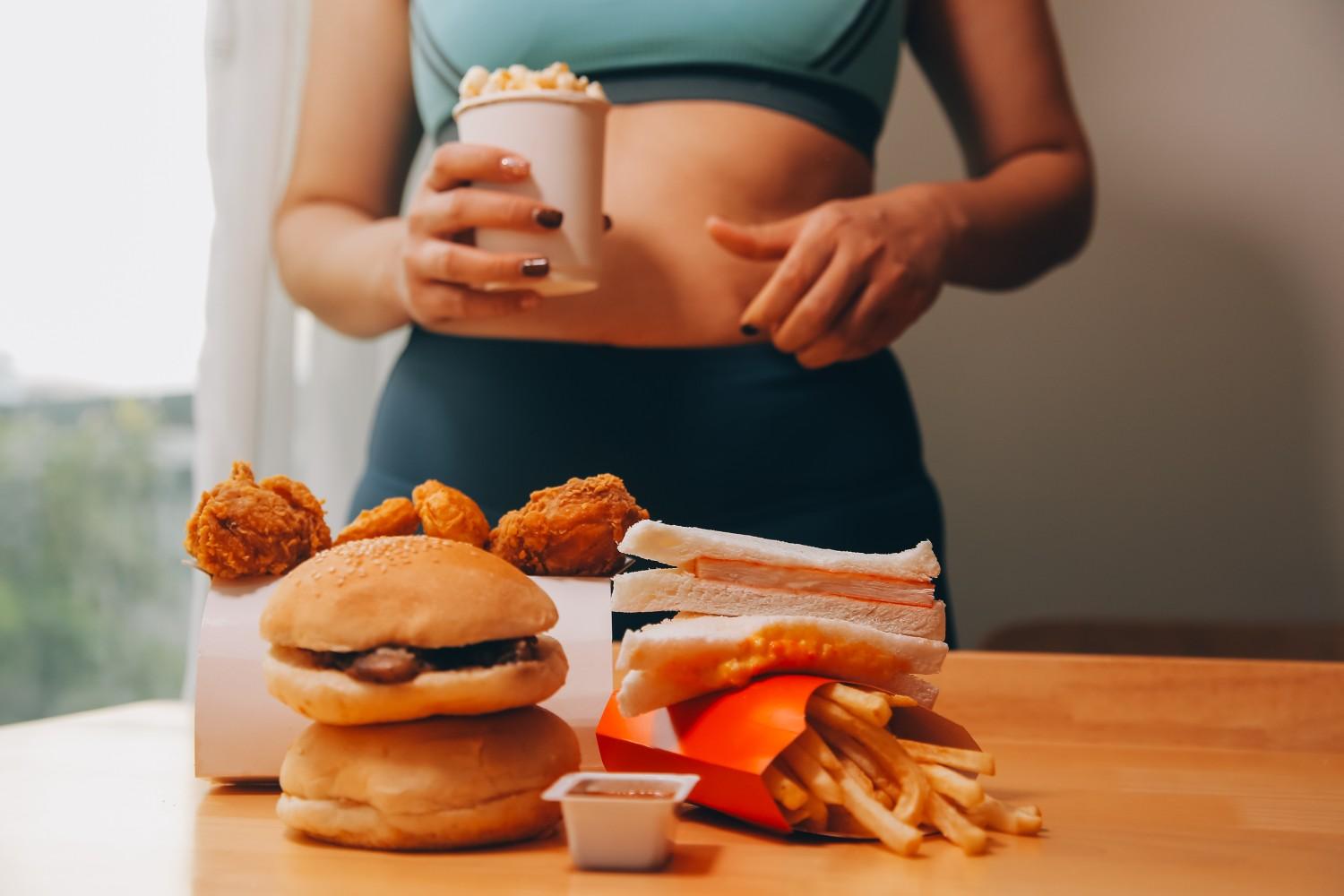
What Ultra-Processed Foods Can Do to the Gut Microbiome
One of the biggest concerns surrounding ultra-processed foods is their potential effect on the gut microbiome. A healthy microbiome tends to be diverse. Different types of bacteria perform different functions, and diversity is generally considered a positive sign of a resilient gut ecosystem. Diet plays a major role in maintaining that diversity.
When ultra-processed foods dominate the diet, researchers often observe patterns associated with lower microbial diversity and less favorable gut environments. This does not happen overnight, nor does it mean every person eating processed foods will develop gut problems. However, dietary patterns matter far more than individual foods.
Many ultra-processed foods provide less of the material that beneficial bacteria rely on. Over time, this may influence the balance of microorganisms living in the digestive tract and potentially affect how efficiently the microbiome performs its many functions.
The Fiber Problem: Why Your Gut Bacteria May Be Left Hungry
One of the simplest explanations for the relationship between ultra-processed foods and gut health comes down to fiber. Beneficial gut bacteria rely on dietary fiber as a source of fuel. When they break down fiber, they produce compounds called short-chain fatty acids, which are associated with gut barrier function and overall digestive health.
The challenge is that many ultra-processed foods contain relatively little fiber compared to vegetables, fruits, legumes, nuts, seeds, and whole grains. When those fiber-rich foods are regularly replaced by highly processed alternatives, the microbiome may receive less of what it needs to thrive.
The bigger issue is what gets pushed out of the diet when ultra-processed foods become the default choice. A lack of fiber-rich foods often means less support for the bacteria that help maintain a healthy gut environment.
Additives, Emulsifiers, and Sweeteners: What We Know So Far
Another reason scientists are interested in ultra-processed foods is their ingredient profile. Many products contain additives that improve texture, shelf life, appearance, or flavor. These ingredients help create foods that remain stable and appealing for long periods, but researchers are still exploring how some additives may interact with the gut environment. Current evidence does not suggest that every additive is harmful. However, certain emulsifiers and artificial sweeteners have attracted scientific interest because of their potential effects on gut bacteria and the intestinal environment.
Ultra-Processed Foods and Gut Inflammation
One of the most common questions people ask is whether ultra-processed foods can contribute to inflammation. The answer is complicated because inflammation is influenced by many factors, including sleep, stress, physical activity, overall diet quality, genetics, and existing health conditions. No single food determines whether inflammation occurs.
What researchers are exploring is whether diets high in ultra-processed foods may contribute to environments that are less supportive of gut health. Some studies have suggested possible links between dietary patterns high in ultra-processed foods and markers associated with inflammation. However, researchers continue to investigate exactly how these relationships work and who may be most affected. This is why the dangers of ultra processed foods are often discussed in terms of long-term dietary patterns rather than individual foods.
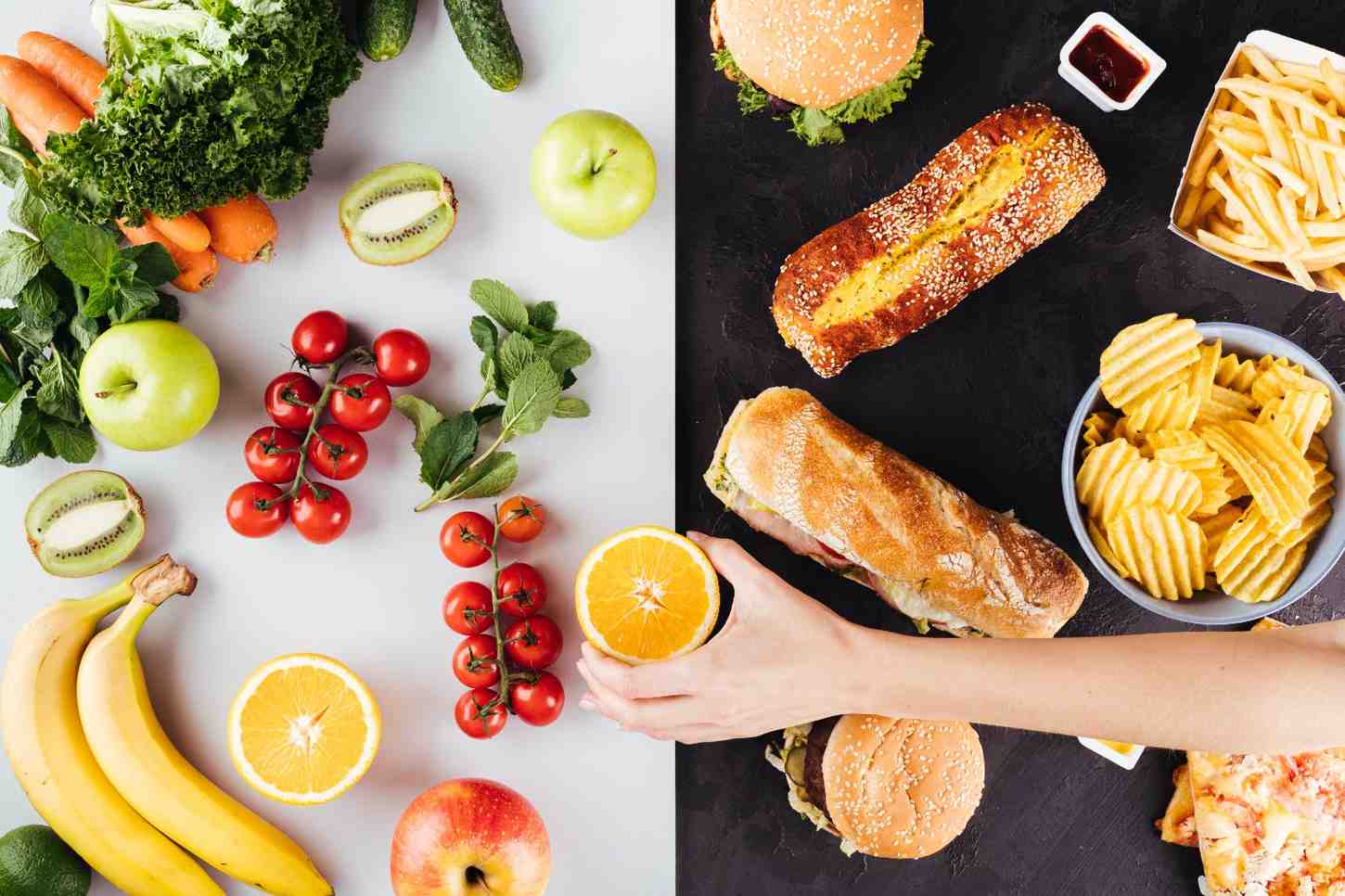
Why Some Ultra-Processed Foods Make You Overeat Without Feeling Full
Have you ever finished a large bag of chips and still felt unsatisfied afterward? One reason may be that many ultra-processed foods are designed to be highly palatable. They are often easy to chew, easy to consume quickly, and may provide less fiber and protein than whole-food alternatives. As a result, some people find it easier to eat large amounts before their body’s fullness signals have time to catch up. This is one reason discussions about the effects of ultra processed foods often include appetite regulation and eating behavior. The issue is not a lack of willpower. Food design plays a role in how satisfied we feel after eating.
Are All Ultra-Processed Foods Equally Bad for Your Gut?
This is where the conversation becomes more nuanced. Many articles treat all ultra-processed foods as if they are identical, but the reality is more complex. Some products are high in sugar, salt, and refined ingredients with little nutritional value. Others may provide protein, fiber, vitamins, or other nutrients that support a balanced diet. So is ultra processed food bad for you? The answer depends on the product, the quantity consumed, and the overall quality of your diet. Looking at one food in isolation is rarely helpful. A person’s overall eating pattern provides a much clearer picture of health than any single food choice. This is why many nutrition experts focus less on individual products and more on what makes up the majority of someone’s diet over time.
What Happens When Ultra-Processed Foods Replace Whole Foods
The biggest concern is often not what ultra-processed foods add, but what they replace.
| When Ultra-Processed Foods Replace… | Your Gut May Miss Out On… |
|---|---|
| Vegetables | Fiber and plant compounds |
| Legumes | Prebiotic fibers |
| Whole grains | Resistant starch and diverse fibers |
| Fermented foods | Microbial diversity support |
| Nuts and seeds | Beneficial fats and polyphenols |
This perspective changes the conversation entirely. Instead of focusing on a single snack or convenience meal, it encourages a broader view of dietary balance.
How to Support Your Gut Without Becoming Obsessed
One of the biggest mistakes people make after learning about ultra-processed foods is assuming they must eliminate them completely. For most people, a far more realistic approach is to focus on adding supportive foods rather than chasing perfection. Small changes tend to be more sustainable and often provide meaningful benefits over time. Helpful habits may include:
- Eating a wider variety of plant foods each week
- Increasing fiber intake gradually
- Including more fruits and vegetables in daily meals
- Choosing whole-food snacks more often
- Supporting gut health through consistent daily habits
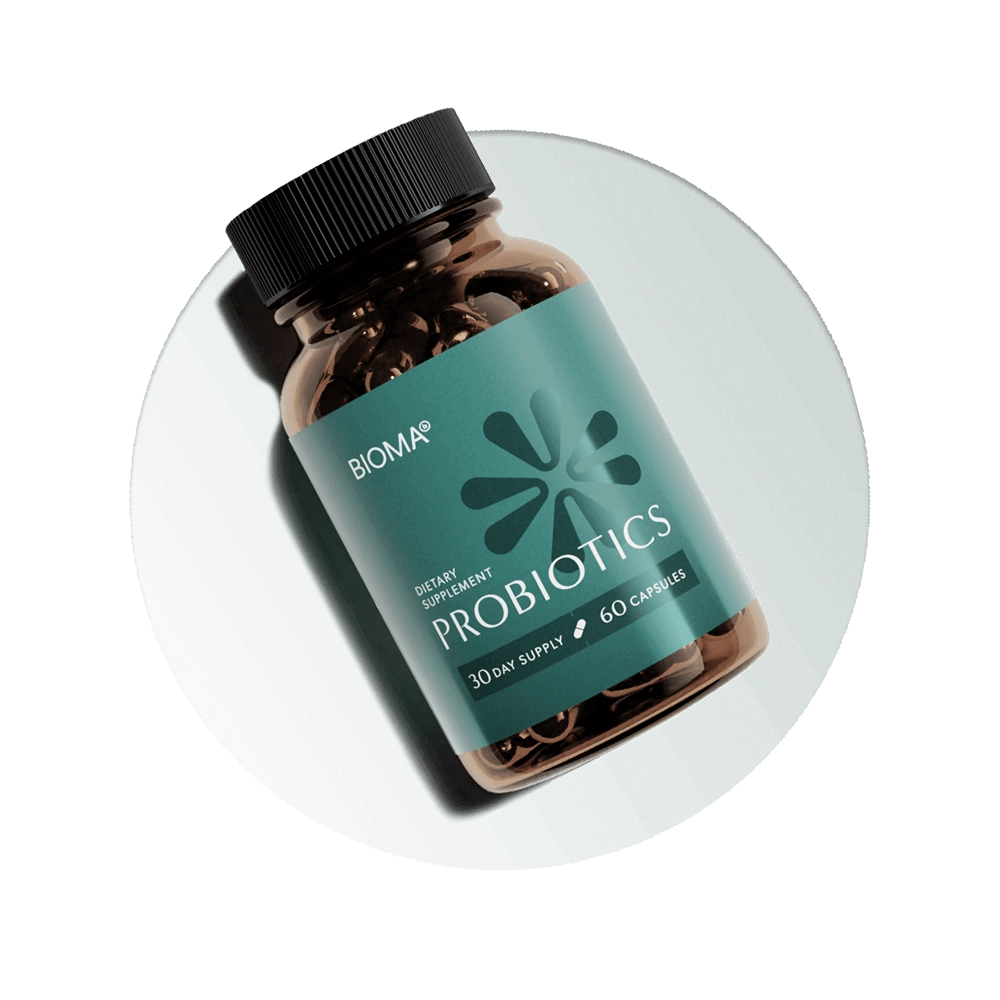
Many people also choose to support their gut microbiome with probiotics. Bioma Probiotics are designed to help support microbial balance and digestive wellness as part of a broader gut health routine. They are not a replacement for a nutritious diet, but they can complement habits that help create a healthier environment for the microbiome.
The Real Issue Is the Pattern, Not One Snack
The conversation around ultra-processed foods sometimes becomes overly dramatic. It can make people feel as though one packaged snack or convenience meal has the power to destroy their gut health. One packaged snack is not what shapes your gut health. The real concern is what happens when ultra-processed foods consistently replace fiber-rich plants, diverse whole foods, and nutrient-dense meals. Over time, those choices can shape the environment inside the digestive system and influence the support your microbiome receives.
The good news is that gut health is influenced by daily habits, not perfection. Small improvements repeated consistently often matter far more than avoiding every processed food. Gut health is influenced by daily habits, not perfection. Understanding that balance is one of the most useful things we can learn from the growing research on ultra-processed foods and the gut.
Sources
- Cordova, R., et al. (2023). Ultra-processed foods and human health: A systematic review and meta-analysis. The BMJ.
- Zinöcker, M.K., & Lindseth, I.A. (2018). The Western diet and the gut microbiome. Nutrients.
- Schnabel, L., et al. (2019). Association between ultra-processed food consumption and risk of mortality. JAMA Internal Medicine.
- Singh, R.K., et al. (2017). Influence of diet on the gut microbiome and implications for human health. Journal of Translational Medicine.
- Rinninella, E., et al. (2019). What is the healthy gut microbiota composition? Microorganisms.
- Santos-Marcos, J.A., et al. (2025). Ultra-processed foods, gut microbiota, and metabolic health. Nature Reviews Gastroenterology & Hepatology.



Related articles

Less gut discomfort. More freedom to enjoy life.
Take our 1-min quiz to find out your gut type and get personalized advice and probiotics to relieve constipation, bloating, and other digestive issues.


