The Real Reason Cravings Feel Impossible to Control


You promise yourself you’ll skip dessert tonight. Then 9 PM arrives, and suddenly all you can think about is chocolate. Or maybe it’s chips, ice cream, wine, or whatever snack is hiding in your kitchen. Most people have experienced that frustrating feeling of knowing they don’t actually need something, yet wanting it so badly that it becomes difficult to think about anything else.
For years, cravings have been treated as a discipline problem. If you were strong enough, motivated enough, or had enough willpower, you wouldn’t keep reaching for sugary foods or late-night snacks. But modern research tells a different story. Cravings are often driven by biology, not a lack of self-control. Understanding what is happening behind the scenes can make it much easier to stop fighting your body and start working with it.
Why Do Cravings Feel So Strong?
Cravings exist for a reason. Your brain is constantly trying to keep you alive and maintain balance. When it senses that energy is low, stress is high, or something feels off, it looks for the fastest solution available. The problem is that your brain doesn’t always distinguish between what you need and what it thinks will make you feel better in the moment. Foods high in sugar, fat, and salt activate reward pathways that temporarily increase feelings of pleasure and satisfaction. This is why cravings can feel so powerful, even when you’ve recently eaten. The stronger the signal, the harder it becomes to ignore. That’s why cravings often feel less like a choice and more like an urge that appears out of nowhere.

What Actually Causes Cravings?
There is rarely a single reason behind cravings. Most of the time, several factors are working together. Blood sugar fluctuations are one of the biggest contributors. When meals are built mostly around refined carbohydrates and lack protein or fiber, energy levels can rise quickly and then crash. Your body responds by asking for another fast source of energy, often in the form of sugar.
Stress is another major trigger. When stress hormones remain elevated for long periods, your brain naturally seeks comfort and quick rewards. This is one reason emotional eating often appears during busy, overwhelming, or exhausting periods of life.
Sleep also plays a surprisingly important role. Even one poor night of sleep can affect hormones involved in appetite regulation, making cravings stronger and satiety signals weaker the following day. The important thing to understand is that cravings are often a response to something happening internally. They are not usually random.
Why Sugar Cravings Are Different From Regular Hunger
Many people confuse hunger with cravings, but they are not the same thing. Hunger builds gradually. It can usually be satisfied by a variety of foods. A balanced meal sounds appealing, and eating generally makes the feeling go away.
Sugar cravings behave differently. They often appear suddenly and feel highly specific. You don’t want food in general. You want cookies, chocolate, candy, or something sweet. Even after eating a meal, sweet cravings can still linger because they are driven by reward signals rather than energy needs alone.
This is why learning how to stop sugar cravings often requires a different approach than simply eating more food. The goal is to support the systems influencing those signals rather than relying entirely on willpower.
What Deficiency Causes Sugar Cravings?
One of the most common questions people ask is whether a nutrient deficiency is causing their cravings. The answer is sometimes, but not always. Low protein intake is one of the biggest hidden contributors. Protein helps regulate appetite and supports satiety hormones. When meals lack sufficient protein, it can be harder to feel satisfied, leading to stronger cravings later in the day.
Not eating enough overall can create a similar effect. Many people unintentionally under-eat during the day and then wonder why they experience intense cravings at night. In reality, the body is simply trying to catch up.
Certain nutrient deficiencies, including magnesium deficiency, have also been linked to increased sweet cravings in some individuals. However, most cravings are influenced more by overall eating patterns, sleep quality, stress levels, and blood sugar regulation than by a single missing nutrient.
Why Midnight Cravings Happen
Midnight cravings rarely start at midnight. They usually begin much earlier in the day. Skipping breakfast, eating a light lunch, restricting calories, or relying heavily on processed snacks can leave your body searching for energy by the evening. Add stress, fatigue, and a long day of decision-making, and your brain becomes far more vulnerable to cravings. There is also a biological component. As the evening progresses, tiredness can weaken self-regulation while increasing the appeal of rewarding foods. This combination often creates the perfect environment for late-night snacking. Instead of focusing only on what happens after dinner, it is often more helpful to look at how the entire day was structured. Many midnight cravings are simply delayed signals from a body that didn’t receive enough nourishment earlier.

The Hidden Connection Between Your Gut and Cravings
Your gut influences much more than digestion. Researchers now know that the gut and brain are in constant communication through what is known as the gut-brain axis. The trillions of microbes living in your digestive system play a role in appetite regulation, food preferences, and metabolic signaling. Some studies suggest that changes in the gut microbiome may influence cravings by affecting how hunger and fullness signals are processed.
The gut is also involved in the production of hormones that help regulate appetite, including GLP-1. This hormone helps signal fullness after eating and plays an important role in controlling how hungry you feel throughout the day. Because of this connection, improving gut health may support healthier appetite regulation over time. It is not an overnight solution, but it helps explain why cravings are often about much more than self-control.
Can GLP-1 Help Control Cravings?
GLP-1 has become one of the most discussed hormones in weight management for a reason. It helps slow digestion, promotes feelings of fullness, and influences appetite signals sent to the brain. While prescription GLP-1 medications have received significant attention, the body naturally produces GLP-1 on its own. Certain lifestyle habits, including consuming enough protein, eating fiber-rich foods, and supporting gut health, may help support natural GLP-1 production.
This is also why some people choose to incorporate a GLP-1 booster into their routine. Products designed to support natural GLP-1 pathways aim to work alongside the body’s existing appetite regulation systems rather than replacing them. While they are not a substitute for healthy habits, they may complement a routine focused on better appetite control and long-term weight management. If cravings often feel stronger than your intentions, supporting your body’s natural satiety signals may be worth exploring. Bioma’s products.

How to Reduce Sugar Cravings Without Restrictive Diets
One of the biggest mistakes people make is trying to eliminate cravings by creating more restrictions. While cutting out certain foods may seem logical, excessive restriction often makes cravings stronger. A more sustainable approach is to focus on building meals that help you feel satisfied. Protein, fiber, and healthy fats all contribute to slower digestion and more stable energy levels. Eating consistently throughout the day can also help reduce the intense hunger that often drives cravings later on.
Sleep matters too. Many people search for ways to reduce sugar cravings without realizing that improving sleep quality can be just as important as changing their diet. Better sleep supports the hormones involved in appetite regulation and may help make cravings feel less overwhelming. The goal is not to never experience cravings again. The goal is to make them quieter, less frequent, and easier to manage.
Why Some People Crave Sugar, Alcohol, and Junk Food More Than Others
Have you ever noticed that some people seem completely indifferent to foods that feel impossible for you to resist? Part of the answer comes down to biology. Genetics, microbiome composition, hormone levels, stress resilience, and lifestyle factors can all influence how strongly people experience cravings.
Alcohol cravings and cravings for junk food often activate similar reward pathways in the brain. Stress, poor sleep, and emotional exhaustion can amplify these signals, making highly rewarding foods and drinks feel even more appealing. This doesn’t mean you’re broken or lacking discipline. It simply means your cravings are being shaped by factors that extend far beyond willpower alone.
The Habits That Make Cravings Easier to Manage
Cravings may never disappear completely, and that’s normal. They are part of being human. The difference is that healthy habits can make those signals feel much easier to navigate. Eating enough protein, prioritizing fiber-rich foods, supporting gut health, managing stress, staying active, and getting consistent sleep all help create an environment where cravings have less power over your decisions. When you understand the real reasons cravings happen, the conversation shifts. It becomes less about fighting yourself and more about supporting the systems that influence hunger, fullness, and appetite in the first place.
Sources
- Johnson, A.J., et al. (2019). Daily sampling reveals personalized diet-microbiome associations in humans. Cell Host & Microbe.
- Valdes, A.M., Walter, J., Segal, E., & Spector, T.D. (2018). Role of the gut microbiota in nutrition and health. BMJ.
- Makki, K., Deehan, E.C., Walter, J., & Bäckhed, F. (2018). The impact of dietary fiber on gut microbiota in host health and disease. Cell Host & Microbe.
- Marco, M.L., et al. (2021). Health benefits of fermented foods: Microbiota and beyond. Current Opinion in Biotechnology.
- Fan, Y., & Pedersen, O. (2021). Gut microbiota in human metabolic health and disease. Nature Reviews Microbiology.
- Muller, P.A., Matheis, F., & Schneeberger, M. (2020). Gut hormones and the microbiota: Emerging links in appetite regulation. Nature Reviews Endocrinology.
Related articles

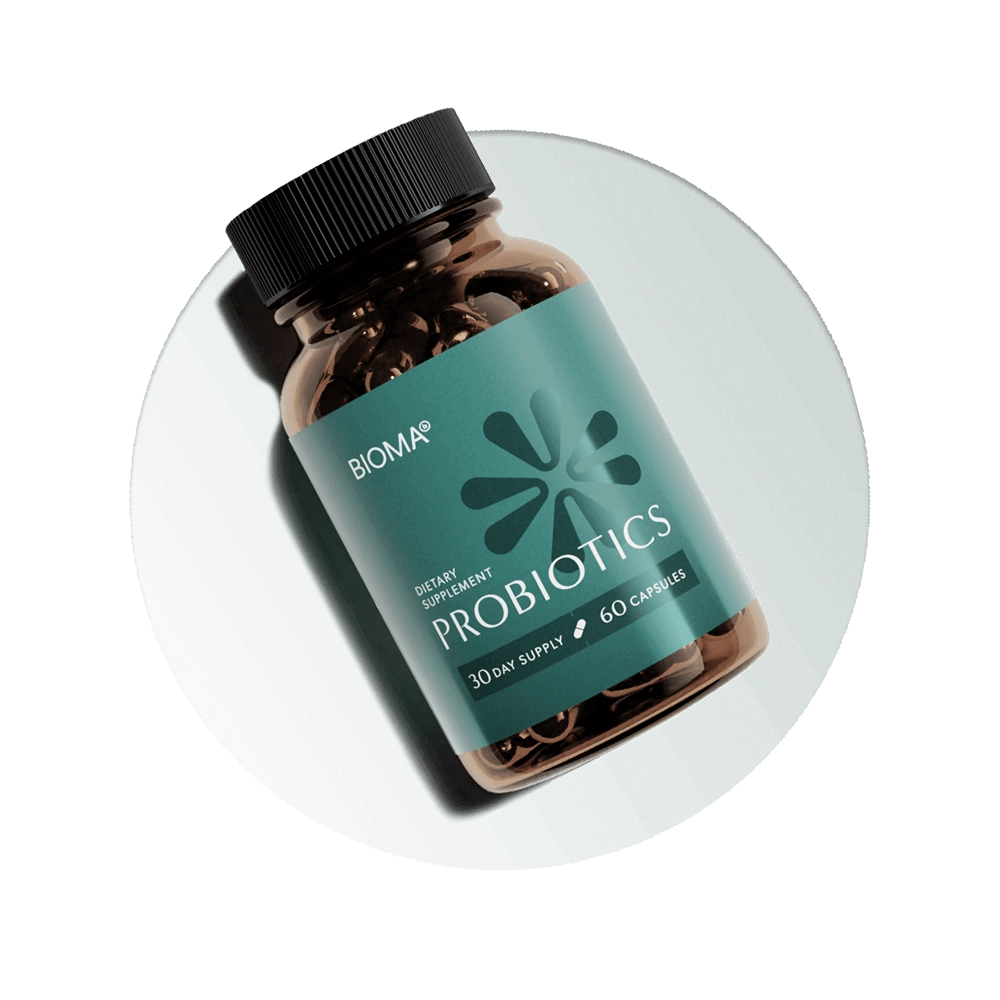
Less gut discomfort. More freedom to enjoy life.
Take our 1-min quiz to find out your gut type and get personalized advice and probiotics to relieve constipation, bloating, and other digestive issues.


