The Gut Healing Mistakes Everyone Makes

Gut healing has become one of the biggest wellness trends of the past few years. Open social media, and you’ll find endless advice about cutting out foods, taking supplements, drinking bone broth, or following restrictive protocols that promise to “heal your gut” in a matter of days. While some of these recommendations have a scientific basis, many people end up making their digestion worse by approaching gut health the wrong way. The truth is that healing your gut is usually much less dramatic than wellness influencers make it seem. It is not about finding one magic supplement or eliminating entire food groups forever. More often, it comes down to building habits that support your gut microbiome, digestive system, and overall health over time. If you’ve been trying to improve your gut health without seeing results, one of these common mistakes may be standing in your way.
What Does Gut Healing Actually Mean?
Before talking about gut healing, it’s important to understand what the term actually means. Your digestive system is a complex ecosystem made up of trillions of microorganisms, intestinal cells, immune cells, and signaling pathways that influence everything from digestion to metabolism and even mood. When people talk about gut healing, they are usually referring to improving microbial balance, reducing digestive discomfort, supporting the gut lining, and creating an environment where the gut can function properly again. This process takes time. Just like you cannot build fitness in a week, you cannot expect your gut microbiome to transform overnight. Sustainable changes tend to produce the best long-term results.
Mistake #1: Trying to Fix Your Gut Overnight
One of the biggest gut healing mistakes is expecting immediate results. Many people jump from one protocol to another, trying juice cleanses, extreme elimination diets, detox teas, or expensive programs that promise rapid transformation. While these approaches may create temporary changes, they rarely address the underlying factors that influence gut health.
Your gut microbiome responds to consistent habits. Research shows that dietary patterns, sleep quality, stress levels, and physical activity all play a role in shaping the microbial community living in your digestive tract. This means that lasting improvement usually happens gradually. If you’re healing your gut, patience matters. A few weeks of balanced eating will almost always outperform a few days of restriction followed by returning to old habits.
Mistake #2: Focusing Only on Supplements
Walk into any health store and you’ll find dozens of gut healing supplements claiming to solve bloating, digestive issues, inflammation, and microbiome imbalances. While supplements for gut healing can be useful in some situations, they are often treated as the main solution instead of a supporting tool.
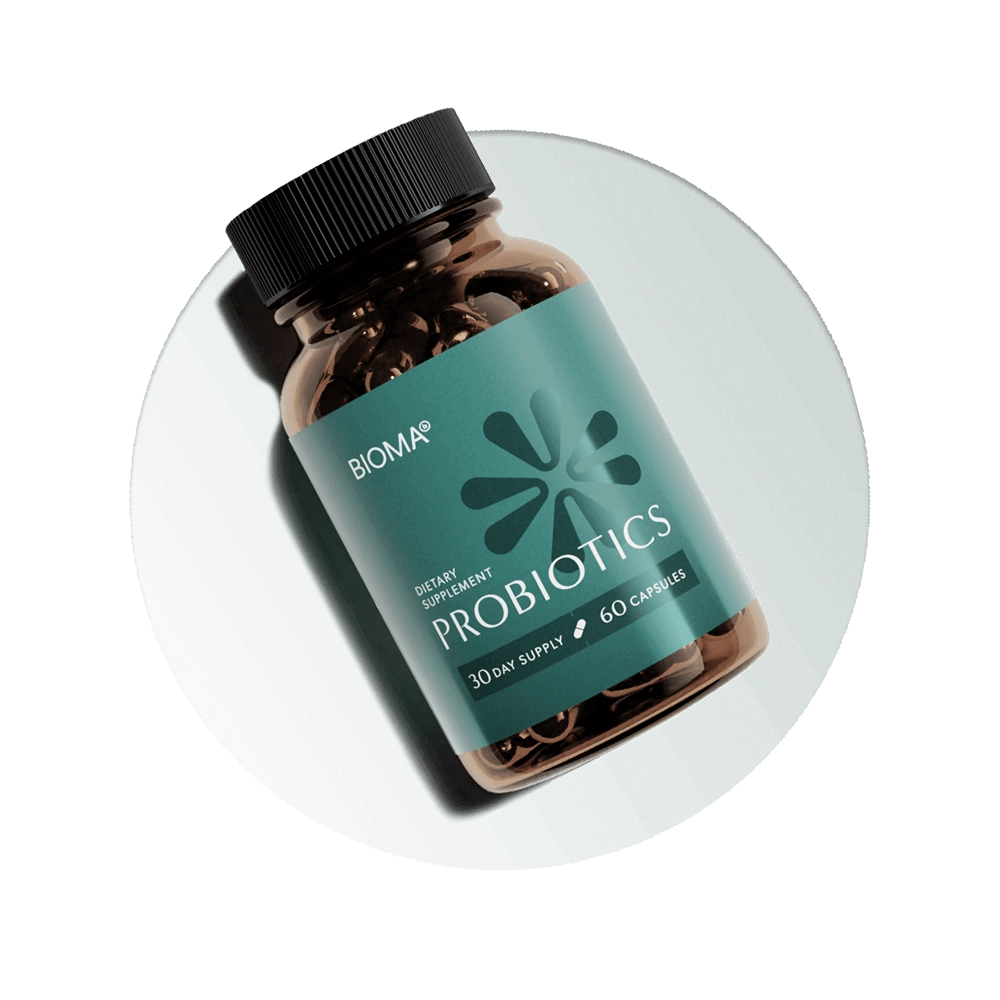
Even the best gut healing supplements work best when they are combined with habits that support the gut microbiome naturally. This doesn’t mean supplements have no place in a gut health routine. Certain probiotics, prebiotics, fiber supplements, and targeted formulas may help support digestive balance when used alongside healthy habits. For example, Bioma GLP-1 BOOSTER combines prebiotics, probiotics, and ingredients designed to support natural GLP-1 production pathways while also supporting the gut environment that plays an important role in appetite regulation and metabolic health.
The mistake happens when people expect a supplement to do all the work. Gut healing is rarely about finding one product. It is about creating the right conditions through nutrition, sleep, movement, stress management, and targeted support when needed.

Mistake #3: Ignoring the Foods That Feed Your Gut
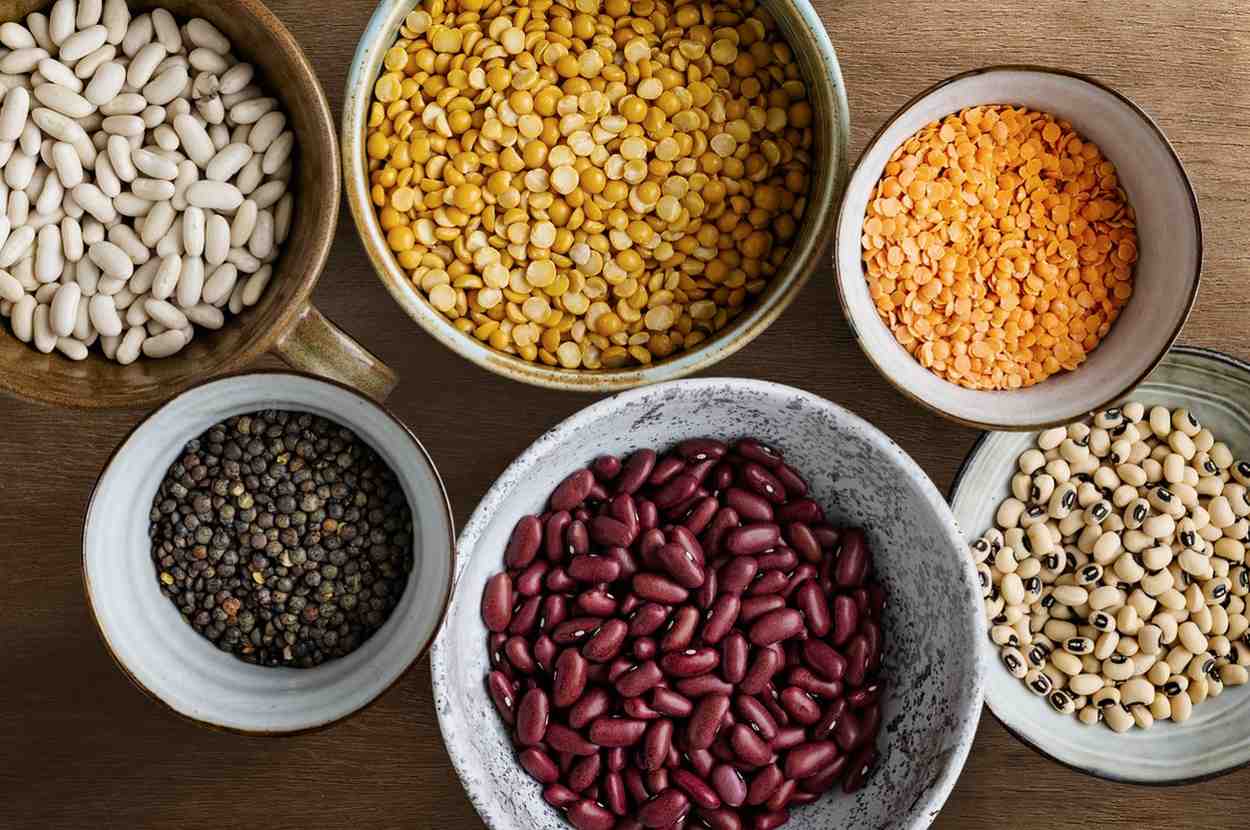
One of the most overlooked aspects of gut healing is providing the microbiome with the nutrients it actually needs to thrive. Many people focus on removing foods but spend very little time thinking about what they should be adding. In reality, some of the most effective gut healing foods are also some of the simplest.
| Food Group | Why It Matters for Gut Health |
|---|---|
| Beans and lentils | Feed beneficial gut bacteria |
| Oats | Rich in prebiotic fiber |
| Fermented foods | Support microbial diversity |
| Berries | Provide beneficial polyphenols |
| Vegetables | Support digestion and microbiome balance |
These foods provide fiber, polyphenols, and other compounds that beneficial gut bacteria use as fuel. When those bacteria thrive, they produce substances called short-chain fatty acids, which help support the gut environment and may play a role in reducing inflammation.
Many people searching for a diet for gut healing are surprised to learn that the answer is not usually a highly restrictive plan. Instead, it often involves eating a wider variety of nutrient-dense foods. Diversity is one of the strongest predictors of a healthy microbiome, which is why gut healing foods should focus on variety rather than perfection.
Mistake #4: Thinking Gut Healing Is Only About Digestion
When people think about gut health, they usually think about bloating, constipation, or stomach discomfort. While those symptoms matter, your gut influences much more than digestion. The gut is closely connected to appetite regulation, blood sugar balance, immune function, and even mood. Scientists often refer to the gut-brain axis because of the constant communication that takes place between the digestive system and the nervous system.
Your gut may also influence hormones involved in hunger and fullness. For example, the gut plays a role in the production of GLP-1, a hormone that helps regulate appetite. This connection is one reason why supporting gut health may have benefits beyond digestion alone. When healing gut inflammation, it is helpful to think beyond symptom relief and focus on supporting the entire system. A healthier gut can contribute to better energy, more stable eating habits, and improved overall well-being.
Mistake #5: Not Eating Enough Protein
Fiber gets most of the attention in gut health conversations, but protein deserves a place in the discussion too. Your digestive tract is made up of tissues that constantly repair and renew themselves. Protein provides the building blocks needed for that process. It also helps support satiety, which can make it easier to maintain balanced eating habits throughout the day.
Many people who adopt restrictive gut healing diets unintentionally reduce their protein intake. They focus heavily on what they are avoiding and forget to include enough foods that support recovery and nourishment. Good options include eggs, fish, poultry, Greek yogurt, tofu, tempeh, and legumes. Combined with fiber-rich foods, protein can help create meals that support both gut health and overall metabolic wellness.
What Healing Your Gut Actually Looks Like
Despite what many wellness trends suggest, healing your gut is rarely about doing more. In many cases, it is about returning to the basics and doing them consistently. A gut healing diet typically includes a wide variety of foods. It also means getting sufficient sleep, managing stress where possible, staying physically active, and giving your body time to adapt.
Natural gut healing is not a quick fix. It is a long-term process of creating conditions that allow your digestive system to function as intended. The people who see the best results are often not the ones following the most extreme protocols. They are the ones who stick to sustainable habits for months rather than days.
Gut Healing Recipes That Are Actually Worth Making
Many gut healing recipes online are overly complicated and require ingredients that most people never keep at home. In reality, some of the best gut healing meals are also some of the simplest.
A gut healing smoothie can be made with Greek yogurt, berries, spinach, chia seeds, and a handful of oats. This combination provides protein, fiber, and polyphenols that support both satiety and microbial diversity.
Another easy option is a high-fiber breakfast bowl with oats, flaxseeds, berries, and nuts. It requires minimal preparation and delivers many of the nutrients associated with gut health.
For dinner, a simple lentil bowl with roasted vegetables and olive oil provides fiber, plant compounds, and protein in a single meal. You do not need complicated recipes to support your gut. Consistency matters far more than complexity.
The Habits That Actually Help Your Gut Recover
The biggest gut healing mistake is looking for one solution when gut health is influenced by many factors working together. While supplements, specific foods, and wellness trends all have their place, they cannot replace the fundamentals. If you want to support your gut, focus on eating more diverse plant foods, getting enough protein, prioritizing sleep, managing stress, and giving your body time to adapt. These habits may not be as exciting as the latest trend, but they are far more likely to create lasting results. Gut healing is not about perfection. It is about building a lifestyle that supports your digestive system consistently enough that it can do what it was designed to do.
Sources
- Johnson, A.J., et al. (2019). Daily sampling reveals personalized diet-microbiome associations in humans. Cell Host & Microbe.
- Valdes, A.M., Walter, J., Segal, E., & Spector, T.D. (2018). Role of the gut microbiota in nutrition and health. BMJ.
- Makki, K., Deehan, E.C., Walter, J., & Bäckhed, F. (2018). The impact of dietary fiber on gut microbiota in host health and disease. Cell Host & Microbe.
- Marco, M.L., et al. (2021). Health benefits of fermented foods: Microbiota and beyond. Current Opinion in Biotechnology.
- Fan, Y., & Pedersen, O. (2021). Gut microbiota in human metabolic health and disease. Nature Reviews Microbiology.
- Muller, P.A., Matheis, F., & Schneeberger, M. (2020). Gut hormones and the microbiota: Emerging links in appetite regulation. Nature Reviews Endocrinology.



Related articles

Less gut discomfort. More freedom to enjoy life.
Take our 1-min quiz to find out your gut type and get personalized advice and probiotics to relieve constipation, bloating, and other digestive issues.


