Natural GLP-1 Boosters: What Actually Works in 2026


Everyone seems to be talking about GLP-1 lately. Originally known mostly in medical circles, GLP-1 has become one of the most discussed topics in weight management, appetite control, and metabolic health. As interest in GLP-1 medications continues to grow, many people are searching for natural alternatives. But can you actually increase GLP-1 naturally, and if so, what really works? The answer is more nuanced than many supplement advertisements would have you believe.
What Is a GLP-1 Booster?
Before discussing boosters, it helps to understand what GLP-1 actually is. GLP-1, short for glucagon-like peptide-1, is a hormone released in your gut after eating. It helps regulate appetite, slows stomach emptying, supports healthy blood sugar regulation, and sends fullness signals to your brain. It is important to set realistic expectations. Natural GLP-1 boosters do not work like prescription GLP-1 medications. However, certain lifestyle factors can support the body’s natural mechanisms and may contribute to better appetite regulation over time.

Can You Naturally Increase GLP-1 Levels?
Your body can release more GLP-1 in response to specific nutrients and habits. Protein, fiber, and certain gut bacteria byproducts are among the most researched areas. This is where the conversation becomes more interesting than simply asking which supplement works best. Your GLP-1 response is connected to how you eat, how your gut processes food, and how balanced your daily rhythm is. A very processed, low-fiber diet may not create the same satiety response as a meal rich in protein, plants, and slow-digesting carbohydrates. Poor sleep can also make appetite signals less stable, making it harder to feel satisfied even after eating enough. So yes, you can support GLP-1 naturally. But it works best when you support the whole system, not just one isolated hormone.
The Best GLP-1 Booster Foods
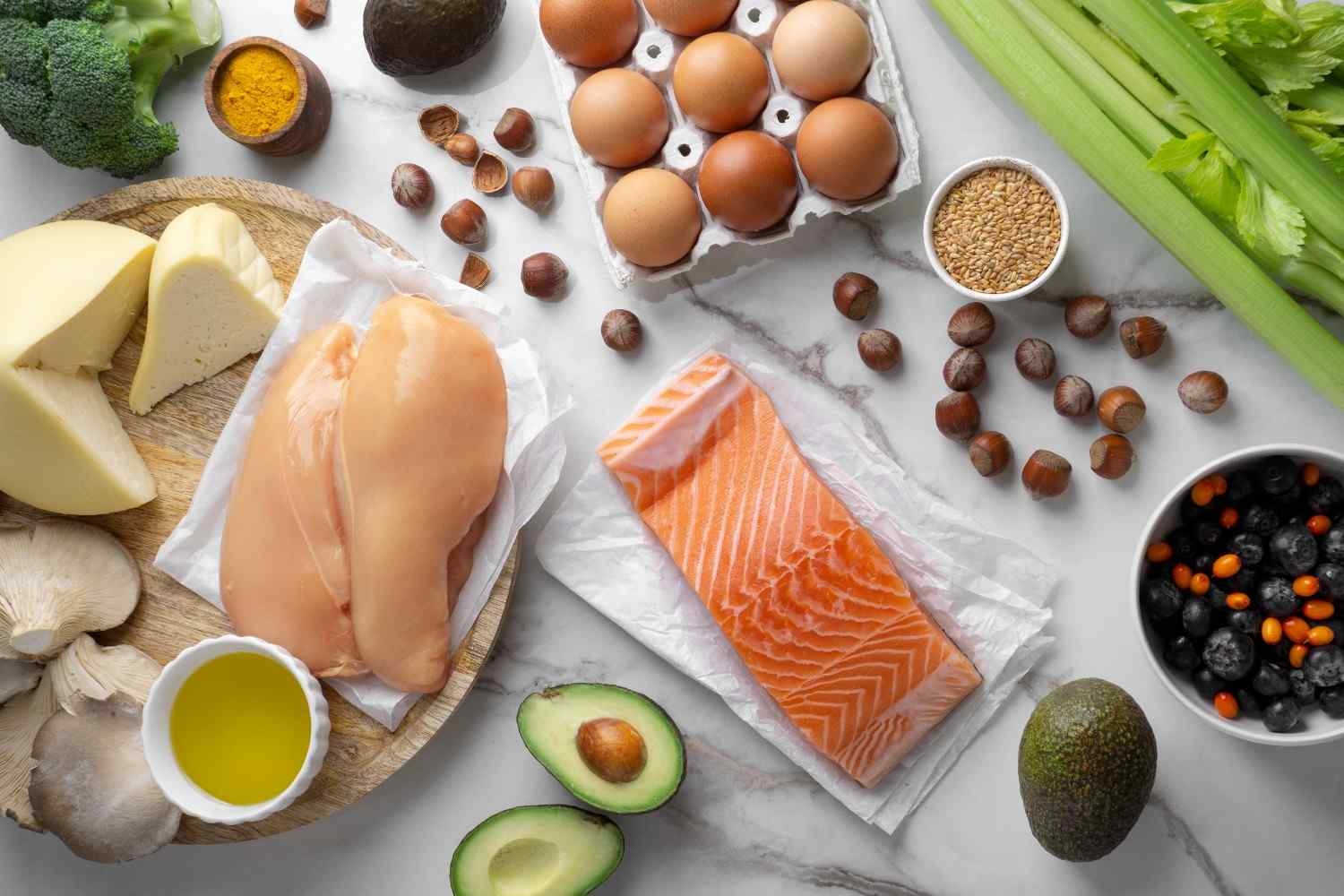
Food is the most practical place to start because GLP-1 is released after eating. Certain foods are more likely to support fullness and metabolic balance than others.
| Food | Why It Helps |
| Eggs, fish, Greek yogurt, tofu | Protein helps stimulate satiety hormones |
| Oats, beans, lentils, chia seeds | Soluble fiber slows digestion and supports fullness |
| Vegetables and berries | Fiber and polyphenols support gut and metabolic health |
| Fermented foods | May support microbial diversity |
| Nuts and seeds | Healthy fats and fiber help meals feel more satisfying |
Protein-rich foods are especially helpful because they tend to create a stronger feeling of fullness after meals. Fiber works differently. It slows digestion and feeds beneficial gut bacteria, which may influence metabolic signaling over time. The most underrated option is legumes. Beans, lentils, and chickpeas contain both protein and fiber, making them one of the most practical GLP-1 booster foods for everyday meals.
5 Natural GLP-1 Boosters
Read about the practices that actually work:
1. Protein at Breakfast
Starting the day with protein can make a noticeable difference in hunger patterns. A breakfast built around eggs, Greek yogurt, tofu, cottage cheese, or a protein smoothie may help reduce the mid-morning snack spiral. This does not mean skipping carbs. It means making protein the anchor of the meal so your body gets stronger satiety signals early in the day.
2. More Soluble Fiber
Soluble fiber is one of the most reliable nutrients for appetite support. It forms a gel-like texture in the digestive tract, helping slow digestion and support more gradual energy release. Good sources include oats, beans, lentils, apples, flaxseeds, chia seeds, and psyllium husk. Fiber is not flashy, but it works. For many people, increasing fiber slowly is one of the simplest ways to feel fuller without feeling restricted.
3. Gut Health Support
Your gut plays a direct role in GLP-1 because this hormone is produced in the intestine. The microbiome may also influence GLP-1 through short-chain fatty acids, which are produced when beneficial bacteria ferment fiber. This is one reason gut health matters for appetite regulation. A balanced gut environment can help support digestion, nutrient processing, and internal signaling.
While building meals around protein and fiber is the foundation, some people also choose to add a GLP-1 booster to their routine. These supplements are designed to support the body’s natural GLP-1 production pathways, helping promote appetite control and healthier eating habits. They are not a replacement for a balanced lifestyle, but they can be a helpful addition for those looking for extra support on their weight loss journey.
4. Regular Movement
Exercise supports insulin sensitivity, energy balance, and appetite regulation. It may also influence GLP-1 activity, especially when combined with a nutrient-dense diet. You do not need an intense gym routine to benefit. Walking after meals, strength training a few times per week, cycling, Pilates, or dancing in your kitchen all count. The body responds best to consistency. Movement should feel like support, not punishment.
5. Better Sleep
Sleep affects hunger hormones, cravings, blood sugar regulation, and food choices the next day. After poor sleep, many people feel hungrier and less satisfied after meals. This does not mean one bad night ruins everything. But if sleep is consistently short or irregular, appetite signals can become harder to manage. A simple goal is to create a more predictable evening rhythm. Dim the lights earlier, reduce late-night snacking when possible, and give your body enough time to fully rest.
Are GLP-1 Booster Supplements Worth It?
A GLP-1 booster supplement can be useful, but only if the formula makes sense. Some products focus on fiber, probiotics, plant extracts, or ingredients that support blood sugar balance. Others rely mostly on marketing. The best GLP-1 booster supplement should have a clear purpose. It should support digestion, fullness, gut balance, or metabolic wellness without promising medication-like results. Be careful with products that claim dramatic weight loss without lifestyle changes. Natural support works gradually. If a product sounds too extreme, it probably is. A good supplement should make healthy habits easier to maintain. It should not replace protein, fiber, sleep, or movement.
What GLP-1 Booster Reviews Often Miss
GLP-1 booster reviews can be helpful, but they are not always the full story. Someone may notice fewer cravings because they also started eating more protein. Someone else may see no change because they are sleeping poorly, eating very little fiber, or expecting results within a few days. Natural appetite support depends on context. Your gut health, meals, stress, sleep, and activity all shape how your body responds. This is why reviews should be read carefully. Look for realistic experiences, not dramatic promises.
Could Your Routine Be Supporting GLP-1 Better?
Take a quick check-in.
1. Do you eat protein with your first meal?
2. How often do you eat fiber-rich foods?
3. How stable is your sleep routine?
4. How often do you move your body?
How to Support GLP-1 Naturally in Real Life
The most effective natural GLP-1 booster is not a magic capsule. It is a routine that helps your body feel safe, nourished, and steady. Build meals around protein. Add fiber slowly. Support your gut. Move regularly. Protect your sleep. These habits may sound simple, but they influence the same systems that control hunger, fullness, digestion, and metabolic balance. In 2026, the smartest approach to GLP-1 is not chasing the strongest trend. It is understanding how your body already works and giving it better support every day.


Related articles



Less gut discomfort. More freedom to enjoy life.
Take our 1-min quiz to find out your gut type and get personalized advice and probiotics to relieve constipation, bloating, and other digestive issues.


