GLP-1 Without Ozempic: Is It Possible?


Ozempic has transformed the conversation around weight loss. What was once a hormone most people had never heard of is now discussed everywhere, from doctor’s offices to social media feeds. As interest in GLP-1 continues to grow, many people are asking a simple question: can you support GLP-1 without Ozempic? The answer is yes, but it is important to understand what that actually means. Supporting your body’s natural GLP-1 production is not the same thing as taking a prescription GLP-1 medication. However, there are ways to work with your body’s existing appetite regulation systems through food, lifestyle habits, and targeted support.
Is Ozempic a GLP-1?
Technically, Ozempic is not GLP-1, but it belongs to a class of medications called GLP-1 receptor agonists. These medications are designed to mimic the effects of the naturally occurring GLP-1 hormone that your body already produces. GLP-1, which stands for glucagon-like peptide-1, is released primarily in the gut after eating. It helps regulate appetite, supports blood sugar control, slows stomach emptying, and sends fullness signals to the brain. Ozempic works by activating the same pathways, but it does so in a much stronger and longer-lasting way than naturally produced GLP-1. Many people assume that GLP-1 only exists as a medication. In reality, your body relies on this hormone every day, regardless of whether you take a prescription drug

What Does GLP-1 Actually Do in the Body?
GLP-1 plays a central role in appetite regulation. After a meal, it helps communicate to the brain that you’ve eaten enough and can begin feeling satisfied. It also slows the rate at which food leaves the stomach, which can contribute to a longer-lasting feeling of fullness.
Beyond appetite, GLP-1 influences blood sugar regulation by helping the body release insulin when needed. This is one reason why GLP-1 medications were originally developed for people with type 2 diabetes before becoming widely known for weight loss. What makes GLP-1 particularly interesting is that it sits at the intersection of several important systems. It connects the gut, the brain, appetite regulation, and metabolism.
Can You Increase GLP-1 Naturally?
While nothing outside of prescription medication can replicate the exact effects of Ozempic, research suggests that certain lifestyle habits may support natural GLP-1 production.
Protein appears to be one of the strongest dietary triggers. Meals rich in protein tend to increase satiety and may stimulate the release of hormones involved in appetite regulation, including GLP-1. This is one reason high-protein breakfasts often leave people feeling satisfied for longer than highly processed alternatives.
Fiber also plays an important role. Certain fibers are fermented by beneficial gut bacteria, producing compounds called short-chain fatty acids. These compounds may interact with cells in the intestine that help regulate GLP-1 release. This connection highlights the growing relationship between gut health and appetite regulation.
Regular physical activity and adequate sleep may also contribute indirectly by supporting metabolic health and helping maintain healthy appetite signaling. While these factors may not dramatically increase GLP-1 on their own, they help create conditions where the body’s natural regulatory systems can function more effectively.
The Foods Most Closely Linked to GLP-1 Production
| Food | Why It Matters |
|---|---|
| Eggs, fish, Greek yogurt | Rich sources of protein that support satiety |
| Beans and lentils | Provide both protein and fermentable fiber |
| Oats | Contain soluble fiber that supports gut health |
| Vegetables | Help increase fiber intake and microbial diversity |
| Nuts and seeds | Support fullness and balanced meals |
When people search for GLP-1 booster foods, they are often hoping to find one ingredient that dramatically changes appetite. The reality is usually less exciting but more effective. A dietary pattern rich in protein, fiber, and minimally processed foods appears to provide the strongest support for healthy appetite regulation. The good news is that these foods also support overall health, making them valuable even beyond their potential influence on GLP-1.
What Is a GLP-1 Booster?
The term “GLP-1 booster” has become increasingly popular, but it can mean different things depending on the context. Generally, a GLP-1 booster refers to a supplement, food, or ingredient intended to support the body’s natural GLP-1 production pathways. Unlike prescription medications, these products do not directly replace or mimic GLP-1. Instead, they aim to work alongside the body’s existing systems.
A GLP-1 booster supplement may include ingredients such as prebiotics, probiotics, fiber, or compounds that support the gut environment involved in appetite signaling. Because much of the body’s GLP-1 activity originates in the digestive tract, many formulations focus on gut health as part of their approach.

Can a GLP-1 Booster Replace Ozempic?
A GLP-1 booster cannot replace Ozempic in terms of potency, mechanism, or clinical outcomes. Prescription GLP-1 medications are specifically engineered to activate GLP-1 receptors in a way that significantly influences appetite and blood sugar regulation. Natural approaches work differently. Their role is to support the body’s existing systems through nutrition, gut health, and lifestyle factors. For some people, this may be enough to help improve appetite awareness and support healthier eating habits. For others, medical treatment may still be appropriate. The goal should not be to compare every option against Ozempic. Instead, it is more helpful to ask what level of support makes sense for your individual situation and health goals.
What to Look for in a GLP-1 Booster Supplement
If you’re considering a GLP-1 booster supplement, ingredient quality matters far more than marketing claims. Many products focus on supporting the gut environment because of its role in appetite regulation. Ingredients such as prebiotic fibers, probiotics, and compounds that support microbial diversity are common because they align with current research exploring the relationship between gut health and GLP-1 signaling.
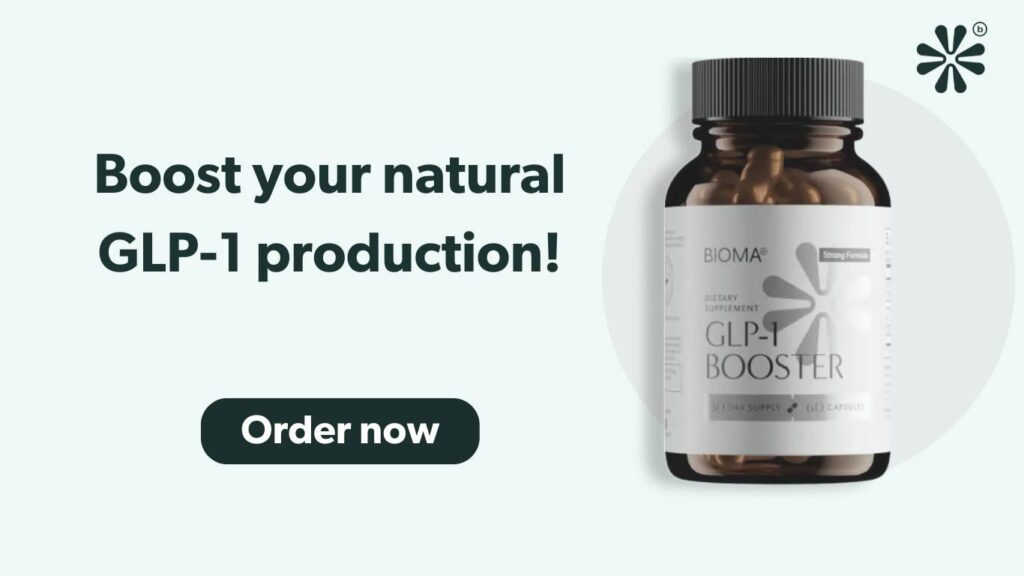
Transparency is another important factor. The best GLP-1 booster supplement should clearly disclose its ingredients, explain how the formula is intended to work, and avoid unrealistic promises. For example, our GLP-1 Booster combines prebiotics, probiotics, and clinically studied ingredients that support natural GLP-1 production pathways through the gut, rather than attempting to mimic prescription medications directly.
Research increasingly suggests that the gut microbiome plays a role in appetite regulation and satiety signaling. Because of this, many experts believe that supporting gut health may be one of the most promising areas for natural GLP-1 support. Products that combine microbiome-focused ingredients with appetite-supporting compounds may offer a more comprehensive approach than relying on a single ingredient alone.
What GLP-1 Booster Reviews Often Get Wrong
Reading GLP-1 booster reviews can be helpful, but they should be interpreted carefully. One of the biggest mistakes people make is expecting immediate results. Appetite regulation is influenced by many factors, including sleep, stress, meal quality, activity levels, and gut health. A supplement cannot operate independently of those influences.
Another common misunderstanding is assuming that all products work in the same way. Different formulations use different ingredients and target different pathways. This makes direct comparisons difficult and explains why individual experiences can vary. The most useful reviews tend to come from people who view supplements as part of a broader health strategy rather than a standalone solution.
So, Is GLP-1 Without Ozempic Possible?
The growing interest in GLP-1 has helped people better understand how appetite regulation actually works. While Ozempic and other prescription medications have brought attention to this hormone, they are not the only way GLP-1 exists in the body.
Your body naturally produces GLP-1 every day. Factors such as protein intake, dietary fiber, gut health, physical activity, and sleep all influence the systems connected to appetite regulation and satiety. While these approaches will not replicate the effects of prescription medication, they can help support the body’s natural pathways.
For many people, the most sustainable strategy is not looking for a single solution. It is combining healthy habits with tools that support long-term consistency. Understanding how GLP-1 works is a valuable first step toward making choices that feel realistic, informed, and sustainable.
Sources
- Holst, J.J. (2019). The physiology of glucagon-like peptide 1. Physiological Reviews.
- Muller, T.D., Finan, B., Bloom, S.R., et al. (2019). Glucagon-like peptide 1 (GLP-1). Molecular Metabolism.
- Muller, P.A., Matheis, F., & Schneeberger, M. (2020). Gut hormones and the microbiota: Emerging links in appetite regulation. Nature Reviews Endocrinology.
- Fan, Y., & Pedersen, O. (2021). Gut microbiota in human metabolic health and disease. Nature Reviews Microbiology.
- Blaak, E.E., Canfora, E.E., Theis, S., et al. (2020). Short-chain fatty acids in human gut and metabolic health. Beneficial Microbes.
- Astrup, A., Raben, A., & Geiker, N. (2015). The role of higher protein diets in weight control and obesity-related comorbidities. International Journal of Obesity.


Related articles



Less gut discomfort. More freedom to enjoy life.
Take our 1-min quiz to find out your gut type and get personalized advice and probiotics to relieve constipation, bloating, and other digestive issues.


