You’re Not Lazy — Your Gut Might Be Working Against You


You wake up already feeling behind. Even after a full night of sleep, your energy is low, your focus is inconsistent, and simple tasks feel harder than they should. It is easy to label this as laziness or lack of discipline, especially when everything around you tells you to just “push through.” But what if the problem is not your motivation at all?
More and more research points to something deeper. Your gut microbiome, the ecosystem of bacteria living in your digestive system, plays a major role in how you feel, think, and function. When your gut is out of balance, it can affect your energy, mood, and even your ability to stay productive. This is why many people struggling with constant fatigue or low motivation are not actually lazy. Their body is simply not working with them.

What Your Gut Actually Controls (Beyond Digestion)
Most people think of gut health as something that only affects digestion. But your gut does far more than process food. It is deeply connected to your brain, your immune system, and your overall energy regulation. The bacteria in your gut influence how nutrients are absorbed, how inflammation is managed, and how signals are sent throughout your body.
This is why poor gut health can show up in unexpected ways. You might experience brain fog, low motivation, or inconsistent energy without realizing that your gut is involved. The connection between your gut and brain is often referred to as the gut-brain axis, and it explains why your physical state can directly influence your mental state. When your gut is balanced, everything feels smoother. When it is not, even simple things can feel like a struggle.
The Real Reason You Feel Unmotivated
When your gut is out of balance, your body has to work harder just to maintain basic functions. This can lead to a constant feeling of fatigue that does not go away with rest. Your body may struggle to extract energy efficiently from food, which means you are not getting the fuel you need even if your diet seems fine. Over time, this creates a pattern where you feel tired, unmotivated, and mentally drained.
This is often misinterpreted as laziness, but it is actually a biological issue. If your gut bacteria are not balanced, your system is not operating at full capacity. You may notice that your energy drops quickly, your focus is inconsistent, and your motivation fluctuates throughout the day. These are not character flaws. They are signals that something in your internal system needs attention.

10 Signs of an Unhealthy Gut Most People Ignore
Many people live with poor gut health without realizing it, because the symptoms are often subtle and spread across different areas of the body. Recognizing these signs can help you understand whether your gut might be contributing to how you feel.
- Frequent bloating or discomfort after eating
- Irregular digestion or unpredictable bowel patterns
- Constant low energy or fatigue
- Brain fog or difficulty concentrating
- Strong cravings for sugar or processed foods
- Skin issues without a clear cause
- Food sensitivities that developed over time
- Feeling tired after meals
- Unusual gut noises or discomfort
- A general feeling that your body is “off”
These signs often appear gradually, which is why they are easy to dismiss. However, when several of them occur together, they usually point to an imbalance in your gut microbiome. Instead of treating each symptom separately, it is more effective to look at the bigger picture.
Why Your Gut Microbiome Gets Out of Balance
Your gut microbiome is constantly influenced by your daily habits. Diet is one of the biggest factors, especially when it lacks diversity or relies heavily on processed foods. These foods can reduce the number of beneficial bacteria in your gut while allowing less helpful strains to grow. Over time, this reduces your microbiome diversity, which is essential for maintaining balance.
Stress also plays a major role. Chronic stress affects how your gut functions and can disrupt the balance of bacteria. In addition, factors like poor sleep, frequent antibiotic use, and lack of fiber can further weaken your gut environment. The problem is not usually one single factor, but a combination of small habits that accumulate over time. This is why many people do not notice the shift until symptoms become more persistent.

How to Improve Gut Health Without Overcomplicating It
Improving your gut health does not require extreme diets or complicated routines. In fact, the most effective approach is usually based on simple, consistent habits that support your microbiome over time.
- Eating a variety of whole foods helps increase beneficial gut bacteria
- Including fiber-rich foods supports digestion and microbiome balance
- Reducing processed foods lowers unnecessary strain on your system
- Staying consistent with sleep helps regulate internal processes
- Daily movement supports digestion and overall gut function
These changes may seem basic, but they directly influence how your gut operates. Over time, they can help restore balance and improve how your body feels on a daily basis. The goal is not perfection, but consistency.
Where Probiotics and Gut Health Supplements Fit In
While diet and lifestyle are essential, they are not always enough to fully restore balance, especially if your gut has been disrupted for a long time. This is where gut health supplements and probiotics can play a supportive role. Probiotics introduce beneficial bacteria into your system, helping to rebuild and stabilize your microbiome.
However, not all probiotics are the same. The effectiveness depends on the strains used and how well they are supported by your overall habits. Choosing the best probiotics for gut health means looking for products that are designed to work with your body rather than simply adding generic bacteria. When used correctly, probiotics can help support digestion, improve energy levels, and reduce some of the symptoms associated with poor gut health.
Supporting Your Gut at the Right Level
For people who are experiencing ongoing issues, a more targeted approach can make a difference. This is where solutions like Bioma Probiotics come in. Instead of taking a broad approach, they focus on specific strains that are designed to support microbiome balance and improve how your gut functions over time.
By supporting your gut at a deeper level, this type of approach can help create a more stable internal environment. This may lead to better digestion, more consistent energy, and a reduced feeling of constant fatigue. It is not about instant results, but about building a system that works more efficiently in the long term.

Interactive Gut Health Test
Below is a simple self-check you can use to get a better sense of your current gut health. Select the statements that apply to you and see what your results suggest.
Gut Health Test: Is Your Gut Working Against You
Do You Need a Gut Cleanse or a Smarter Approach
The idea of a gut cleanse has become extremely popular, especially among people who feel constantly tired, bloated, or “off.” It sounds appealing because it promises a quick reset, a way to clean your system and start fresh. But the reality is more complex. Your gut does not work like a surface that can simply be wiped clean. It is a living ecosystem that depends on balance rather than elimination.
When people search for how to clean your gut, they are often looking for fast results. However, aggressive cleanses or restrictive approaches can sometimes do more harm than good. Instead of supporting beneficial bacteria, they may disrupt the microbiome even further. This can lead to temporary improvement followed by the same or even worse symptoms returning later.
A more effective approach is to focus on rebuilding rather than removing. Supporting your gut microbiome through consistent nutrition, targeted probiotics, and stable habits creates long-term improvement instead of short-term relief. This is why the question is not whether you need a gut cleanse, but whether your current approach is actually helping your system become more balanced over time.
It’s Not You, It’s Your System
If you constantly feel tired, unmotivated, or mentally drained, it is worth questioning the assumption that the problem is simply a lack of effort. Your body is a system, and when one part of that system is not functioning properly, it affects everything else. Your gut is one of the most important parts of that system.
Instead of blaming yourself, it may be more productive to look at what your body is trying to tell you. Improving your gut health is not just about digestion. It is about creating the conditions where your energy, focus, and motivation can naturally improve. When your system starts working with you instead of against you, everything else becomes easier.
Related articles



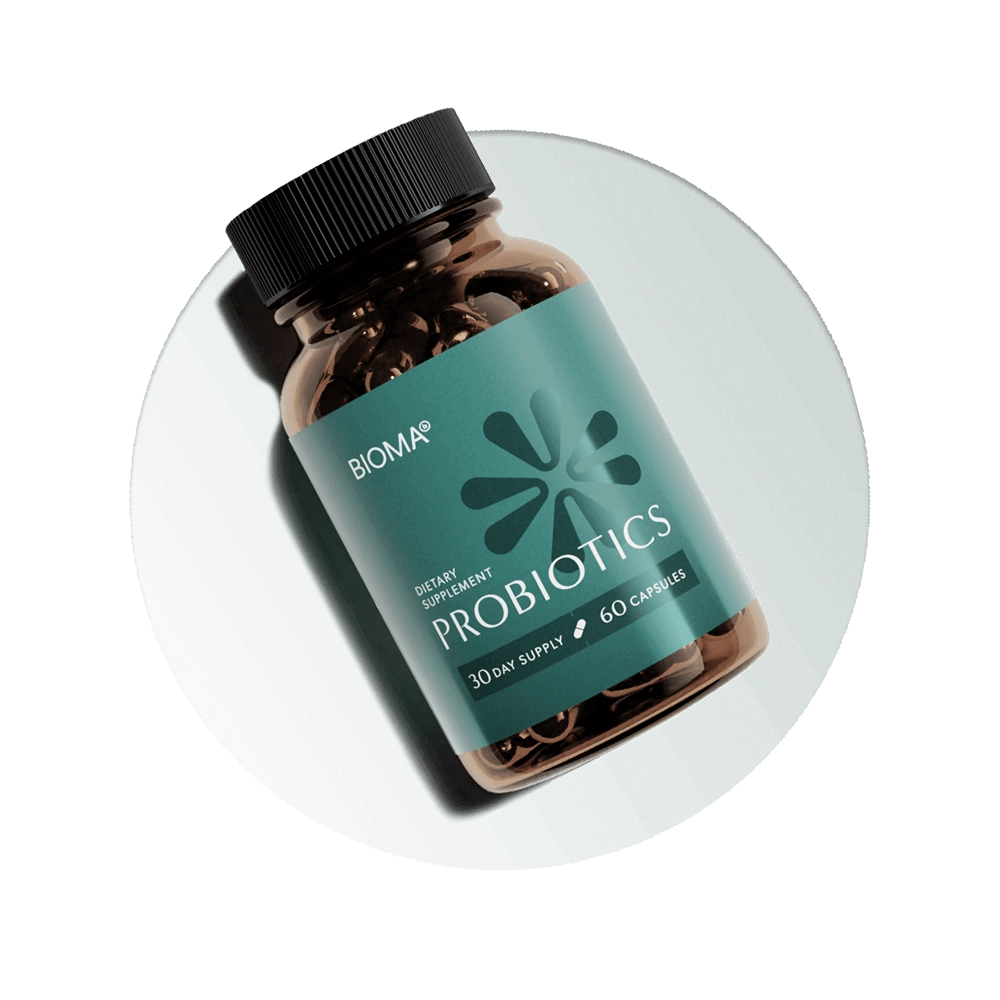
Less gut discomfort. More freedom to enjoy life.
Take our 1-min quiz to find out your gut type and get personalized advice and probiotics to relieve constipation, bloating, and other digestive issues.


