Your Microbiome at 20 vs 40 vs 60: What Changes


You might be 30, 40, or even 25, but your gut could be telling a completely different story. While most people think of aging as something visible on the outside, one of the most important aging processes happens internally. Your microbiome, the ecosystem of bacteria living in your gut, evolves constantly over time. In many cases, your microbiome age can move faster than your actual age, depending on how you live.
This matters more than most people realize. The state of your gut affects your energy, digestion, metabolism, and even how your body responds to food. Understanding how the gut microbiome changes over time is not just interesting. It can explain why your body feels different at different stages of life, even when your habits have not changed dramatically.
What Is the Gut Microbiome (And Why It Changes Over Time)
The gut microbiome refers to the trillions of microorganisms living in your digestive system. These bacteria are not just passive residents. They actively help break down food, produce essential compounds, support your immune system, and regulate how your body functions day to day. When your microbiome is balanced, these processes run smoothly. When it is not, small disruptions can start to appear across different areas of your health.
What makes the microbiome unique is how responsive it is to your environment. Unlike your genetics, it is constantly shaped by your diet, stress levels, lifestyle, and even sleep patterns. This is why it changes over time. As your habits shift and your body ages, your microbiome adapts. Sometimes this adaptation supports your health. Other times, it leads to a gradual decline in diversity and balance, which can affect how you feel.
Your Microbiome in Your 20s: Flexible but Vulnerable
In your twenties, your microbiome is typically at its most flexible. It can adapt quickly to changes in diet and lifestyle, which is why many people can get away with inconsistent habits without immediate consequences. Diversity is usually higher at this stage, meaning your gut has a wider range of bacteria supporting different functions.
However, this flexibility also comes with vulnerability. Diets high in processed foods, irregular eating patterns, and chronic stress can start to shape the microbiome in ways that are not immediately noticeable. You may still feel fine on the surface, but subtle changes are already happening. Energy fluctuations, occasional bloating, or inconsistent digestion can be early signs that your microbiome is being pushed out of balance.

Your Microbiome in Your 40s: Slower and More Sensitive
By your forties, your microbiome often becomes less adaptable and more sensitive to changes. Diversity may begin to decline, especially if lifestyle habits have not supported long-term balance. This is the stage where people often start noticing that their body reacts differently to foods that never caused issues before.
One of the most common shifts is how the body handles weight. The connection between microbiome and weight loss becomes more noticeable, as changes in gut bacteria can influence metabolism and how efficiently your body processes calories. This is why maintaining the same habits that worked in your twenties may no longer produce the same results. Your internal system is operating differently, even if your routine has not changed much.
Your Microbiome in Your 60s: Stability vs Decline
In your sixties and beyond, the microbiome often reaches a point where it either stabilizes or declines further, depending on long-term habits. Diversity is typically lower, and the gut may become less efficient at breaking down food and absorbing nutrients. This can lead to reduced energy levels and increased sensitivity to certain foods.
At the same time, this stage is not purely about decline. Many people maintain a relatively strong and stable microbiome well into later life, especially if they have supported it consistently. The difference between stability and decline often comes down to how well the microbiome has been maintained over time. Even at this stage, the gut remains adaptable, although changes may take longer to show results.

What Actually Ages Your Microbiome Faster
While aging is a natural process, certain factors can accelerate how quickly your microbiome loses balance. These influences are often part of everyday life, which makes them easy to overlook.
- Diets high in processed foods and low in nutrients
- Chronic stress that keeps the body in a constant reactive state
- Frequent antibiotic use that disrupts bacterial balance
- Low fiber intake that limits support for beneficial bacteria
- Lack of dietary diversity
These factors do not cause immediate damage on their own. Instead, they gradually reduce microbiome diversity and resilience over time. This is why microbiome aging often feels invisible at first. It builds slowly, until the effects become noticeable through digestion, energy, or overall well-being.
Can You Reverse Your Microbiome Age
The encouraging part of this process is that your microbiome is not fixed. Unlike many aspects of aging, it has the ability to adapt and recover when given the right conditions. This means that even if your microbiome has declined, it is possible to improve its balance and function over time.
Reversing microbiome age does not mean returning to a perfect state, but it does mean improving diversity and stability. As your microbiome becomes more balanced, your body often responds with better digestion, more consistent energy, and improved overall function. The key is consistency. Small changes, applied over time, can gradually shift your internal environment in a more positive direction.
Powering Your Gut the Right Way
While general lifestyle changes are important, they are not always enough on their own. In some cases, your microbiome may need more targeted support to restore balance effectively. This is especially true if it has been influenced by long-term habits that reduced diversity or disrupted stability.
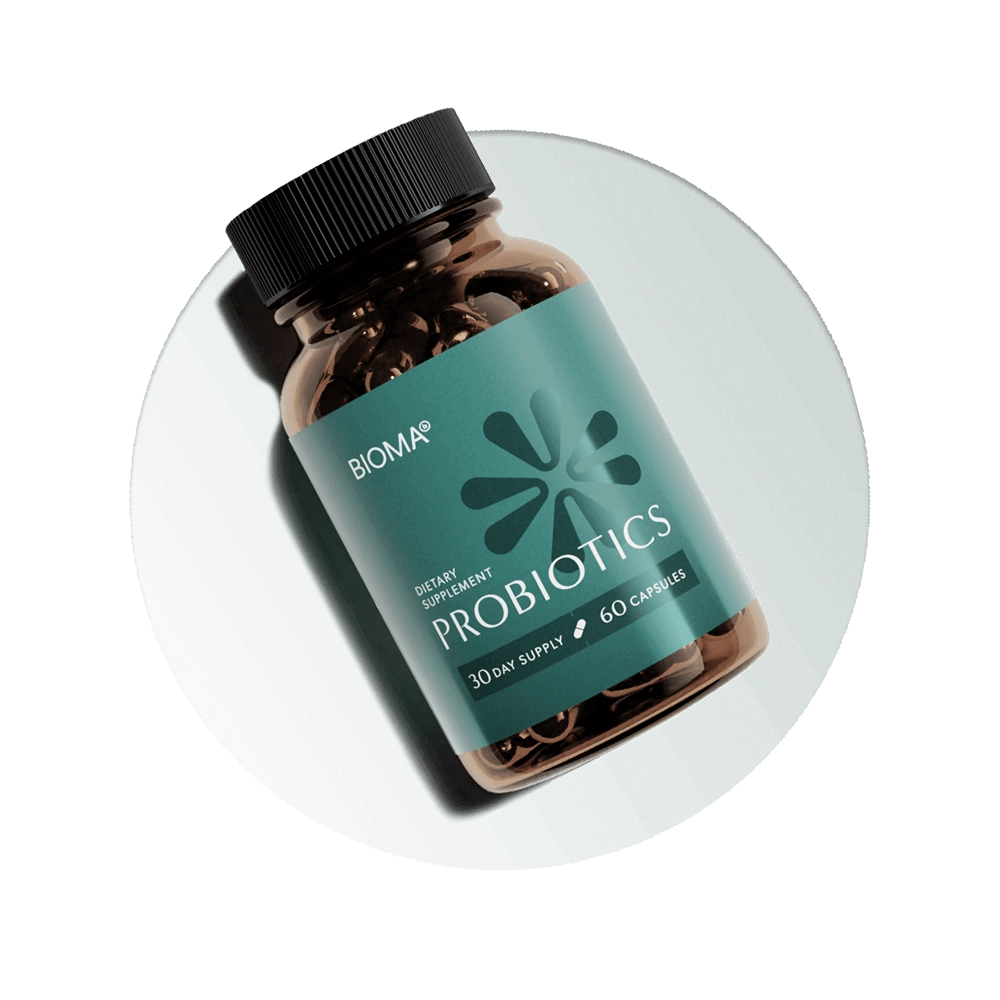
This is where solutions like Power your gut with Bioma can provide additional support. By focusing on microbiome balance and targeted strains, they are designed to help your gut function more efficiently over time. Instead of acting as a quick fix, this approach supports the underlying system that influences digestion, energy, and overall well-being. When your microbiome is supported properly, it becomes easier for your body to operate in a more stable and consistent way.

Test: What Is Your Gut Age
Below is a simple interactive test to help you estimate your gut age based on your current habits and how your body feels. Select the statements that apply to you and check your result.
Your Gut Age Is Something You Can Change
Your microbiome is constantly evolving, but it is not something you are stuck with. While it changes with age, it is also shaped by how you live. This means you have more control than you might think. Your gut does not just age with time. It responds to your habits every single day.
Instead of seeing gut health as something static, it is more accurate to see it as something dynamic. When you support your microbiome, you are not just improving digestion. You are influencing how your body feels, performs, and adapts over time. In that sense, your gut age is not just a number. It is a reflection of how well your internal system is working right now.
Related articles



Less gut discomfort. More freedom to enjoy life.
Take our 1-min quiz to find out your gut type and get personalized advice and probiotics to relieve constipation, bloating, and other digestive issues.


