Your Gut Is Aging Faster Than You — Here’s How to Reverse It


You might feel young, active, and relatively healthy, yet your body could be telling a different story beneath the surface. Subtle signs like frequent bloating, low energy after meals, or new food sensitivities often appear gradually, making them easy to ignore at first. Many people assume these changes are just a normal part of getting older, but that is not always the case. In reality, your digestive system can begin to decline much earlier than you expect, even in your twenties or thirties.
This is where the idea of an aging digestive system becomes important. Your gut does not age strictly according to your birth date. Instead, it reflects your lifestyle, diet, stress levels, and environment. The concept of gut health and aging is less about how old you are and more about how well your internal systems are functioning. Understanding this distinction is the first step toward recognizing that these changes are not inevitable, and in many cases, they can be reversed.

What Does It Mean for Your Gut to “Age”
When people hear the term “aging,” they usually think about visible changes like wrinkles or reduced physical performance. However, aging also happens internally, and your gut is one of the first systems to be affected. As your gut ages, the diversity of your microbiome begins to decline. This means you have fewer beneficial bacteria supporting digestion, immunity, and overall balance. At the same time, harmful bacteria can become more dominant, creating an imbalance that affects how your body processes food.
This shift does not just impact digestion. It also influences inflammation levels, nutrient absorption, and even how your body responds to stress. Over time, these changes can make your system less efficient and more sensitive. What is important to understand is that this process is not strictly tied to chronological age. You can be relatively young but still experience signs of accelerated gut aging if your lifestyle consistently disrupts your microbiome. In that sense, your gut age can move faster than the rest of your body.
The Early Signs Your Digestive System Is Aging
The early signs of gut aging rarely appear all at once. Instead, they tend to develop slowly, often blending into what people consider normal daily discomfort. However, when you look closely, certain patterns begin to emerge that indicate your digestive system may not be functioning optimally.
- More frequent bloating, even after meals that used to feel fine
- Slower digestion or a feeling of heaviness after eating
- Increased sensitivity to specific foods that never caused issues before
- Persistent low energy, especially in the afternoon
- Irregular digestion patterns that feel unpredictable
These symptoms are often interconnected rather than isolated problems. They suggest that your gut is struggling to maintain balance, which can affect how efficiently your body processes nutrients and regulates energy. The key issue is not just discomfort, but the gradual decline in how well your digestive system supports your overall health.

Why Modern Life Is Accelerating Gut Aging
One of the most important factors behind early gut aging is the environment we live in today. Modern lifestyles introduce constant pressure on the digestive system, often without us realizing it. Diet plays a major role, especially when it is heavily based on ultra-processed foods that lack the nutrients needed to support a healthy microbiome. These foods can feed less beneficial bacteria while reducing the diversity that keeps your gut resilient.
Stress is another major contributor. Chronic stress affects how your body communicates with your digestive system, often slowing down or disrupting normal processes. Over time, this can weaken your gut’s ability to function efficiently. In addition, factors like frequent antibiotic use and lack of dietary variety can further reduce microbiome diversity. The result is not simply that you are aging faster, but that your environment is accelerating the aging of your gut. Recognizing this helps shift the focus from inevitability to something you can actively influence.
The Gut–Energy–Mood Connection You Can’t Ignore
As your gut begins to lose balance, the effects are not limited to digestion alone. One of the most noticeable changes is a drop in energy levels. This happens because your gut plays a central role in breaking down food and absorbing nutrients that your body uses for fuel. When this process becomes less efficient, even a good diet may not translate into consistent energy.
In addition to energy, your gut also influences your mood and mental clarity. The gut and brain are closely connected through the gut-brain axis, meaning changes in your microbiome can affect how you feel emotionally. This is why people with poor gut health often report brain fog, irritability, or a general sense of low motivation. The connection between gut health and aging becomes especially clear here, as an aging gut can gradually impact multiple aspects of your daily life. What starts as a digestive issue can evolve into a broader sense of fatigue and imbalance.

Can You Actually Reverse Gut Aging
The idea that your gut can age faster than you might sound concerning, but there is also a positive side to this. Unlike many aspects of aging, your gut microbiome is highly adaptable. This means that with the right approach, it is possible to restore balance and improve function over time. The key is consistency rather than quick fixes.
Reversing gut aging does not happen overnight, but your body responds to gradual, sustained changes. By improving the environment in which your microbiome exists, you can encourage beneficial bacteria to grow and regain diversity. This, in turn, supports better digestion, more stable energy, and improved overall resilience. The process is not about completely resetting your system, but about guiding it back toward a healthier state.
How to Support a Younger, Healthier Gut
Supporting your gut is less about extreme interventions and more about building habits that promote long-term balance. The goal is to create conditions where beneficial bacteria can thrive while reducing factors that disrupt your system.
- Eating a diverse range of whole foods helps increase microbiome diversity
- Prioritizing fiber supports digestion and feeds beneficial bacteria
- Reducing ultra-processed foods limits unnecessary strain on your gut
- Maintaining good sleep and managing stress supports overall regulation
- Regular movement helps stimulate healthy digestion
These strategies work together to address the root causes of gut aging rather than just the symptoms. When applied consistently, they can gradually improve how your digestive system functions. Over time, this leads to a noticeable difference in how your body responds to food, manages energy, and maintains balance throughout the day.
Why Your Microbiome Needs Targeted Support
While lifestyle changes are essential, they are not always enough on their own. In some cases, your gut may need more targeted support to restore balance effectively. This is especially true if your microbiome has been disrupted for a long time or exposed to multiple stressors. Supporting your gut at a deeper level can help accelerate the process of rebuilding a healthier internal environment.
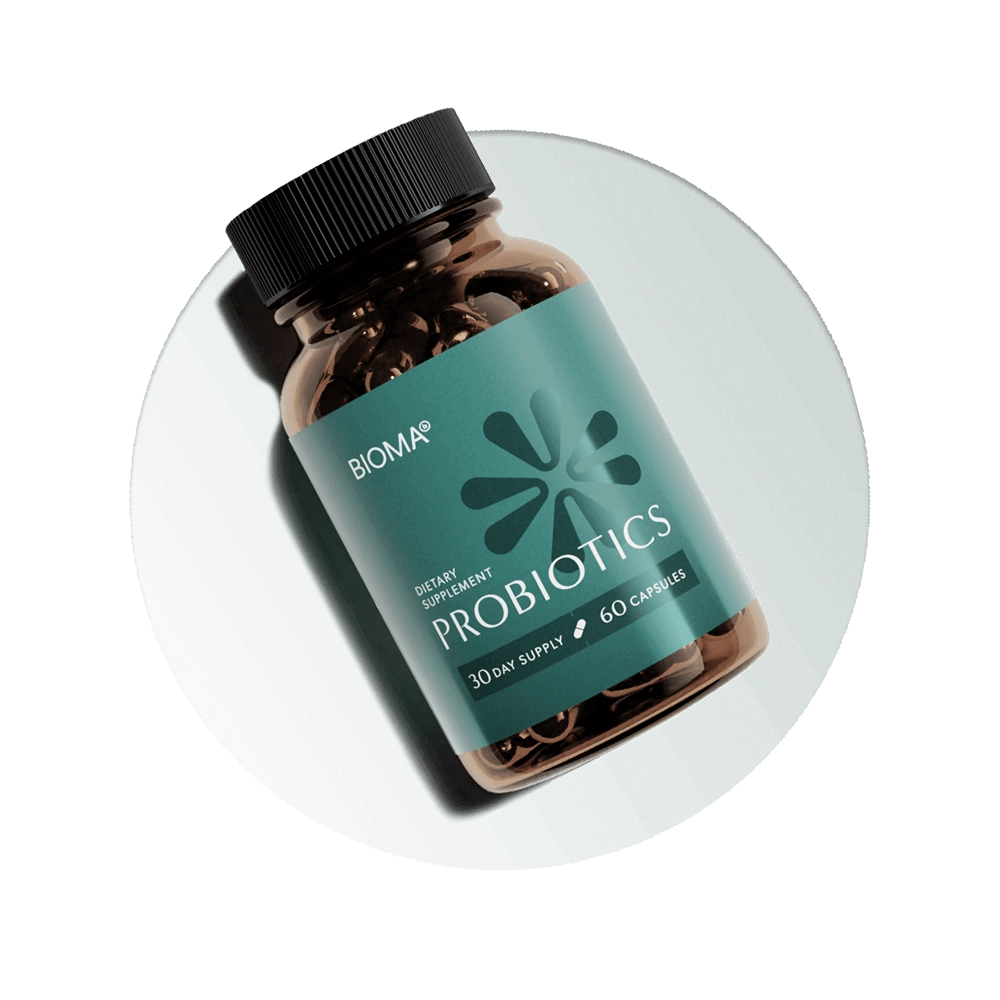
This is where solutions like Bioma Probiotics can play a meaningful role. By focusing on specific strains that are designed to support microbiome balance, they aim to address both digestion and overall gut function. Rather than offering a generic approach, targeted probiotics can help reinforce the foundation your gut needs to recover and maintain stability. Over time, this kind of support can contribute to better energy, improved digestion, and a more resilient system.

Your Gut Age Is Not Fixed
The idea that your gut can age faster than you might initially feel discouraging, but it also comes with an important insight. Your gut age is not fixed. Unlike many aspects of aging that are difficult to influence, your digestive system responds directly to how you live, eat, and manage stress. This means you have more control than you might think.
Instead of accepting discomfort or low energy as something normal, it is worth looking at what your body is trying to tell you. Small, consistent changes can have a significant impact over time, especially when they are focused on supporting your gut. By improving your internal environment, you are not just addressing symptoms, but actively shaping how your body functions in the long term. In that sense, taking care of your gut is not just about digestion, but about maintaining a higher quality of life as you move forward.
Related articles



Less gut discomfort. More freedom to enjoy life.
Take our 1-min quiz to find out your gut type and get personalized advice and probiotics to relieve constipation, bloating, and other digestive issues.


