Why Your Body Changed After 30 (And It’s Not Just Hormones)

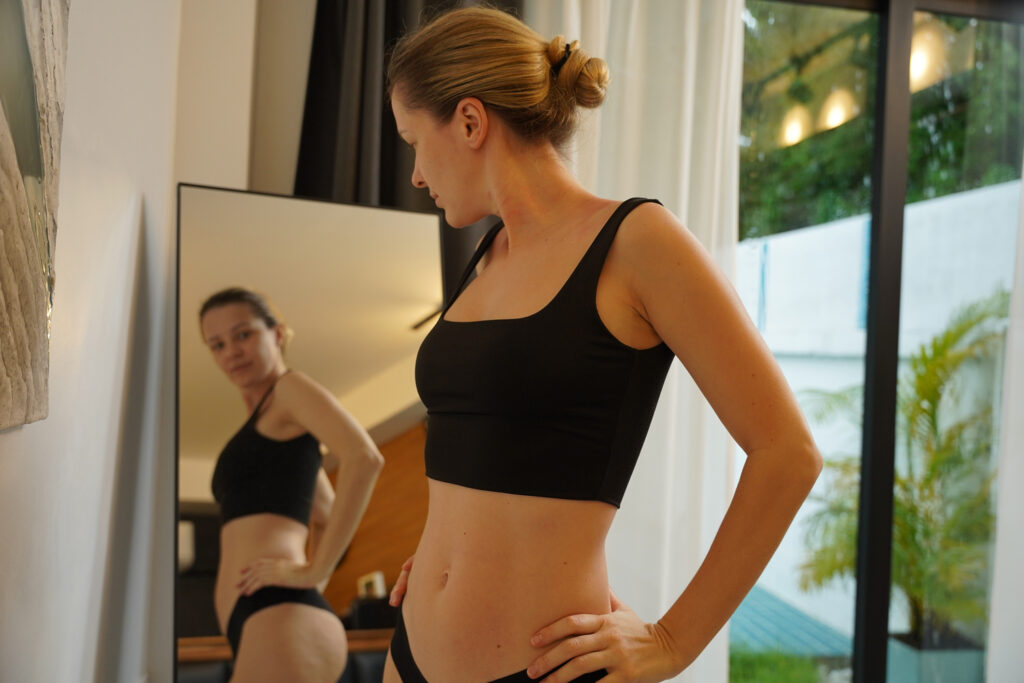
At some point after 30, many people notice a shift they cannot fully explain. You are doing the same things you always did, eating similar foods, following similar routines, but your body responds differently. Energy feels lower, weight becomes harder to manage, digestion is less predictable, and recovery takes longer than it used to.
It is easy to assume that this is simply aging or that something is “wrong.” But what happens to your body after 30 is not random. It is a combination of internal changes that gradually alter how your system functions. Hormones are part of the story, but they are far from the whole picture.

What Actually Changes in Your Body After 30
The changes that happen after 30 are not dramatic overnight transformations. They are subtle shifts that build over time. Your metabolism becomes slightly less efficient, meaning your body uses energy differently than before. Recovery slows down, so your body takes longer to bounce back from stress, poor sleep, or intense activity.
This is why the idea of a body transformation after 30 often feels confusing. It is not that your body suddenly stops working. It is that it becomes less forgiving. Small habits that once had no noticeable effect now begin to matter more. The margin for imbalance becomes smaller, and your body starts reflecting that.
Yes, Hormones Change — But That’s Not the Full Story
Hormonal changes do happen, and they do play a role. Estrogen and progesterone levels begin to fluctuate more, and growth hormone production gradually decreases. These shifts can affect energy, mood, and how your body stores and uses fat.
However, focusing only on hormones can be misleading. Hormonal changes after 30 in women are real, but they do not act in isolation. They interact with other systems in your body, including your metabolism, your nervous system, and your gut. This is why two people with similar hormonal profiles can feel completely different depending on their overall lifestyle and internal balance.
Your Gut Starts Playing a Bigger Role Than You Think
One of the biggest shifts that often goes unnoticed is how important your gut becomes. In your twenties, your system can handle inconsistency more easily. Your microbiome is typically more resilient, and your body can recover quickly from disruptions.
After 30, this changes. Your gut becomes more sensitive to what you eat, how you eat, and how consistently you support it. The balance of your microbiome can shift, which affects digestion, energy levels, and even how your body processes nutrients. This is why foods that once felt fine may suddenly feel heavier or cause discomfort.
Your gut is no longer something that “just works in the background.” It becomes a central part of how you feel every day.

Why You Feel More Tired (Even If Nothing Changed)
One of the most common experiences after 30 is feeling more tired without a clear reason. You may still be getting similar amounts of sleep, but your energy does not feel the same. This is not just about sleep itself, but about how your body recovers and restores energy.
Stress plays a larger role here than most people realize. As responsibilities increase, your body spends more time in a low-level stress state. This affects your nervous system, which in turn affects your digestion, energy production, and overall resilience. At the same time, your body becomes less efficient at recovering from that stress. This combination creates a constant feeling of lower energy that is difficult to fix with simple solutions.
Why the Same Diet Doesn’t Work Anymore
Another frustrating change is that the same diet no longer produces the same results. You might eat the same foods you always have, but your body reacts differently. Weight may fluctuate more easily, digestion may feel heavier, and energy levels may not feel as stable.
This is partly due to metabolic changes, but also to shifts in your gut microbiome. Your body’s ability to process food is influenced by the balance of bacteria in your gut. As that balance changes, so does your response to certain foods.
This is why many women notice that their body feels different even when their habits have not changed dramatically. It is not that you are doing something wrong. It is that your system is operating under different conditions.

The Lifestyle Load You Didn’t Notice
Beyond biology, there is another layer that often goes unrecognized. Life itself becomes heavier. More responsibilities, more decisions, less time for rest, and often less movement throughout the day. These factors accumulate quietly, but they have a real impact on how your body functions.
This “lifestyle load” affects your stress levels, your sleep quality, and your daily rhythms. Over time, it contributes to the changes you feel in your body. It is not one big factor, but many small ones that add up.
What Actually Helps (Without Overcomplicating It)
When your body changes, the instinct is often to look for more complex solutions. In reality, what helps most is returning to simple, consistent habits that support your system as a whole.
- Keeping your meals regular and balanced
- Prioritizing sleep consistency rather than just duration
- Reducing unnecessary stress where possible
- Supporting your gut so your body can function more efficiently
These actions may seem basic, but they directly influence how your body operates. The key difference after 30 is that consistency matters more than intensity. Your body responds better to stable patterns than to extreme efforts.
Supporting Your Body Instead of Fighting It
One of the most important shifts is moving from trying to control your body to actually supporting it. Instead of forcing results through restriction or intensity, the focus becomes creating conditions where your body can function properly.
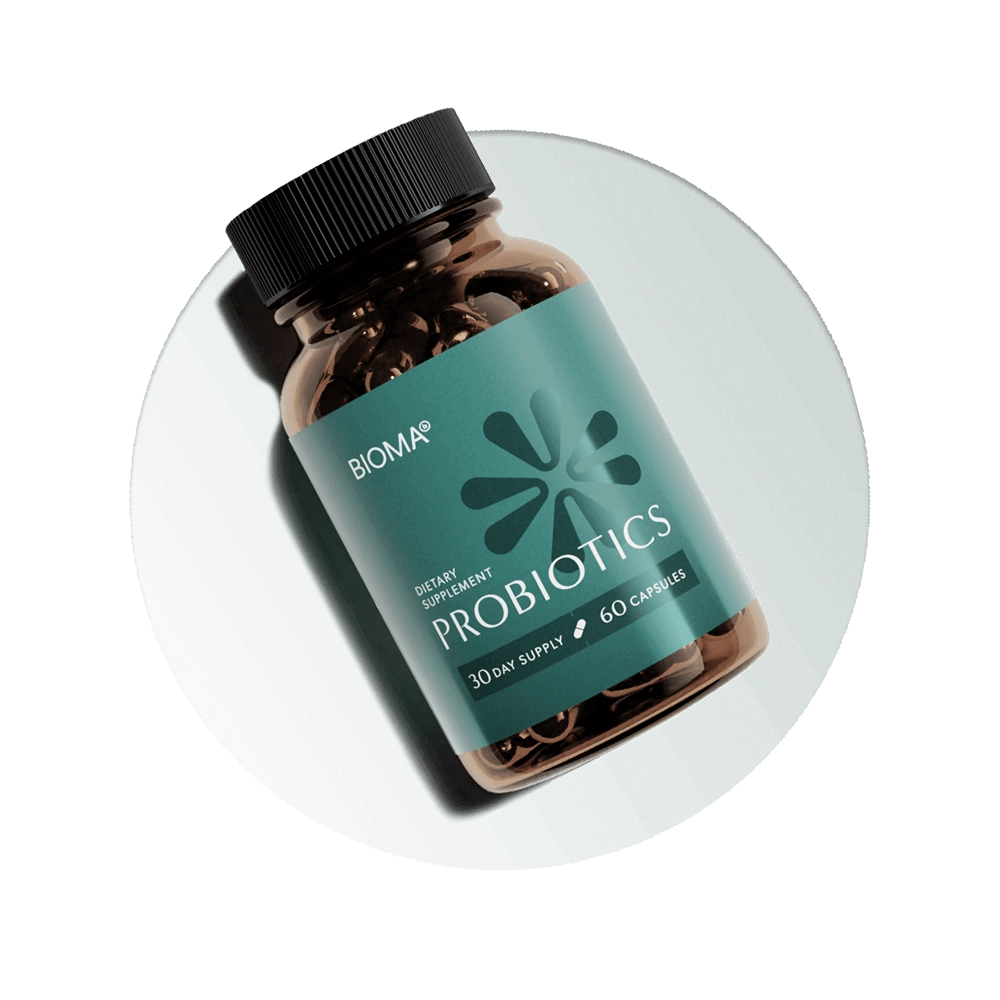
This is where targeted support can make a difference. Bioma Probiotics are designed to help support gut balance, which plays a central role in digestion, energy, and overall well-being. By helping your microbiome stay more stable, they support the systems that influence how your body feels on a daily basis. This approach is not about quick fixes, but about making your body more resilient over time.

The Emotional Shift No One Prepares You For
One of the hardest parts of this transition is not physical, but emotional. It is the feeling that something that used to work no longer does. The frustration of trying the same things and getting different results. The quiet doubt that something is off, even if you cannot fully explain it.
This experience is more common than it seems, but it is rarely talked about openly. The important thing to understand is that this is not a failure. It is a shift. Your body is not working against you, it is asking for a different approach.
What Changes After 30 (At a Glance)
Your Body Before vs After 30
| In Your 20s | After 30 |
|---|---|
| Metabolism feels fast and forgiving | Metabolism slows slightly and becomes more sensitive |
| Energy levels bounce back quickly | Energy drops feel more noticeable and last longer |
| Digestion is more resilient | Gut becomes more sensitive to food and routine |
| Irregular habits have minimal impact | Inconsistency affects how your body feels daily |
| Recovery from stress is faster | Stress lingers longer and impacts multiple systems |
| Same diet “just works” | Same diet may lead to different results |
| Gut microbiome is more flexible | Microbiome becomes more sensitive and needs support |
Your Body Didn’t Fail You – It Evolved
The key realization is that your body after 30 is not broken. It has evolved. The systems that once operated easily now require more attention and support. This is not a negative change, but it does require adjustment.
When you stop expecting your body to behave the way it did before and start working with how it functions now, things begin to feel more manageable. Over time, this shift leads to better energy, more stable digestion, and a stronger sense of balance.
Related articles



Less gut discomfort. More freedom to enjoy life.
Take our 1-min quiz to find out your gut type and get personalized advice and probiotics to relieve constipation, bloating, and other digestive issues.


