Why Women Over 30 Struggle With Gut Issues More Than Men


At some point after 30, many women start noticing changes they cannot fully explain. Foods that once felt completely fine suddenly cause bloating. Digestion feels slower, heavier, or just inconsistent. Energy dips become more frequent, and there is often a quiet frustration that something in the body has shifted.
These gut issues are not random, and they are not “just part of getting older” in a vague sense. They are the result of real internal changes that affect how your body functions. The reason this tends to impact women more than men is not just biological, but also connected to lifestyle, stress, and hormonal patterns that evolve over time. Understanding what is happening is the first step toward actually feeling better again.

Why Gut Issues Often Start or Get Worse After 30
The idea that everything suddenly changes at 30 is not entirely accurate, but it is around this time that the effects of long-term habits and internal shifts begin to show more clearly. Your body becomes less forgiving. Things that used to balance out on their own now require more support.
Several systems start to shift at once. Hormonal patterns become less stable, stress tends to increase due to life responsibilities, and daily routines often become more demanding and less consistent. None of these changes alone are dramatic, but together they create an environment where your gut has to work harder to maintain balance.
This is why many women feel like their body has “changed overnight.” In reality, the change has been building for years. It just becomes noticeable when your system reaches a point where it can no longer compensate as easily.
The Hormonal–Gut Connection Most People Overlook
Hormones play a much bigger role in digestion than most people realize. Estrogen and progesterone influence how quickly food moves through your digestive system, how your body handles inflammation, and even how your gut bacteria behave.
As hormonal patterns shift over time, digestion can become more sensitive. Some women experience slower digestion, which can lead to bloating or a feeling of heaviness after meals. Others may notice more irregular patterns, where digestion feels inconsistent from one day to the next.
What makes this more complex is that these changes are not always obvious. They do not show up as a clear medical issue, but rather as subtle discomfort that gradually becomes more noticeable. This is one of the reasons why women over 30 often report more gut-related issues than men, whose hormonal fluctuations are generally less pronounced in daily life.

Stress Hits Women’s Gut Differently
Stress is one of the most underestimated factors when it comes to gut health. While it affects everyone, women often experience a type of ongoing mental load that directly impacts the digestive system. It is not always about acute stress, but about constant low-level pressure that never fully turns off.
Your gut is closely connected to your nervous system. When your body is in a stressed state, digestion is not a priority. Blood flow shifts, digestion slows, and your gut becomes more sensitive. Over time, this can lead to patterns of discomfort that feel difficult to explain.
This is why gut issues often appear alongside periods of increased stress, even if diet has not changed significantly. The connection between stress and gut health is not abstract. It is physical, and it shows up in how your body feels every day.
Why Foods Suddenly Start “Not Working” for You
One of the most frustrating experiences is realizing that foods you have eaten for years suddenly cause discomfort. This can feel confusing, especially when nothing obvious has changed in your diet.
The reason this happens is often linked to changes in your gut microbiome. As your microbiome shifts, your body’s ability to process certain foods can change as well. This does not mean the food itself is “bad,” but that your system is responding differently than it used to.
Over time, reduced diversity in gut bacteria can make digestion less efficient. This can lead to increased sensitivity, bloating, or discomfort after meals that previously felt normal. It is not about becoming intolerant overnight, but about gradual changes in how your gut functions.
The Hidden Role of the Microbiome
Your microbiome is at the center of everything related to gut health. It influences digestion, immune response, inflammation, and even how your body extracts energy from food. As you age, the diversity of your microbiome can decrease, especially if it is not actively supported.
This reduction in diversity makes your gut more sensitive to changes. It becomes harder to maintain balance, and small disruptions can have a bigger impact than before. This is why gut issues often feel more noticeable after 30, even if your habits are relatively similar.
The important thing to understand is that your microbiome is not fixed. It responds to how you live, what you eat, and how you manage stress. This means that while changes may occur over time, they are not permanent or irreversible.
What Actually Helps (Without Overcomplicating It)
When gut issues start to appear, it is common to look for complex solutions. In reality, the most effective approach is usually much simpler and more consistent.
- Eating regular, balanced meals instead of skipping or rushing
- Keeping routines stable rather than constantly changing them
- Managing stress in small, realistic ways throughout the day
- Supporting digestion with habits that your body can rely on
These actions may seem basic, but they directly support how your gut functions. The key difference is consistency. Your body responds far better to small, repeated signals than to extreme or short-term changes.
Supporting Your Gut as Your Body Changes
As your body evolves, it often needs a different level of support than it did before. What worked in your twenties may no longer be enough to maintain balance. This is not a failure, but a sign that your system requires a slightly different approach.
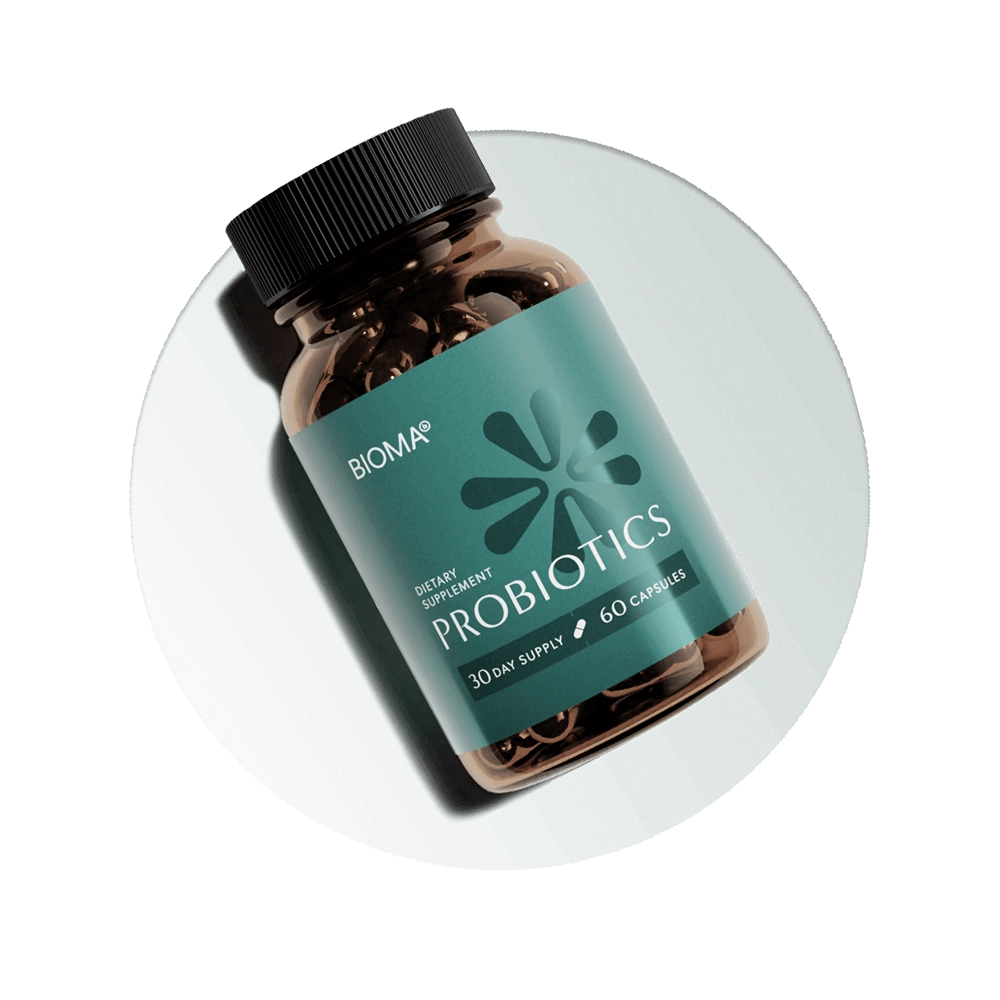
This is where targeted support can make a difference. Bioma Probiotics are designed to support microbiome balance and help your digestive system function more consistently over time. By focusing on restoring and maintaining gut balance, they can help reduce some of the discomfort that comes with these changes. When your gut is supported properly, your body is better able to adapt to the shifts that naturally happen with age.

The Emotional Side No One Talks About
One of the most overlooked aspects of gut issues is how they make you feel emotionally. It is not just physical discomfort. It is the confusion of not recognizing your own body, the frustration of trying to do the “right things” without seeing results, and the quiet question of why things feel different.
This experience is more common than most people realize. Many women go through this phase without clear answers, assuming it is something they just have to accept. But these changes are not random. They are signals. Your body is not working against you, it is asking for a different kind of support.
The Takeaway: Your Body Changed, Your Approach Should Too
The key shift is understanding that your body after 30 is not the same as it was before. It requires more consistency, more awareness, and sometimes more support. The habits that once worked effortlessly may now need to be adjusted.
This does not mean things are getting worse. It means your body is changing, and your approach needs to change with it. When you start working with your body instead of expecting it to behave the same way it always has, things begin to feel easier again. Over time, this is what leads to more stable digestion, better energy, and a stronger sense of balance.
Related articles


Less gut discomfort. More freedom to enjoy life.
Take our 1-min quiz to find out your gut type and get personalized advice and probiotics to relieve constipation, bloating, and other digestive issues.


