Why Some People Regain Weight After GLP-1 (And How Gut Health Fits In)


GLP-1 medications have changed how people approach weight loss. For many, they finally make it possible to lose weight in a way that feels controlled and consistent. Appetite decreases, cravings become manageable, and results often come faster than expected. But there is a part of the story that is discussed far less often. What happens after you stop?
A growing number of people are noticing the same pattern. After stopping GLP-1, the weight begins to return. This leads to questions like can you stop GLP-1 after losing weight, and more importantly, can you keep weight off after GLP-1 long term. The answer is not just about willpower or habits. It is deeply connected to how your body adapts during and after the treatment, especially when it comes to your gut.

Why Weight Loss with GLP-1 Feels Different
GLP-1 medications work by mimicking a hormone that regulates appetite and slows digestion. This creates a powerful effect where you feel full faster and stay full longer. As a result, your calorie intake naturally decreases without the same level of effort required in traditional dieting.
This is why many people experience strong results in a relatively short period of time. The expected weight loss on GLP-1 can feel almost effortless compared to previous attempts. However, this also means that part of the regulation is coming from the medication itself, not entirely from your body’s internal systems. When that external support is removed, your body has to take over again, and this is where things often become more complicated.
Why Weight Gain After GLP-1 Happens
One of the most common concerns is weight gain after GLP-1, and in many cases, it is not due to a lack of discipline. During the time you are on the medication, your appetite signals are suppressed and your eating patterns change significantly. Your body adapts to this new state, including changes in metabolism, hunger hormones, and digestion.
When you stop taking GLP-1, those signals return. Hunger may increase, cravings can come back stronger, and your body may try to restore what it perceives as lost energy reserves. This is why people often search for answers to questions like do you gain weight after stopping GLP-1 or how to not gain weight back after GLP-1. The issue is not simply behavior, but how your body recalibrates after the medication is removed.

The Missing Piece: What Happens to Your Gut During GLP-1
While most discussions focus on appetite and metabolism, your gut is undergoing changes at the same time. When you eat less and your digestion slows down, your gut microbiome adapts to those conditions. The types of bacteria in your gut are influenced by what and how often you eat, so any major shift in diet or digestion can affect that balance.
Over time, reduced food intake and slower digestion can lead to lower microbiome diversity. This matters because your gut bacteria play a role in regulating hunger, energy extraction from food, and even fat storage. When the microbiome becomes less balanced, it can influence how your body responds once the medication is no longer present. This is one of the reasons why keeping weight off after GLP-1 can feel more difficult than expected.
What Actually Changes After You Stop GLP-1
To better understand the transition, it helps to look at what shifts inside your body when you stop the medication.
What Changes in Your Body Before vs After GLP-1
| During GLP-1 Use | After Stopping GLP-1 |
|---|---|
| Appetite is naturally suppressed | Hunger signals return and may feel stronger |
| Digestion is slower | Digestion speeds up again |
| Food intake is reduced | Food intake often increases |
| Cravings are more controlled | Cravings may return or intensify |
| Gut adapts to lower food intake | Gut microbiome must readjust |
This shift does not happen overnight, but it creates a period where your body is trying to find a new balance. Without the right support, this transition can lead to gradual weight regain, even if your habits are relatively controlled.
Why Maintaining Weight Loss After GLP-1 Is Challenging
Maintaining weight loss after GLP-1 is not just about continuing the same behaviors. It is about how your body responds once the medication is no longer guiding those behaviors. If your internal systems have not fully adapted, your body may push you toward old patterns in subtle ways.
For example, increased hunger can make portion control more difficult. Changes in energy levels can reduce motivation to stay active. At the same time, if your gut microbiome is not balanced, it can influence cravings and how efficiently your body stores energy. This combination creates a situation where maintaining progress requires more than just intention. It requires internal stability.

Where Gut Health Fits Into Long-Term Weight Stability
Your gut plays a central role in long-term weight regulation. It influences how your body processes food, how full you feel, and how your metabolism responds to changes. When your gut is balanced, these processes are more stable. When it is not, your body may become more reactive to changes in diet and routine.
This is why gut health becomes especially important after stopping GLP-1. Supporting your microbiome can help your body transition more smoothly and reduce the intensity of returning hunger signals. It can also support more consistent energy levels, which makes it easier to maintain habits over time. Instead of relying solely on external control, you begin to rebuild internal regulation.
Supporting the Transition Without Losing Progress
The period after GLP-1 is not about replacing the medication with another quick fix. It is about supporting your body as it adjusts to operating on its own again. This includes stabilizing digestion, maintaining microbiome balance, and helping your body regulate hunger more effectively.
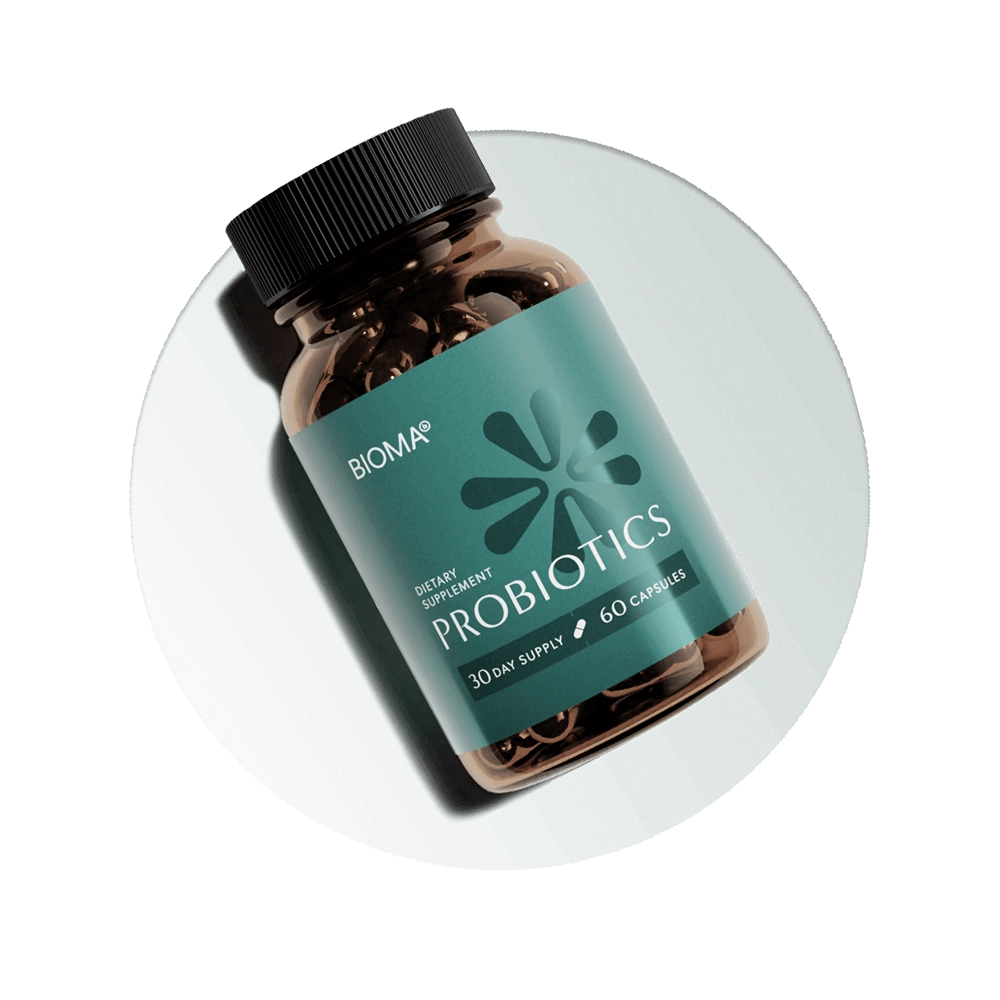
This is where solutions like Bioma GLP-1 Booster can support a more structured transition. By focusing on gut balance and digestive support, it is designed to work alongside your body as it adapts after stopping the medication. The goal is not to interfere with the process, but to make it more stable and sustainable over time. This kind of support can help reduce the likelihood of rapid weight regain and make long-term results feel more achievable.

The Takeaway: Weight Loss Is One Phase, Stability Is Another
Losing weight with GLP-1 is one phase of the journey. Maintaining it is another. These two phases require different types of support, and understanding that difference is key to long-term success. The challenge is not just losing weight, but helping your body stay balanced after the medication is no longer part of the equation.
If weight regain happens, it is not a failure. It is a signal that your system needs support during the transition. By focusing on gut health and internal balance, you can create a more stable foundation that makes it easier to keep weight off after GLP-1. Over time, this approach shifts the focus from short-term results to long-term sustainability, which is where real change happens.
Related articles


Less gut discomfort. More freedom to enjoy life.
Take our 1-min quiz to find out your gut type and get personalized advice and probiotics to relieve constipation, bloating, and other digestive issues.


