Why Everyone Is Suddenly Talking About the “Second Brain” – And What It Means for Your Mood


Over the past year, the phrase “second brain” has quietly moved from niche discussions into mainstream conversations. You can find it everywhere, from productivity circles discussing tools like Notion to wellness influencers talking about gut health and mental clarity. At first, these conversations seem unrelated, but they are increasingly overlapping in a way that is hard to ignore. People are starting to question whether thinking better is only about mindset, or whether something deeper is influencing how they feel on a daily basis. This shift is not accidental, and it points to a growing awareness that your mental state may be shaped by more than just your thoughts.
What makes this trend especially interesting is that it connects two very different ideas under the same label. On one side, the “second brain method” focuses on organizing knowledge outside your head to improve focus and productivity. On the other side, science is revealing that your gut may function as a literal second brain, influencing your mood, emotions, and even decision-making. As these ideas merge in public conversation, they create a powerful question that more people are beginning to ask. What if your mood is not just in your head, but also in your gut?

What Is the “Second Brain” – And Why It’s Not What You Think
To understand why this topic is gaining so much attention, it is important to clarify what people actually mean when they talk about the “second brain.” In productivity culture, the term refers to systems that store and organize information externally, often using digital tools. The idea is to reduce cognitive overload by moving thoughts out of your mind and into a structured system that you can revisit at any time. This concept became widely known through ideas popularized in books and has been adopted by professionals, creators, and students alike.
However, the biological meaning of the second brain is far more literal and, in many ways, more impactful. The “gut second brain” refers to the enteric nervous system, a complex network of neurons embedded in the walls of your digestive tract. Unlike the productivity version, this system is not something you build or design. It is something you are born with, and it is constantly active in the background of your daily life. What makes it remarkable is that it can function independently while still maintaining constant communication with your brain. This dual meaning of the term is exactly why the topic feels both familiar and surprising at the same time.
The Gut Is the Second Brain: What Science Actually Says
The idea that the gut is the second brain is not just a metaphor used for storytelling. It is grounded in well-established scientific research that continues to evolve. The enteric nervous system contains more than 100 million neurons, allowing it to regulate digestive processes and communicate with the central nervous system. This communication happens through the gut-brain axis, a complex network that includes neural, hormonal, and immune pathways. Rather than a one-way signal, this connection operates continuously in both directions, meaning your gut influences your brain just as much as your brain influences your gut.
One of the most compelling aspects of this relationship is the role of neurotransmitters. A significant portion of serotonin, often referred to as the “feel-good” chemical, is produced in the gut rather than the brain. This challenges the traditional assumption that mood is controlled solely by brain chemistry. Instead, it suggests that your digestive system plays a central role in emotional regulation. As research continues to uncover the depth of this connection, it becomes increasingly clear that mental well-being cannot be fully understood without considering the gut.

How Your Gut Directly Affects Your Mood
The connection between gut health and mood is not just theoretical. It shows up in everyday experiences that many people overlook. For example, feeling irritable after eating certain foods, experiencing low energy without a clear reason, or struggling with focus during the day can all be linked to the state of your gut. These signals are often subtle at first, which is why they are easy to dismiss or attribute to external factors. Over time, however, patterns begin to emerge that point to a deeper internal cause.
Your gut microbiome, which consists of trillions of microorganisms, plays a critical role in this process. When the balance of these microorganisms is disrupted, it can affect how your body processes nutrients, regulates inflammation, and communicates with your brain. This imbalance can influence emotional stability, stress levels, and cognitive performance in ways that are not immediately obvious. As a result, what feels like a mental issue may actually have a physiological root. Understanding this connection can shift how you approach both your mood and your overall well-being.
Why This Topic Is Blowing Up Right Now
The sudden rise in conversations about the second brain is not happening in isolation. It is the result of several trends converging at the same time. Scientific research has expanded rapidly, providing more concrete evidence of the gut-brain connection than ever before. At the same time, people are becoming more proactive about their health, seeking explanations that go beyond surface-level symptoms. This has created a demand for deeper insights into how the body and mind interact.
In parallel, the popularity of the “second brain method” has introduced the idea that thinking can be optimized through systems and structure. As people explore ways to improve productivity, they naturally begin to question what else might be influencing their mental performance. This curiosity often leads them to discover the role of gut health, creating a bridge between two previously separate conversations. The result is a broader understanding that productivity, mood, and physical health are interconnected rather than independent.

Signs Your “Second Brain” Might Be Out of Balance
While the gut does not communicate in words, it does send consistent signals when something is off. These signals often appear gradually, making them easy to ignore until they become more persistent. Recognizing these patterns is an important step in understanding how your gut may be affecting your mood and daily functioning.
- Frequent bloating or digestive discomfort that does not seem tied to a specific food
- Unexplained mood swings or irritability throughout the day
- Ongoing fatigue even after adequate rest
- Strong cravings for sugar or highly processed foods
- Difficulty concentrating or maintaining mental clarity
When several of these symptoms appear together, they can indicate that your gut microbiome is not in balance. Rather than viewing them as isolated issues, it is more useful to see them as part of a larger system that may need support.
Where Probiotics Fit In (And What to Look For)
As awareness of gut health grows, probiotics have become one of the most widely discussed solutions. These supplements are designed to introduce beneficial bacteria into the gut, helping to restore balance within the microbiome. However, not all probiotics are equally effective, and their impact depends heavily on the strains used and how well they survive the digestive process. Choosing the right product requires a basic understanding of what your gut actually needs.
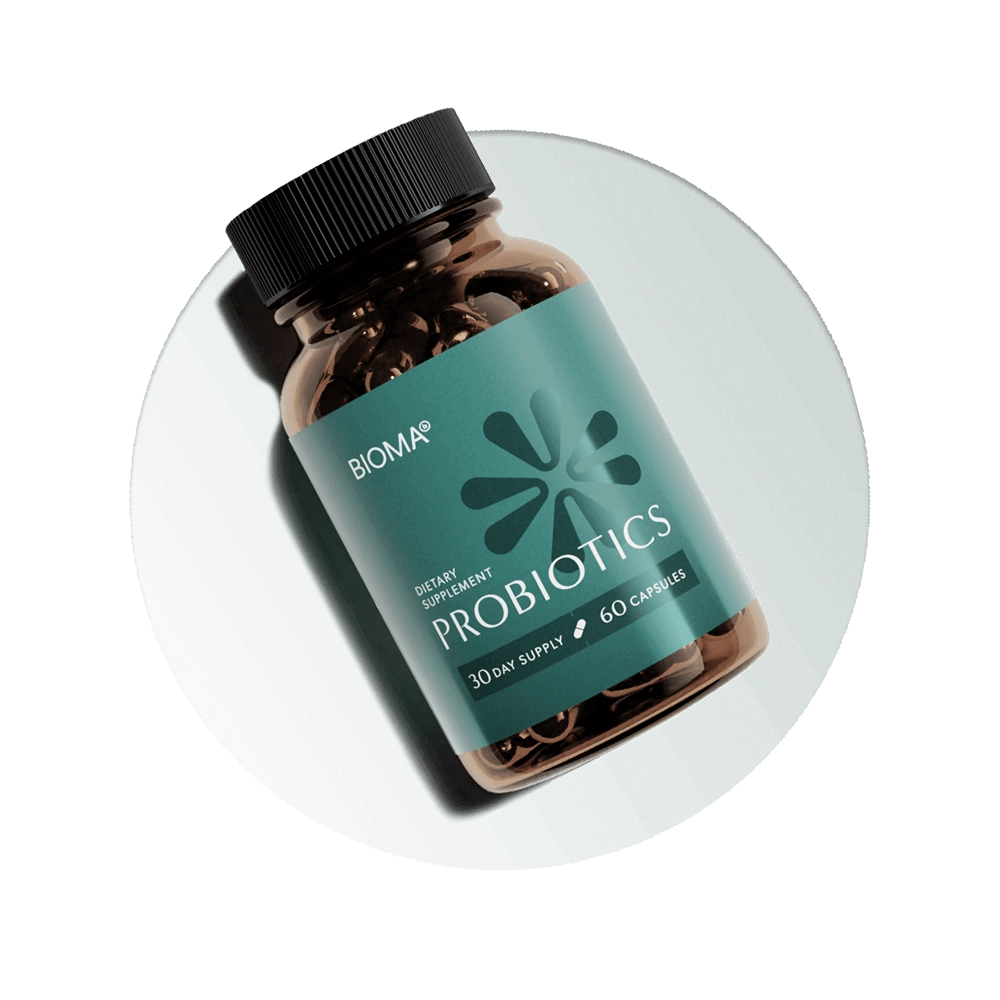
A more targeted approach to gut health focuses on supporting the specific mechanisms that influence both digestion and mood. This is where products like Bioma Probiotics take a more refined position. Instead of offering a generic blend, they are formulated with carefully selected strains that aim to support the gut-brain connection alongside digestive health. This kind of approach aligns with the growing understanding that improving gut health is not just about digestion, but about creating a stable internal environment that can support mental clarity and emotional balance over time.

Your Mind Might Start in Your Gut
For a long time, improving your mood was framed as a purely mental task. You were encouraged to change your thoughts, adjust your mindset, and develop better habits of thinking. While these approaches still matter, they do not tell the full story. The growing recognition of the gut as a second brain adds a new layer to how we understand mental well-being. It suggests that your internal biology plays a more significant role than previously assumed.
This perspective does not replace traditional approaches to mental health, but it complements them in a meaningful way. By supporting your gut, you are also supporting the systems that influence how you feel, think, and respond to the world around you. Over time, this can lead to a more stable and consistent sense of well-being that does not rely solely on external factors. Instead of asking only how to think better, it may be more effective to start by asking how to support the system that shapes those thoughts in the first place.
Related articles



Less gut discomfort. More freedom to enjoy life.
Take our 1-min quiz to find out your gut type and get personalized advice and probiotics to relieve constipation, bloating, and other digestive issues.


