Why Does My Skin Look Dull and Uneven? (And How to Fix It)

If you have ever looked in the mirror and thought, “Why does my skin look dull and tired?” you are not alone. Dullness and uneven texture are among the most common skin concerns. The good news is that dull skin is rarely permanent. It is usually a signal that something in your routine, lifestyle, or internal balance needs attention. Understanding what dull skin actually means is the first step toward restoring brightness and smoothness.
What Does Dull Skin Actually Mean?
Dull skin typically refers to a lack of radiance or glow. Instead of reflecting light evenly, the surface appears flat, tired, or slightly grey. When people ask what dull skin looks like, they often describe it as lifeless, dry, or lacking clarity.
Dull skin does not necessarily mean damaged skin. It often means the skin is dehydrated, covered with excess dead cells, or experiencing reduced circulation. In some cases, it may also reflect internal factors such as stress or nutrient imbalance.
If you are wondering what dull skin on the face specifically, it usually shows up as uneven light reflection across the cheeks and forehead, a rough texture to the touch, or makeup that does not sit smoothly.
What Does Uneven Skin Tone and Texture Look Like?
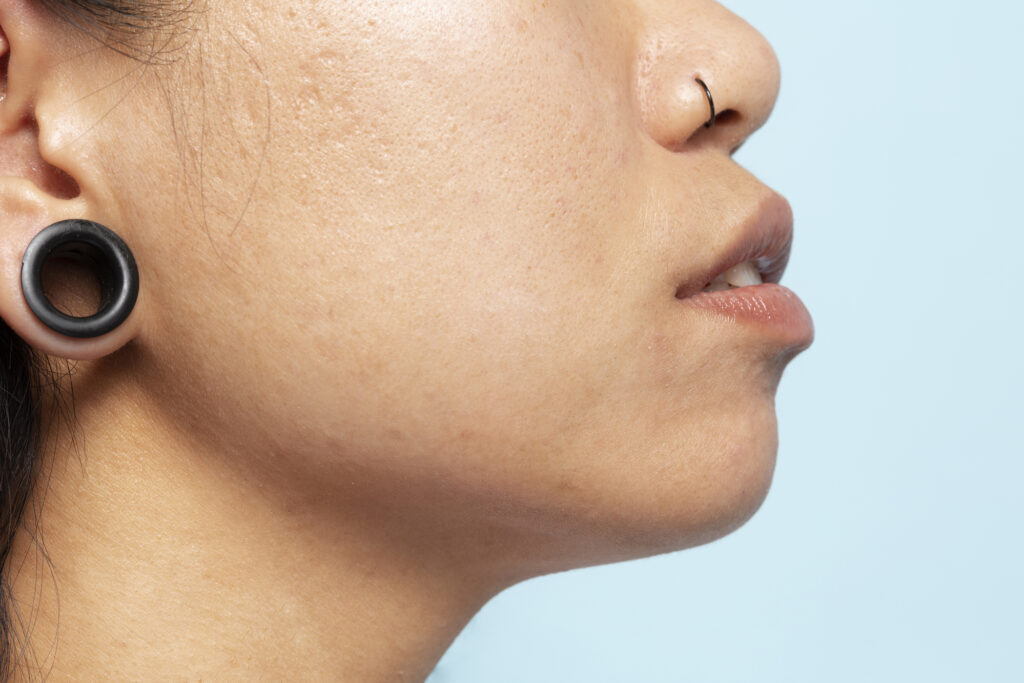
Uneven skin is closely related to dullness. When people search what uneven skin tone looks like, they are often referring to differences in pigmentation, redness, or dark spots that make the complexion look patchy.
Uneven texture, on the other hand, relates to the surface of the skin. If your skin looks rough and bumpy or you find yourself asking why does my skin look uneven, the issue may involve clogged pores, mild congestion, dehydration, or a compromised skin barrier.
Uneven tone can result from sun exposure, post inflammatory pigmentation, or hormonal shifts. Uneven texture may be linked to buildup of dead skin cells, over exfoliation, or lack of proper hydration. In many cases, dullness and unevenness occur together because they share similar root causes.
What Causes Dull Skin?
One of the most common causes is dehydration. When the skin lacks water, it loses plumpness and its ability to reflect light properly. This makes it appear tired and flat.
Another frequent factor is buildup of dead skin cells. The skin naturally renews itself, but if exfoliation is inconsistent or the barrier is weakened, dead cells accumulate on the surface, reducing glow.
Poor circulation can also contribute. Blood flow delivers oxygen and nutrients to the skin. When circulation is reduced, the complexion may look pale or grey. This is one reason skin often looks more radiant after exercise.
Stress is another powerful contributor. Elevated cortisol levels can impair barrier function, increase inflammation, and disrupt sleep, all of which affect skin clarity. Can stress cause dull skin? Yes, especially when it becomes chronic.
Nutrient deficiencies may also play a role. For example, iron deficiency can contribute to a pale, tired appearance in some individuals. When the body lacks key micronutrients, the skin often reflects that imbalance.
Finally, gut imbalance and low grade inflammation may influence skin tone and texture. The gut and skin communicate through immune and inflammatory pathways. Disruption in one system can manifest in the other.
Why Is My Skin So Dull and Uneven All of a Sudden?
When skin changes quickly, it can feel alarming. One week your complexion looks balanced, and the next it appears flat, rough, or uneven. In most cases, sudden dullness is not permanent damage. It is a short term reaction to internal or external stressors.
Travel is a common trigger. Changes in climate, cabin air during flights, disrupted sleep schedules, and altered eating habits can all impact hydration levels and circulation. Skin often looks more tired after travel because it has lost moisture and experienced temporary stress.
Lack of sleep is another major factor. Overnight is when the skin repairs itself, supports collagen production, and restores barrier function. Even a few nights of poor sleep can reduce radiance and make uneven texture more noticeable. Many people notice that their skin looks dull and tired during periods of sleep deprivation.
Weather changes also play a role. Cold air and indoor heating reduce environmental humidity, which increases water loss from the skin. As hydration drops, the surface becomes less smooth and reflects light unevenly. In warmer seasons, excess oil production and sun exposure may contribute to uneven tone instead.
How to Fix Dull Skin (Step by Step)
Fixing dull skin does not require dozens of products. It requires strategic adjustments.
First, exfoliate carefully. Gentle chemical exfoliants can help remove dead cell buildup without damaging the barrier. Over exfoliation, however, can worsen dullness and increase sensitivity.
Second, hydrate consistently. Use humectants such as glycerin or hyaluronic acid and seal them with a barrier supportive moisturizer. A dull skin moisturizer should not only hydrate but also reinforce the skin barrier.
Third, support circulation. Regular physical activity improves blood flow and can enhance natural glow. Even daily walking can make a visible difference.
Fourth, protect your skin from UV exposure. Sun damage contributes to uneven tone and long term dullness.
Finally, prioritize sleep. Skin repair and regeneration occur primarily at night. Chronic sleep deprivation can make skin look dull and uneven even if your topical routine is solid.
How to Brighten Dull Skin Naturally
If you are looking for how to brighten dull skin naturally, it is important to address both external skincare habits and internal health factors. True radiance does not come from one product alone. It reflects hydration levels, barrier strength, circulation, and overall metabolic balance.
Topically, ingredients such as vitamin C are widely recognized for supporting brighter looking skin and improving the appearance of uneven tone. According to the American Academy of Dermatology, antioxidants like vitamin C can help protect the skin from environmental damage and support a more even complexion. Consistent sunscreen use is equally essential, as UV exposure contributes significantly to pigmentation and collagen breakdown. Without daily protection, brightening efforts are often undermined.
Internally, hydration plays a foundational role. When the body is adequately hydrated, the skin appears plumper and reflects light more evenly. Diet also matters. Antioxidant rich foods such as berries, leafy greens, and colorful vegetables help neutralize oxidative stress, which can otherwise contribute to a tired appearance. Balanced meals that stabilize blood sugar may further support collagen integrity and reduce inflammatory stress that impacts skin clarity.

Reducing added sugar and highly processed foods can improve skin brightness over time. Excess sugar intake is associated with glycation, a process that may weaken collagen and affect skin texture. When metabolic stability improves, many people notice that their complexion appears more even and luminous without increasing the number of skincare products they use.
Natural brightening is rarely about intensifying treatment. It is about restoring balance so the skin can function optimally and reflect light the way healthy skin is designed to.
The Gut-Skin Connection and Internal Glow
Skin is not isolated from the rest of the body. The gut-skin axis describes the relationship between digestive health, inflammation, and skin appearance. When gut balance is disrupted, inflammatory signals may increase and contribute to dullness or uneven texture.
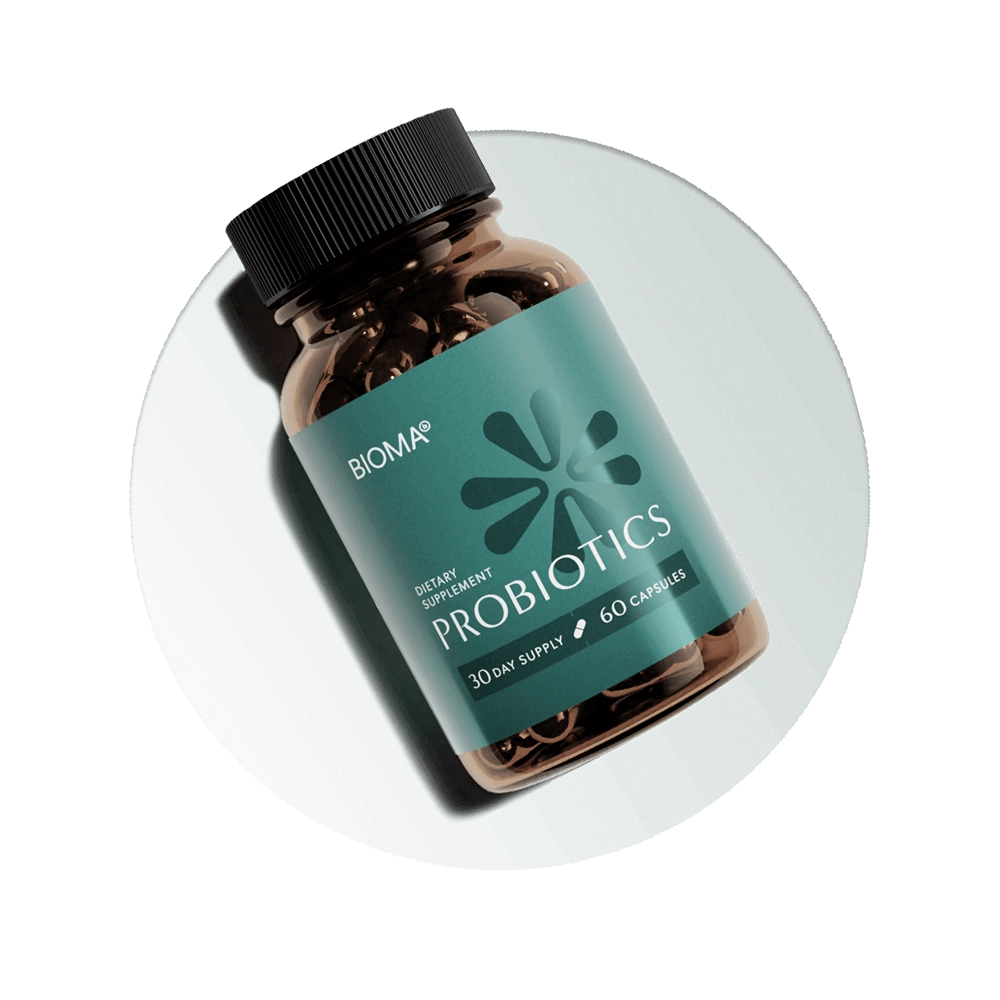
Supporting microbial balance may therefore contribute to improved skin vitality. Bioma products are formulated to support gut health and digestive stability, which can indirectly influence skin clarity. By promoting microbial diversity and reducing digestive imbalance, they may help support a calmer internal environment that reflects externally.
Bioma Beauty Gummies are designed to provide nutrients that support skin health from within. When internal balance improves and nutrient intake is consistent, many people notice that their complexion appears more even and vibrant. Supplements are not a replacement for skincare, but they can complement a strategy focused on hydration, barrier repair, and inflammation management.

Internal glow often begins with internal stability.
You Don’t Have Bad Skin, You Have Signals
If your skin looks dull and uneven, it is usually not permanent damage. It is feedback.
Hydration, gentle exfoliation, sleep, stress management, nutrient balance, and gut health all play a role in restoring brightness. Instead of chasing quick fixes, focus on consistent habits that support both skin and overall health.
Radiant skin is rarely about one miracle product. It is about alignment between what you apply on the outside and what you support from within.
Frequently Asked Questions About Dull Skin
Below are the most common questions people ask about dull and uneven skin.
Can dull skin be reversed?
In most cases, yes. Dull skin is usually a temporary imbalance caused by dehydration, dead skin buildup, stress, lack of sleep, or poor nutrition. When these factors are addressed, skin radiance often improves. Consistency in hydration, barrier support, sleep, and balanced nutrition is essential for visible long term results.
Can iron deficiency cause dull skin?
Yes. Iron deficiency may reduce oxygen delivery to tissues, which can make the skin appear pale, tired, or less vibrant. If dullness is accompanied by fatigue or weakness, consulting a healthcare professional to evaluate iron levels may be beneficial.
Can stress cause dull skin?
Chronic stress elevates cortisol levels, which can impair the skin barrier, increase inflammation, and disrupt sleep. Over time, this may contribute to uneven tone and a tired appearance. Managing stress often leads to noticeable improvements in skin clarity.
What can I use for dull skin?
Focus on gentle exfoliation, consistent hydration, and barrier repair. Ingredients like low concentration chemical exfoliants help remove buildup, while humectants and supportive moisturizers improve texture and glow. Internal balance through nutrition and gut support can further enhance results.
Related articles



Less gut discomfort. More freedom to enjoy life.
Take our 1-min quiz to find out your gut type and get personalized advice and probiotics to relieve constipation, bloating, and other digestive issues.


