What I Ate for 7 Days to Fix My Gut (And What Happened)

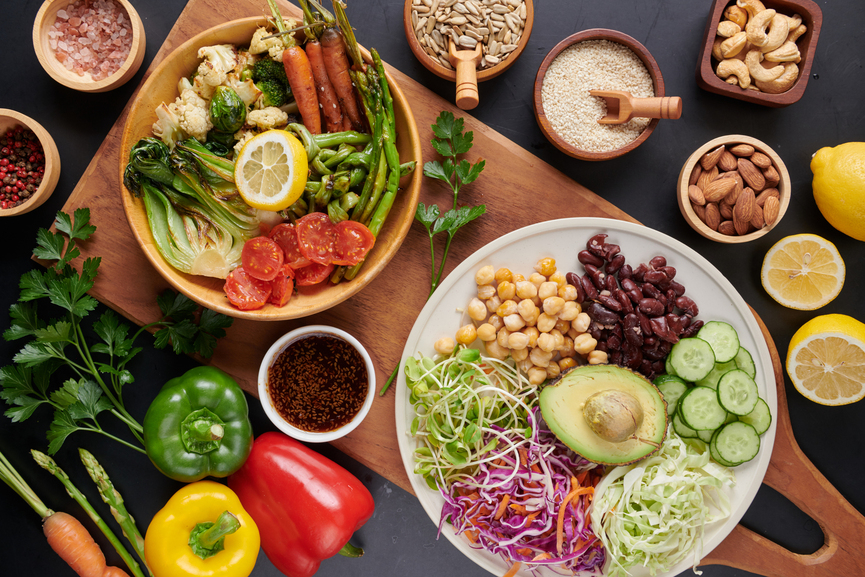
At Bioma, we often talk about gut health in terms of science, data, and microbiome balance, but behind all of that, there are real people dealing with real symptoms every day. One of our team members recently went through a period of constant bloating, low energy, and digestive discomfort that did not seem to improve no matter what she tried. Instead of guessing, she decided to approach it the same way we approach our work by testing, observing, and simplifying what actually goes into her body. What started as a personal experiment quickly turned into something more structured, a 7 day attempt to understand how to fix her gut health through food and routine. We are sharing her story because it reflects what many people experience, and because her results may help you better understand how to fix your gut in a practical and realistic way. Hear her out!
The 7-Day Gut Health Meal Plan I Followed
I didn’t think my gut was the problem at first, which is probably the most common mistake people make when something feels off in their body. I assumed it was stress, poor sleep, or just one of those phases where your energy drops for no clear reason. But over time, the signs became too consistent to ignore, especially the daily bloating, random sugar cravings, low energy in the afternoon, and that constant brain fog that made it hard to focus. I remember sitting one evening searching “how to fix my gut health” and realizing I didn’t even fully understand what I was trying to fix. That moment pushed me to actually test things instead of guessing, and I decided to commit to a simple 7 day reset.
Instead of following a strict or complicated diet, I focused on building a simple structure that I could realistically stick to for the entire week. My goal was not perfection but consistency, because I knew my gut would respond better to steady habits than extreme changes. I centered my meals around whole foods, gradually increased fiber intake, and made sure to include fermented foods every single day to support beneficial bacteria. Hydration also became a priority, because digestion is heavily influenced by how well your body processes and moves food. This approach became my version of a practical 7 day gut health meal plan, one that felt sustainable rather than restrictive.
Day-by-Day: What I Ate to Fix My Gut
Before I break down each day, it is important to understand that I did not aim for perfection, but for consistency and awareness. I paid close attention to how my body reacted after each meal, noting even small changes in digestion, energy, and comfort. Instead of overcomplicating things, I repeated simple meals and adjusted only when something clearly did not feel right. This made it easier to identify what was actually helping my gut and what was not. By the time I reached day three, I already had a clearer sense of how my body responds when I support it instead of overwhelm it.
Day 1–2: Resetting My System
The first two days were all about simplifying my digestion and giving my gut a break from anything that could irritate it. I kept my meals very basic, starting the day with plain yogurt and berries, which felt light but still satisfying. Lunch usually consisted of rice and steamed vegetables, while dinner was something easy to digest like eggs or a simple vegetable soup. I avoided processed foods, excess sugar, and anything greasy, because I wanted to remove as many variables as possible. What surprised me the most was how quickly I noticed a difference in how my stomach felt after eating, as the heaviness I was used to started to fade.

Day 3–4: Feeding the Good Bacteria
By day three, I shifted my focus from reducing irritation to actively supporting my gut microbiome with the right foods. I began adding fiber-rich and prebiotic foods like oats, bananas, garlic, and cooked vegetables, which help nourish beneficial bacteria in the gut. I also introduced fermented foods such as kefir and sauerkraut, which contain live microorganisms that can support gut balance when consumed consistently. This is where the concept of “fix your gut with one microbe” started to make sense to me, not as a literal idea but as a way of understanding how powerful the microbiome can be. By the end of day four, my bloating was not completely gone, but it was clearly reduced, and my digestion felt more predictable.

Day 5–7: Noticing Real Changes
The biggest changes started to appear between days five and seven, which is when I realized something was actually working. My energy levels became more stable throughout the day, and I no longer felt the intense need to reach for sugar in the afternoon. Meals stopped feeling heavy, and instead of feeling sluggish after eating, I felt comfortable and light. I also noticed that my stomach looked flatter, especially in the mornings, which was not something I had experienced in a long time.
The 7 Foods I Ate for Better Gut Health (That Actually Worked)
When I look back at the week, there were a few key foods that made the biggest difference in how I felt and how my digestion responded. These are not exotic or complicated ingredients, but they work because they support the gut in different ways, from feeding good bacteria to improving digestion. If you are looking for 7 foods to eat for better gut health, these are the ones that consistently showed results for me.
- Yogurt and kefir for probiotics
- Oats for gentle, soluble fiber
- Bananas for prebiotic support
- Leafy greens for digestion and nutrients
- Garlic for feeding beneficial bacteria
- Fermented vegetables like sauerkraut
- Cooked vegetables for easier digestion
Each of these foods played a role, but what mattered most was combining them into a consistent daily routine rather than relying on a single “superfood.”

The 7 Worst Foods for Gut Health I Completely Cut Out
At the same time, removing certain foods was just as important as adding the right ones, because some ingredients actively disrupt gut balance and digestion. Before this experiment, I was regularly consuming foods that I did not realize were contributing to my symptoms. Once I removed them, the difference became noticeable within just a few days. If you are wondering about the 7 worst foods for gut health, these were the biggest triggers for me.
- Highly processed snacks
- Excess sugar
- Sugary drinks
- Fried foods
- Artificial sweeteners
- Alcohol
- Refined carbohydrates
Cutting these out did not feel as difficult as I expected, mainly because my body quickly started feeling better, which made it easier to stay consistent.
What Happened to My Body After 7 Days
After completing the full seven days, the changes were more noticeable than I expected, especially considering how simple the plan was. My stomach looked flatter, particularly in the morning, and the constant bloating that I used to experience throughout the day was significantly reduced. I also felt lighter overall, both physically and mentally, which made everyday tasks feel easier. While no single food to make your stomach flat exists on its own, combining the right foods clearly had a visible effect. It became obvious that the right foods to make your stomach flatter are those that support digestion rather than overwhelm it.
The One Thing That Made the Biggest Difference
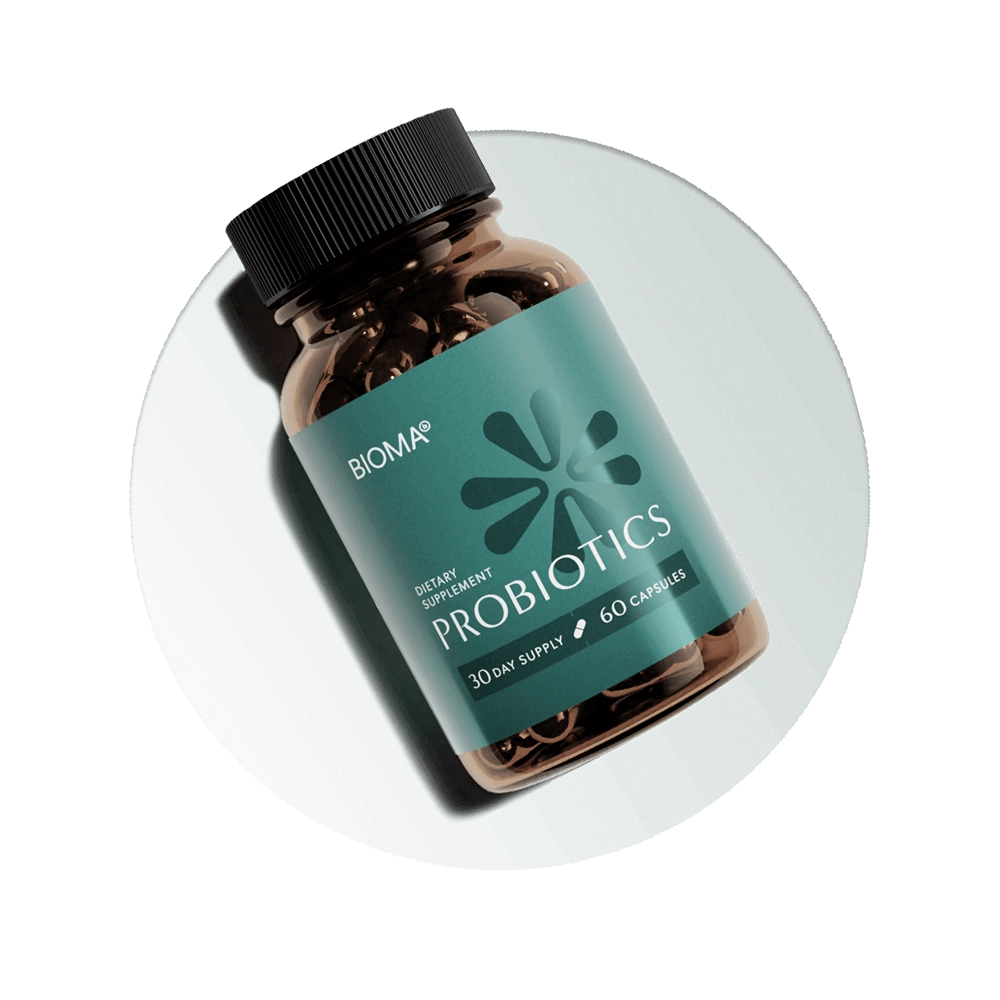
While food played a huge role, one thing that made the biggest difference for me was supporting my gut on a deeper level. During this week, I also was using Bioma Probiotics, which are designed to support the gut microbiome with targeted beneficial bacteria. What I found interesting is that it was not about adding random probiotics, but about supporting the balance of bacteria that already exists in your system. Combined with the foods I was eating, this helped create a more stable environment for digestion and nutrient absorption. Over time, this made the results feel more consistent rather than temporary, which was something I had struggled with before.

Quick Gut Check: Are You Dealing With the Same Issues?
Before I started, I did not fully connect my symptoms to my gut, even though the signs were there. If you are unsure whether your gut might be the issue, these quick questions can help you reflect.
Quick Gut Check: Are You Dealing With the Same Issues?
Before I started, I did not fully connect my symptoms to my gut, even though the signs were there. If you are unsure whether your gut might be the issue, answer these quick questions.
What I’d Do Differently If I Started Again
Looking back, there are a few things I would adjust to make the process even smoother and more effective. I would start increasing fiber more gradually, because adding too much too quickly can cause temporary discomfort. I would also pay more attention to how specific foods made me feel, rather than assuming all “healthy” foods work the same for everyone. Consistency would still remain my main focus, because that is what created the biggest results. Most importantly, I would not overcomplicate the process, because simple habits were enough to create real change.
So… How Do You Actually Fix Your Gut?
If there is one thing this experiment taught me, it is that learning how to fix your gut is not about following extreme diets or cutting out everything you enjoy. It is about understanding what your body responds to and building consistent habits around that. When people ask “how do I fix my gut health”, the answer is usually simpler than expected, but it requires patience and consistency. Focusing on whole foods, supporting your microbiome, and removing the biggest irritants can already create noticeable improvements in a short time. For me, those seven days were just the beginning, but they completely changed how I think about food and my gut.
Related articles



Less gut discomfort. More freedom to enjoy life.
Take our 1-min quiz to find out your gut type and get personalized advice and probiotics to relieve constipation, bloating, and other digestive issues.


