What Happens to Your Gut When You Take GLP-1 Medications


GLP-1 medications have quickly become one of the most talked-about tools in weight loss. From social media to medical clinics, more people are turning to these treatments for results that once felt out of reach. They are often discussed in terms of appetite control and rapid changes on the scale, but there is a deeper layer that rarely gets attention. What is actually happening inside your body, especially in your gut?
Most conversations focus on outcomes, not mechanisms. Yet your gut health plays a central role in how these medications affect you day to day. If you only look at weight loss, you miss an important part of the picture. GLP-1 medications do not just change how much you eat. They change how your digestive system functions, how your body processes food, and how your internal balance is maintained over time.

What Is GLP-1 Medication and How Does It Work
To understand the effects on your gut, you first need to understand what GLP-1 medication is and how it works. GLP-1 stands for glucagon-like peptide-1, a hormone naturally produced in your body. Its role is to help regulate blood sugar, slow down digestion, and signal feelings of fullness after eating. GLP-1 medications are designed to mimic this hormone, amplifying its effects in a controlled way.
When you take a GLP-1 medication, your body responds by slowing gastric emptying, which means food stays in your stomach longer. This creates a prolonged feeling of fullness and reduces the urge to eat frequently. At the same time, these medications help stabilize blood sugar levels, which can reduce cravings and energy crashes. This combination is what makes them effective for weight loss, but it also means your digestive system is operating differently than it normally would.
What Happens in Your Gut When You Take GLP-1
Once GLP-1 medications begin working, one of the first systems affected is your digestive tract. The slowed movement of food changes how your gut processes meals, how nutrients are absorbed, and how signals are sent to your brain. This shift can feel subtle at first, but over time it reshapes your digestive rhythm.
Because food moves more slowly, your gut microbiome is also affected. The balance of gut bacteria depends heavily on what you eat and how often you eat it. When both of these factors change, your microbiome begins to adapt. In some cases, this can support better metabolic regulation, but in others, it can create imbalances that lead to discomfort. The key point is that your gut is not passive in this process. It is actively responding to the changes introduced by the medication.

The Most Common Gut-Related Side Effects
Many of the commonly reported effects of GLP-1 medications are directly related to the digestive system. These are not random reactions, but rather the result of how the medication alters normal gut function.
- Nausea
- Bloating
- Constipation
- Diarrhea
- General stomach discomfort
These side effects of GLP-1 medication are often most noticeable at the beginning, but they can persist if the gut does not fully adapt. They occur because your digestive system is adjusting to a slower pace and different signaling patterns. For some people, this adjustment is mild and temporary. For others, it can be more disruptive and affect daily comfort.

Why Your Gut Needs Extra Support on GLP-1
When your digestive system slows down and your food intake decreases, your gut is working under new conditions. One important factor is that eating less can reduce the diversity of nutrients reaching your microbiome. This matters because your gut bacteria rely on a steady supply of different nutrients to maintain balance. When that diversity drops, certain bacterial strains may become less active while others become more dominant.
At the same time, slower digestion can lead to a buildup of discomfort, especially if your system is not adapting smoothly. This is why some people experience bloating or irregular digestion while using GLP-1 medications. The issue is not necessarily the medication itself, but how your gut responds to the changes it creates. Supporting your gut during this process can make a noticeable difference in how you feel overall.
Can GLP-1 Affect Your Gut Microbiome Long-Term
The long-term impact of GLP-1 medications on the gut microbiome is still being studied, but there are clear indications that changes do occur. When eating patterns shift and digestion slows, the environment in your gut changes as well. Over time, this can influence which bacteria thrive and which ones decline.
This does not automatically mean negative outcomes. In some cases, improved blood sugar control and reduced overeating can support a healthier internal environment. However, there is also the possibility of imbalance if the microbiome is not properly supported. The key is not to view GLP-1 medications as harmful or beneficial in isolation, but to recognize that they introduce changes that your body needs to adapt to.
Supporting Your Gut Without Disrupting Your Progress
One of the biggest concerns people have is whether supporting their gut will interfere with the effectiveness of GLP-1 medications. In reality, the goal is not to counteract the medication, but to help your body function more comfortably while using it. A well-supported gut can improve digestion, reduce discomfort, and help maintain internal balance without affecting your progress.
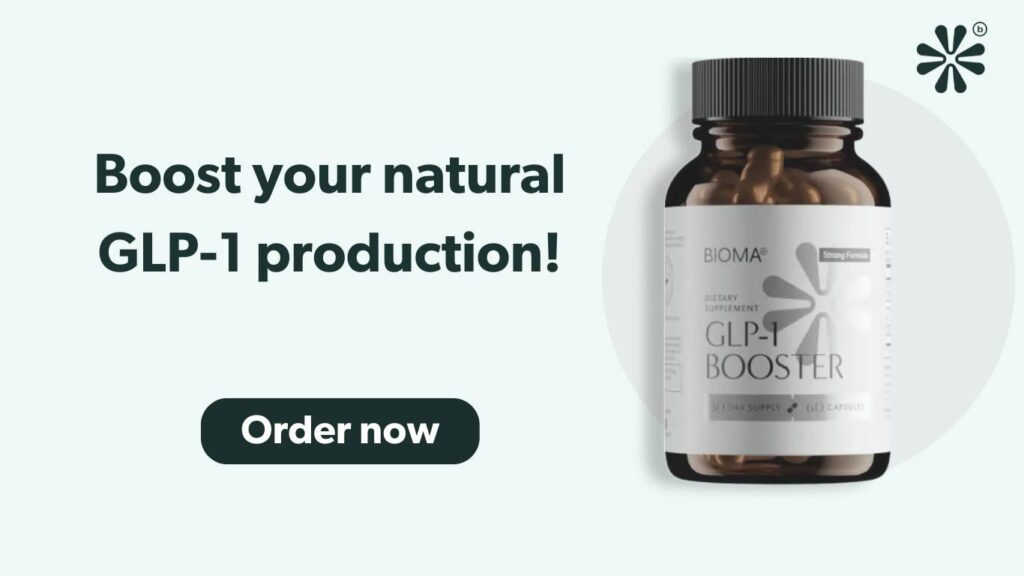
This is where targeted solutions like Bioma GLP-1 Booster can play a role. Designed to work alongside GLP-1 medications, it focuses on supporting gut balance and helping your digestive system adapt to the changes more smoothly. By addressing the microbiome directly, it aims to reduce common discomforts while allowing the medication to continue doing its job. This kind of approach is not about replacing the treatment, but about making the overall experience more sustainable.
The Real Question: Are You Losing Weight or Losing Balance
Weight loss is often treated as the primary goal, but it is not the only factor that matters. When your body changes rapidly, it is important to consider what is happening internally as well. If your digestive system is struggling, or if your gut balance is shifting in ways that create discomfort, those signals should not be ignored.
The question is not whether GLP-1 medications work, but how they fit into a broader picture of health. Losing weight without maintaining internal balance can lead to new challenges over time. On the other hand, supporting your system while using these medications can help create a more stable and sustainable outcome.
Support the System, Not Just the Result
GLP-1 medications are powerful tools, but they are only one part of a larger system. Your gut plays a central role in how your body responds, adapts, and maintains balance throughout the process. Ignoring that system can lead to unnecessary discomfort and missed opportunities to feel better overall.
Instead of focusing only on the visible results, it is worth paying attention to how your body feels internally. Supporting your gut health while using GLP-1 medications can help you move beyond short-term changes and toward a more balanced and sustainable outcome.
Related articles



Less gut discomfort. More freedom to enjoy life.
Take our 1-min quiz to find out your gut type and get personalized advice and probiotics to relieve constipation, bloating, and other digestive issues.


