The PMS–Gut Connection No One Talks About


A few days before your period, everything feels different. Your mood shifts, your energy drops, and your body starts reacting in ways that feel unpredictable. But one of the most common and least talked about changes happens in your gut. Bloating increases, digestion slows down, and foods that normally feel fine suddenly feel heavy or uncomfortable.
Most people treat these symptoms as separate issues. PMS is one thing, digestion is another. But in reality, they are deeply connected. The PMS–gut connection explains why your body feels so different during this phase and why your digestion seems to work against you at the exact same time.
Why Your Gut Feels Different Before Your Period
The changes you experience before your period are driven by hormonal shifts, especially fluctuations in estrogen and progesterone. These hormones do not just affect your mood or reproductive system. They also directly influence how your digestive system functions.
As progesterone rises, digestion tends to slow down. This can lead to bloating, constipation, or a feeling of heaviness after eating. At the same time, changes in estrogen can affect how sensitive your gut feels, making normal digestion feel more uncomfortable than usual. This is why your stomach may feel fine one week and completely different the next, even if your diet stays the same.
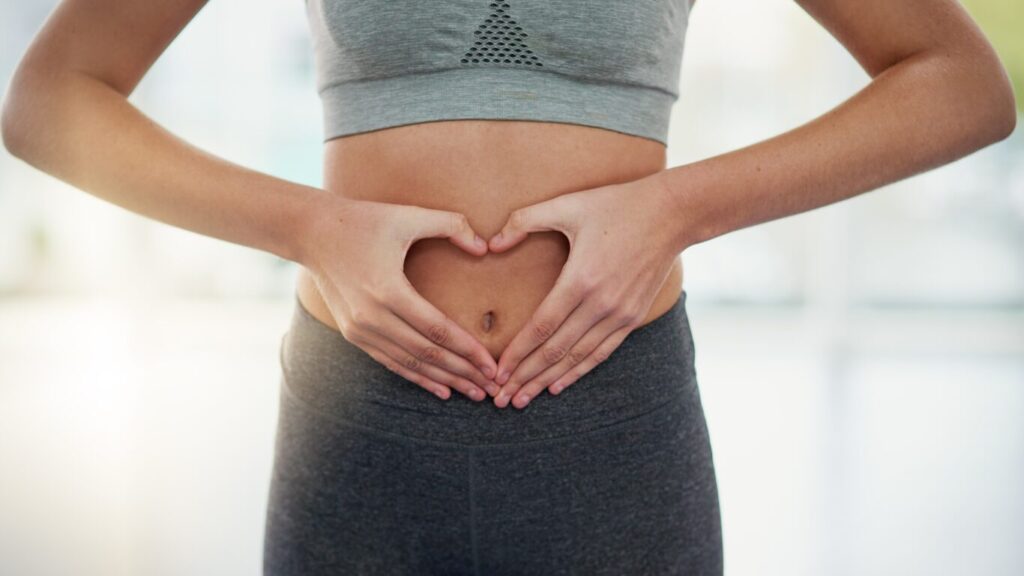
The Bloating You Feel Isn’t Just About Food
It is easy to assume that bloating during PMS is caused by what you eat. While food can play a role, the underlying cause is often hormonal. When digestion slows down, food stays in your system longer, which can lead to gas buildup and discomfort.
In addition, your body may retain more water during this phase, which can amplify the feeling of fullness or pressure in your abdomen. This combination creates a type of bloating that feels different from normal digestive discomfort. It is less about one specific meal and more about how your body is processing everything at that moment.
Why You Crave Certain Foods (And How It Affects Your Gut)
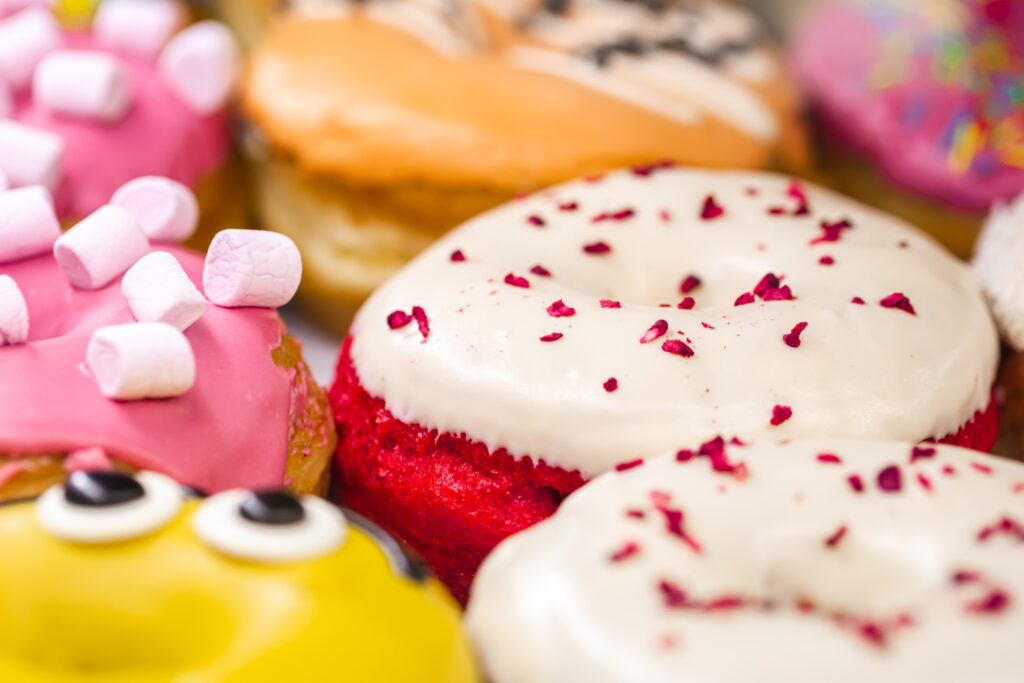
Cravings during PMS are not just about willpower. They are influenced by changes in your brain chemistry and energy regulation. Your body may seek quick sources of energy, which often leads to cravings for sugar or highly processed foods.
These foods can provide temporary relief, but they often make gut symptoms worse. They can increase inflammation, disrupt your microbiome, and contribute to more bloating or discomfort. This creates a cycle where cravings lead to choices that make you feel worse, even though they initially feel satisfying.
Understanding this pattern helps shift the focus from self-control to awareness. It is not about eliminating cravings completely, but about recognizing how they affect your body and making choices that support you rather than work against you.
The Role of Your Microbiome During PMS
Your gut microbiome does not stay constant throughout the month. It responds to hormonal changes, which means its balance can shift during different phases of your cycle. This is one of the reasons why digestion can feel more sensitive before your period.
When your microbiome is well-balanced, your body is better able to handle these fluctuations. When it is not, the effects can feel stronger. You may experience more noticeable bloating, irregular digestion, or increased sensitivity to certain foods.
This is why the PMS–gut connection is not just about hormones. It is also about how well your gut is supported overall. A stable microbiome can help reduce the intensity of these symptoms, even if it does not eliminate them completely.
Why Stress Makes PMS Gut Symptoms Worse
Stress is another factor that often intensifies PMS-related gut issues. During this time, your body is already more sensitive, and additional stress can amplify that sensitivity. Your nervous system and digestive system are closely linked, so when one is affected, the other responds.
This is why periods of higher stress often lead to more noticeable bloating, discomfort, or irregular digestion before your period. It is not just in your head. It is a physical response to how your body processes stress during a hormonally sensitive phase.
What Actually Helps (Without Overcomplicating It)
When your gut feels off during PMS, the goal is not to completely fix everything in a few days. It is to support your body in a way that makes this phase more manageable.
- Eating simpler, easier-to-digest meals can reduce pressure on your system
- Avoiding large, heavy meals late in the day can help with overnight digestion
- Staying hydrated supports smoother digestion
- Keeping routines consistent helps your body stay regulated
These adjustments are not about restriction. They are about reducing unnecessary strain on your body when it is already working through hormonal changes.
Supporting Your Gut Through Hormonal Changes
Because your body goes through this cycle every month, it makes sense to support your gut consistently rather than only reacting when symptoms appear. Building a more stable internal environment can help reduce how intense these changes feel over time.
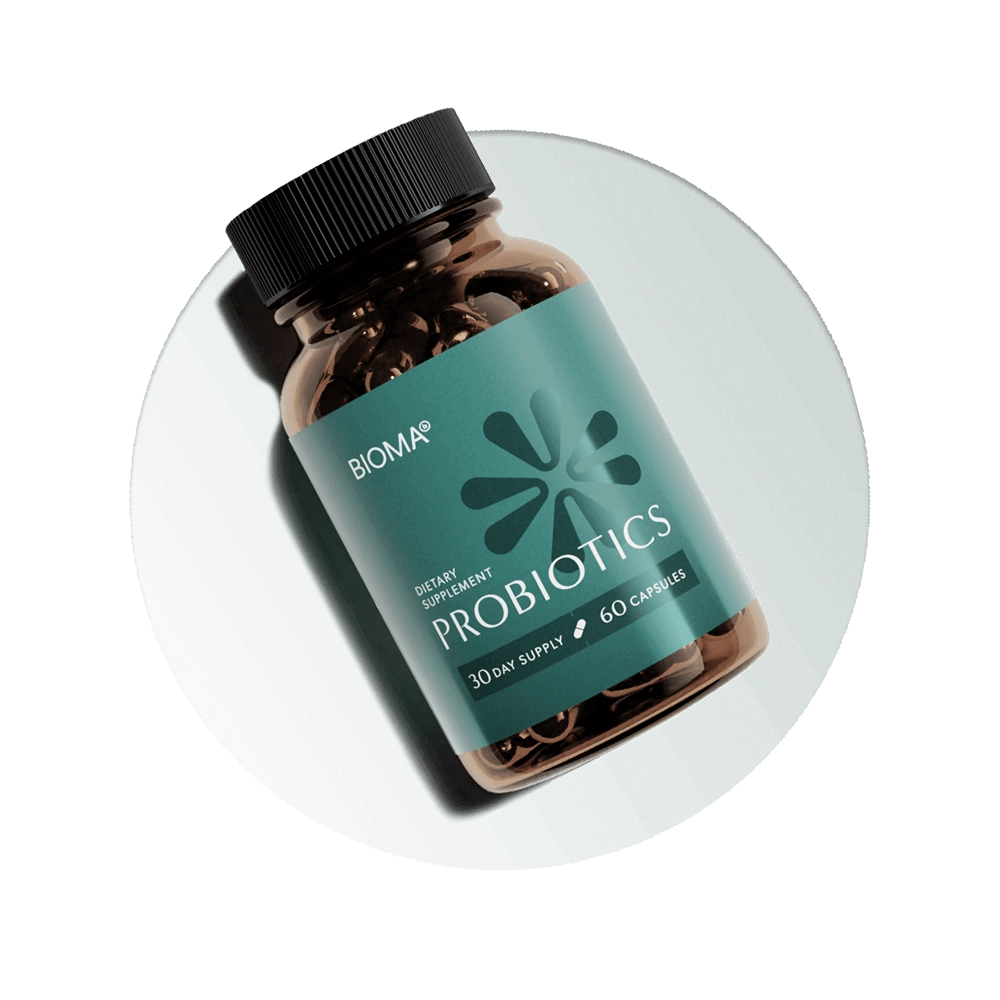
This is where solutions like Bioma Probiotics can support your system more effectively. By helping maintain microbiome balance, they support digestion and overall gut stability, even during hormonally sensitive phases. Instead of your gut reacting each month strongly, it becomes more resilient and better able to adapt.
The Part No One Talks About: It’s Not Just Physical
What makes the PMS–gut connection especially frustrating is that it affects how you feel both physically and emotionally. When your digestion feels off, your energy drops, and your mood shifts, it can feel like everything is slightly harder than usual.
This is often dismissed as “just PMS,” but that explanation does not make the experience easier. Understanding that there is a real connection between your hormones and your gut can help you approach this phase with more awareness and less frustration.
The Takeaway: Your Gut Changes With Your Cycle
Your body is not inconsistent. It is cyclical. The changes you experience before your period are part of a pattern, and your gut is deeply involved in that pattern. Once you understand the PMS–gut connection, these shifts start to make more sense.
Instead of fighting against your body, the more effective approach is to support it through these changes. When your gut is more balanced, this phase becomes less intense and more manageable. Over time, this can turn something that feels frustrating into something you understand and handle with more ease.
Related articles



Less gut discomfort. More freedom to enjoy life.
Take our 1-min quiz to find out your gut type and get personalized advice and probiotics to relieve constipation, bloating, and other digestive issues.


