The “Invisible Inflammation” Problem No One Talks About


You can be doing everything “right” on paper and still not feel like yourself. You eat relatively well, you get enough sleep, and nothing seems obviously wrong. Yet your energy feels low, your focus is inconsistent, and there is a constant sense that something is slightly off. Many people live in this state for years without a clear explanation, assuming it is just part of modern life.
What often goes unnoticed is the presence of hidden inflammation in the body. Unlike acute inflammation, which comes with pain or visible symptoms, this type operates quietly in the background. It does not demand attention, but it slowly affects how your body functions on a daily basis. This is why it is often referred to as invisible inflammation. It is not dramatic, but it is persistent, and over time it can shape how you feel more than you realize.

What Is “Invisible Inflammation”
Invisible inflammation is a form of low-grade, chronic inflammation that does not present with obvious warning signs. It is not the kind of inflammation you feel after an injury or illness. Instead, it exists at a subtle level, influencing your internal systems without triggering immediate concern. This makes it difficult to detect without paying close attention to patterns in how your body feels over time.
The challenge with invisible inflammation is that it becomes normalized. When symptoms are mild but constant, they are often dismissed as stress, lack of sleep, or simply getting older. However, this ongoing state of low-level inflammation can gradually disrupt multiple systems in your body. It can affect how you process nutrients, regulate energy, and maintain balance. Understanding invisible inflammation means recognizing that not all health issues are loud or obvious. Some of the most impactful ones are quiet.
Hidden Inflammation Symptoms Most People Ignore
Because invisible inflammation does not present with clear or urgent symptoms, it often shows up in ways that seem unrelated at first. These signals are easy to overlook, especially when they appear gradually and without a clear cause.
- Constant low energy, even after resting
- Brain fog or difficulty staying focused
- Mood fluctuations that feel inconsistent
- Digestive discomfort or irregularity
- Skin issues that appear without a clear trigger
- A general feeling of being “off” without knowing why
What makes these symptoms particularly challenging is that they rarely appear in isolation. Instead, they form a pattern that develops over time. You may notice that your energy is lower than it used to be, or that your focus is not as sharp, but each individual symptom seems too minor to take seriously. When viewed together, however, they point to a deeper imbalance. This is often how hidden inflammation in the body manifests, not as a single problem, but as a collection of subtle disruptions that gradually affect your daily life.

What Causes Hidden Inflammation in the Body
Invisible inflammation does not come from a single source. It is usually the result of multiple small factors that accumulate over time. One of the most significant contributors is diet, especially when it is high in ultra-processed foods and low in nutrients that support the body’s natural balance. These foods can trigger inflammatory responses that are not immediately noticeable but become more impactful with consistency.
Stress is another major factor. Chronic stress keeps your body in a constant state of alert, which can increase inflammatory activity even when there is no external threat. Over time, this creates a baseline level of inflammation that your body struggles to reduce. In addition, a disrupted gut microbiome can further amplify this effect. When the balance of bacteria in your gut is off, it can influence your immune system in ways that promote inflammation rather than regulate it.
What makes this process difficult to recognize is that it is gradual. It is not one major event, but rather a series of small habits and exposures that build up over time. This is why many people experience hidden inflammation symptoms without being able to point to a specific cause.
Why Your Gut Plays a Bigger Role Than You Think
Your gut is one of the central regulators of inflammation in your body. It is closely connected to your immune system, meaning that the state of your microbiome directly affects how your body responds to potential threats. When your gut is balanced, it helps regulate inflammation and maintain stability. When it is not, it can contribute to ongoing low-level inflammatory responses.
An imbalanced gut does not just affect digestion. It can influence how your body handles stress, how efficiently it processes nutrients, and how well it maintains internal balance. This is why gut health is often at the center of discussions around chronic conditions and overall well-being. When looking at invisible inflammation, the gut is not just one factor among many. It is often a key driver of the entire process.

How to Reduce Hidden Inflammation Naturally
Reducing hidden inflammation is not about extreme changes or short-term fixes. It is about creating conditions that allow your body to return to a more balanced state. This involves supporting the systems that regulate inflammation rather than trying to suppress it directly.
- Focusing on whole, nutrient-dense foods helps reduce inflammatory triggers
- Increasing fiber intake supports beneficial gut bacteria
- Prioritizing consistent sleep helps regulate internal processes
- Managing stress through simple daily practices supports balance
- Supporting gut health creates a foundation for long-term stability
These approaches work together to address the underlying causes of inflammation rather than just its symptoms. Over time, they can help your body shift away from a constant low-level inflammatory state and toward a more stable and efficient functioning pattern. The key is consistency, as these changes build on each other gradually.
Targeting Inflammation at the Source
While general lifestyle improvements are essential, they do not always fully address deeper imbalances, especially when they have been present for a long time. In these cases, more targeted support can make a meaningful difference. Addressing inflammation at its source often means focusing on the gut, where many of these processes begin.
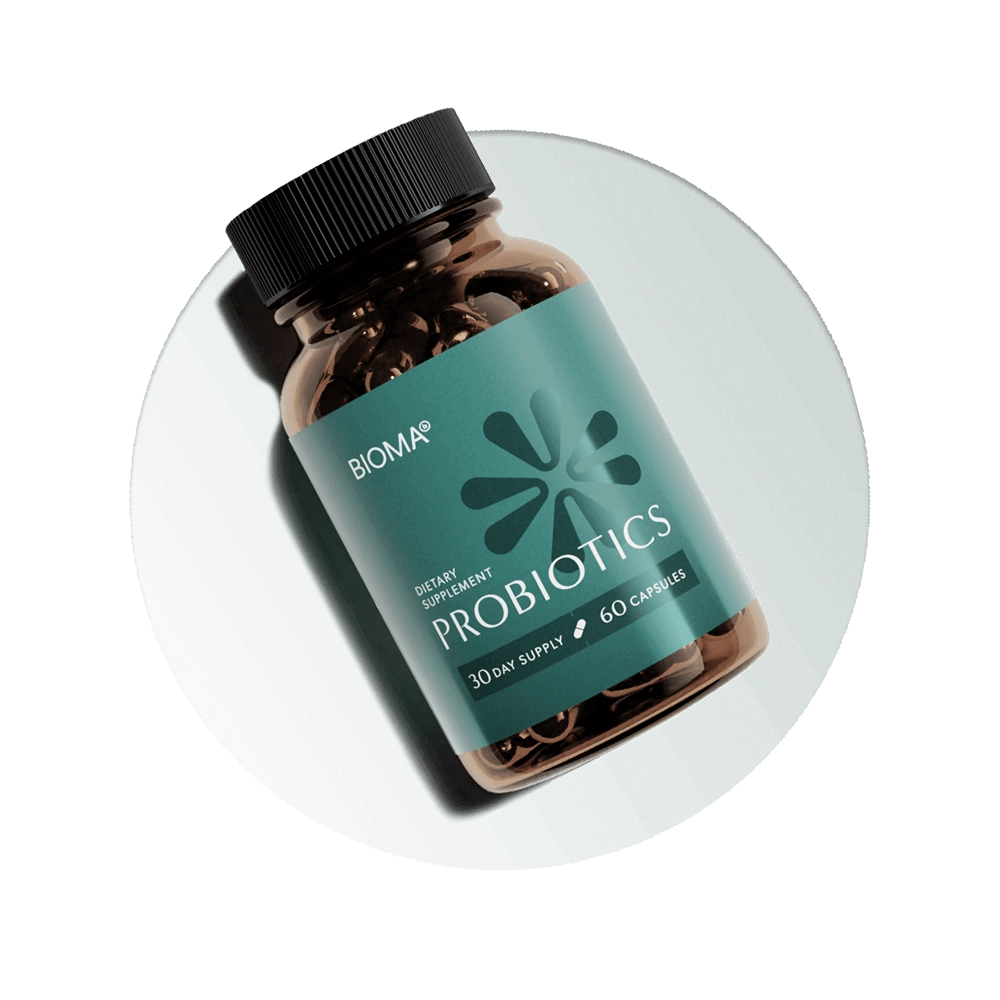
This is where solutions like Bioma Probiotics can support a more structured approach. By focusing on specific strains designed to help restore microbiome balance, they aim to support the systems that regulate inflammation naturally. Rather than acting as a quick fix, this type of support works alongside healthy habits to create a more stable internal environment. Over time, this can contribute to improved digestion, more consistent energy, and a reduced sense of underlying imbalance.

The Real Problem: You Think You’re Fine
One of the biggest challenges with invisible inflammation is that it is easy to ignore. Because the symptoms are not extreme, they often become part of what people consider normal. Feeling slightly tired, occasionally unfocused, or generally not at your best becomes something you adapt to rather than question.
This normalization can delay meaningful changes. When discomfort is mild but constant, it rarely feels urgent enough to address. However, over time, these small issues can compound into larger imbalances that are harder to correct. Recognizing that these signals are not random is an important step toward addressing them before they become more significant.
Feeling “Off” Is Not Normal
It is easy to accept low energy, brain fog, or subtle discomfort as part of everyday life. But these signals are often your body’s way of indicating that something is not fully in balance. Invisible inflammation is one of the most overlooked reasons behind this feeling, precisely because it does not present in obvious ways.
The key takeaway is that feeling “off” is not something you have to accept. Your body is capable of functioning with more clarity, stability, and energy than you might currently experience. By understanding the role of hidden inflammation and taking steps to support your internal systems, you can begin to shift away from that baseline discomfort. Over time, this can lead to a noticeable improvement in how you feel, not just occasionally, but consistently.
Related articles



Less gut discomfort. More freedom to enjoy life.
Take our 1-min quiz to find out your gut type and get personalized advice and probiotics to relieve constipation, bloating, and other digestive issues.


