The Gut–Brain Loop: Why You Can’t Break Bad Habits


You tell yourself this time will be different. You will wake up earlier, eat better, stop scrolling late at night, or finally stick to a routine. For a few days, it works. Then slowly, almost automatically, you fall back into the same patterns. It feels frustrating because you know what to do, yet something keeps pulling you back.
Most people blame discipline when this happens. But the truth is more complex. Your habits are not controlled by willpower alone. They are deeply influenced by the gut and brain connection, a biological loop that constantly shapes how you feel, think, and act. When this system is out of balance, breaking bad habits becomes much harder than it should be.

What Is the Gut–Brain Axis
To understand why habits feel so difficult to change, you need to understand what the gut-brain axis is. The gut-brain axis is a communication network that connects your digestive system and your brain. It works through nerves, hormones, and chemical signals, allowing both systems to constantly exchange information.
This means your brain is not the only thing influencing your behavior. Your gut is also involved in decision-making, emotional responses, and even cravings. The idea that your gut is your second brain is not just a metaphor. Your gut contains millions of neurons and produces many of the same neurotransmitters found in the brain.
When this connection is balanced, your thoughts and actions feel more aligned. When it is not, you may experience resistance, cravings, and patterns that feel almost automatic. This is where the gut-brain loop begins to influence your daily habits.
The Gut–Brain Loop: Why You Keep Repeating the Same Patterns
The gut-brain loop works like a feedback system. Your gut influences your brain, and your brain influences your gut in return. Over time, this creates patterns that can either support healthy habits or reinforce negative ones.
For example, if your gut microbiome is imbalanced, it can affect your cravings and energy levels. Certain gut bacteria thrive on sugar and processed foods, and they can send signals that increase your desire for those foods. This makes it harder to stick to healthier choices, even if you are motivated. At the same time, your brain interprets these signals as cravings, reinforcing the habit.
This loop also affects your emotional state. The gut brain connection anxiety link shows that an imbalanced gut can increase feelings of stress or unease. When you feel stressed, you are more likely to fall back into familiar habits, such as comfort eating or procrastination. Over time, this creates a cycle where your biology supports the very behaviors you are trying to change.

Why Willpower Alone Doesn’t Work
One of the biggest misconceptions about habits is that they are purely psychological. In reality, they are also physiological. When your internal systems are working against you, relying on willpower becomes exhausting and unsustainable.
If your energy is low, your brain will naturally seek easier options. If your gut is sending signals that increase cravings, resisting them requires constant effort. This is why people often feel like they are fighting themselves. It is not a lack of discipline, but a mismatch between intention and biology.
Understanding the gut brain relationship changes how you approach habits. Instead of forcing change through effort alone, you begin to support the systems that make change easier. This shift can make a significant difference in how sustainable your habits become.
How Your Gut Microbiome Shapes Your Decisions
Your gut brain microbiome plays a central role in this process. The trillions of bacteria in your gut influence how your body responds to food, stress, and environmental factors. They also affect the production of neurotransmitters that regulate mood and motivation.
When your microbiome is diverse and balanced, it supports stable energy and clearer thinking. This makes it easier to make decisions that align with your goals. When it is imbalanced, your body may push you toward short-term comfort rather than long-term benefits.
This is why improving your gut health can indirectly improve your habits. You are not just changing what you do. You are changing the internal signals that drive those actions.

How to Support the Gut–Brain Connection
Improving the gut-brain connection does not require extreme changes. It is about creating a stable internal environment that supports better decision-making over time.
- Eating a variety of whole foods supports microbiome diversity
- Including fiber helps feed beneficial gut bacteria
- Reducing processed foods limits negative signals from the gut
- Maintaining a consistent sleep routine supports both gut and brain function
- Managing stress helps regulate the communication between both systems
These changes work together to improve how your gut and brain interact. Over time, this can reduce cravings, stabilize energy, and make it easier to maintain healthier habits.
Supporting the System That Drives Your Habits
While lifestyle changes are essential, they are sometimes not enough on their own. If your gut has been out of balance for a long time, additional support can help restore stability more effectively. This is especially important when your goal is not just better digestion, but better overall functioning.
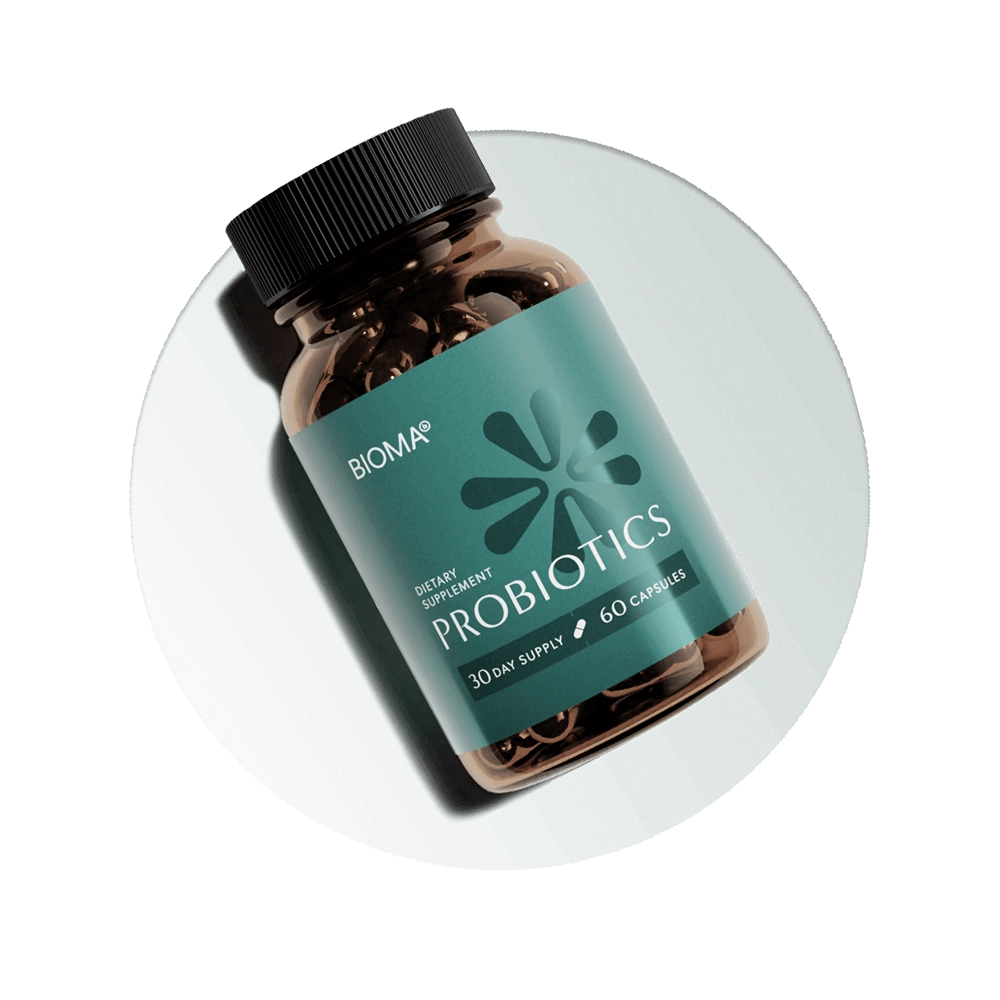
This is where solutions like Bioma Probiotics can support a more targeted approach. By focusing on specific strains designed to improve microbiome balance, they aim to support the gut-brain connection at a deeper level. This can help create a more stable internal environment, making it easier for your habits to align with your intentions over time.

Fix the Loop, Not Just the Habit
If you feel stuck in the same patterns, it is easy to assume the problem is a lack of discipline. But habits are not just about what you choose to do. They are about the system that influences those choices. The gut-brain loop is one of the most powerful parts of that system.
Instead of trying to force change, it can be more effective to support the connection between your gut and brain. When that system becomes more balanced, your energy, focus, and decision-making begin to shift naturally. Breaking bad habits becomes less about effort and more about alignment.
Your Gut–Brain Reading List
Here’s a curated, “girly aesthetic” inspired list of books that explore the gut-brain connection in a deeper but still engaging way. Perfect if you want to understand your body while also romanticizing your self-improvement era.
✨ Your Gut–Brain Glow-Up Reading List
Understand your body. Upgrade your habits. Feel better daily.
📖 The Mind-Gut Connection
Explains how your gut influences your mood, decisions, and mental clarity in a very accessible way.
📖 Gut
A fun and surprisingly engaging deep dive into how your digestive system actually works.
📖 The Psychobiotic Revolution
Focuses on how gut bacteria affect anxiety, stress, and emotional balance.
📖 Eat to Beat Depression and Anxiety
Connects food, gut health, and mental well-being with practical insights.
Related articles



Less gut discomfort. More freedom to enjoy life.
Take our 1-min quiz to find out your gut type and get personalized advice and probiotics to relieve constipation, bloating, and other digestive issues.


