Stop Sugar Cravings for Good: What Causes Them and How to Finally Take Control

Sugar cravings are not a weakness. They are signals. If you constantly think about sweets, experience evening sugar cravings, or feel intense sugar cravings after meals, your body is communicating something important. The solution is not extreme restriction. The solution is understanding the biology behind cravings and learning how to respond strategically. This guide explains what sugar cravings mean, what causes them, and how to stop sugar cravings in a way that is realistic and sustainable.
Quick Self Check: Why Are You Craving Sugar Right Now
Quick Self Check: Why Are You Craving Sugar Right Now?
Select the statement that fits you best right now and get a personalized recommendation.
Answering these questions helps you identify the root cause in real time. This awareness is how you fight sugar cravings intelligently rather than reactively.
Sugar Cravings Meaning: What Your Body Is Really Telling You
Sugar cravings meaning goes far beyond simply liking dessert. Cravings are driven by complex interactions between blood glucose regulation, hormones, neurotransmitters, sleep patterns, and learned behavior. Your brain’s primary fuel source is glucose. When levels fluctuate too quickly, your body reacts fast. At the same time, sugar activates reward pathways that influence motivation and habit formation. Understanding these mechanisms is the first step if you want to stop sugar cravings long term.

What Do Sugar Cravings Mean Biologically
Biologically, sugar cravings often reflect rapid shifts in blood glucose. After consuming refined carbohydrates, glucose rises quickly. Insulin is released to lower it. If glucose then drops sharply, your brain perceives this as an energy threat and increases hunger signals. This process is tightly connected to the hormone insulin and its role in blood sugar regulation.
Sugar also stimulates dopamine release in the brain’s reward system. Dopamine is a neurotransmitter involved in pleasure and reinforcement, as described in research on dopamine. Over time, repeated sugar exposure can strengthen reward pathways, making cravings feel urgent rather than optional.
What Causes Sugar Cravings
The most common causes of sugar cravings include unstable blood glucose, chronic stress, insufficient protein intake, sleep deprivation, and high consumption of ultra processed foods. Diets dominated by refined carbohydrates increase the likelihood of glucose crashes. Chronic stress elevates cortisol, a hormone that increases appetite and preference for calorie dense foods.
Sleep loss disrupts hormones that regulate hunger, including ghrelin and leptin. When ghrelin rises and leptin falls, cravings intensify. This is why constant sugar cravings are often stronger during periods of stress and fatigue rather than purely dietary imbalance.
Why Am I Craving Sugar All of a Sudden
If you are asking why am I craving sugar all of a sudden, examine recent changes. Have you skipped meals? Increased training intensity? Experienced emotional stress? Reduced sleep? Even dehydration can amplify hunger cues.
Sudden sugar cravings can also follow restrictive dieting. When caloric intake drops too low, the body increases hunger signals as a protective mechanism. In some cases, underlying metabolic issues such as insulin resistance may contribute to stronger cravings. Identifying the context helps you combat sugar cravings effectively instead of reacting impulsively.
The Science Behind Constant and Intense Sugar Cravings
Constant sugar cravings are rarely random. They are typically rooted in physiological loops involving glucose regulation, stress hormones, and neural reinforcement. Once you understand the feedback cycles, it becomes much easier to reduce sugar cravings systematically.
Blood Sugar Spikes and Crashes
Highly refined carbohydrates digest rapidly. This creates a sharp rise in blood glucose followed by a compensatory insulin response. If glucose falls below baseline, you may feel irritable, fatigued, and intensely hungry. These symptoms resemble what happens in reactive hypoglycemia.
When this pattern repeats daily, the body begins to anticipate the crash. Sugar cravings after meals often reflect insufficient protein, fiber, or healthy fats in that meal. Stabilizing glucose is one of the most powerful ways to curb sugar cravings.
Hormones, Stress and Cortisol
Chronic stress keeps cortisol elevated. Cortisol increases glucose availability in the bloodstream to prepare for perceived threat. However, it also increases appetite and preference for fast energy foods. This is why emotional stress frequently triggers intense sugar cravings.
Over time, chronic stress can influence metabolic function and contribute to conditions such as metabolic syndrome. Managing stress through sleep, physical activity, and nervous system regulation is not optional if your goal is to prevent sugar cravings long term.
Extreme Sugar Cravings and Dopamine
Extreme sugar cravings often involve the brain’s reward circuitry. Repeated exposure to high sugar foods may reduce dopamine receptor sensitivity. As a result, larger amounts of sweetness are required to achieve the same perceived reward.
This mechanism shares similarities with other reinforcement driven behaviors studied in addiction neuroscience. While sugar is not classified as a drug, the behavioral reinforcement loop is well documented. Reducing exposure gradually allows the brain to recalibrate.

Why Evening and Night Sugar Cravings Hit Hardest
Evening sugar cravings are extremely common. This pattern is influenced by both biology and behavior. During the day, structure and routine often regulate food choices. At night, fatigue, emotional decompression, and reduced inhibition combine.
Evening Sugar Cravings Explained
By evening, decision fatigue sets in. Self regulation becomes weaker after a long day of cognitive effort. If earlier meals were low in protein or calories, your body seeks fast energy before sleep. This is not a discipline failure. It is a cumulative energy imbalance.
In addition, many people associate nighttime with relaxation rewards. This creates a learned pairing between comfort and sweets.
Sugar Cravings at Night and Sleep Disruption
Sugar cravings at night can worsen sleep quality. Late glucose spikes may disrupt stable overnight metabolism. Poor sleep then increases next day cravings due to hormonal shifts in ghrelin and leptin.
This creates a feedback loop. Night sugar cravings reduce sleep quality. Poor sleep increases the next day’s sugar cravings. Breaking this cycle requires both nutritional and sleep hygiene adjustments.
Sugar Cravings After Meals
If you consistently experience sugar cravings after eating, evaluate meal composition. Meals lacking protein and fiber digest quickly and may not trigger adequate satiety signals. Adding protein rich foods and fibrous vegetables improves fullness and stabilizes glucose. This simple shift can significantly reduce sugar cravings after meals.
How to Stop Sugar Cravings Naturally
If you want to know how to stop sugar cravings without extreme dieting, start with blood sugar stability. Balanced meals that include protein, fiber, and healthy fats slow digestion and reduce glucose volatility. Eating consistently throughout the day prevents extreme hunger.
Hydration also matters. Mild dehydration can mimic hunger. Prioritize water intake before assuming you need sugar. Stress management, resistance training, and adequate sleep improve insulin sensitivity and help reduce sugar cravings sustainably.
Foods That Stop Sugar Cravings
Foods that stop sugar cravings are those that stabilize blood glucose, increase satiety, and support the hormonal signals that regulate appetite. If your energy levels are constantly fluctuating, your body will naturally look for fast fuel. The key is choosing foods that slow digestion and prevent those sharp glucose spikes that trigger intense sugar cravings later.
Protein rich foods such as eggs, Greek yogurt, legumes, and fish help reduce post meal glucose swings. Protein slows gastric emptying and increases fullness hormones, which makes you less likely to crave sweets shortly after eating. High fiber foods including oats, berries, chia seeds, flaxseeds, and leafy greens further stabilize blood sugar by slowing carbohydrate absorption.
Healthy fats also play an important role. Avocado, olive oil, nuts, and seeds improve satiety and reduce the likelihood of sugar cravings after meals. When meals are built around protein, fiber, and healthy fats, the body receives a steady energy supply instead of a rapid spike and crash cycle.
Fermented foods such as kefir, yogurt with live cultures, sauerkraut, and kimchi may provide an additional layer of support. Research increasingly connects the gut microbiome to appetite regulation, food preferences, and even metabolic signaling. Certain bacterial imbalances have been associated with increased cravings for refined carbohydrates. When gut bacteria are out of balance, appetite signals can become dysregulated.
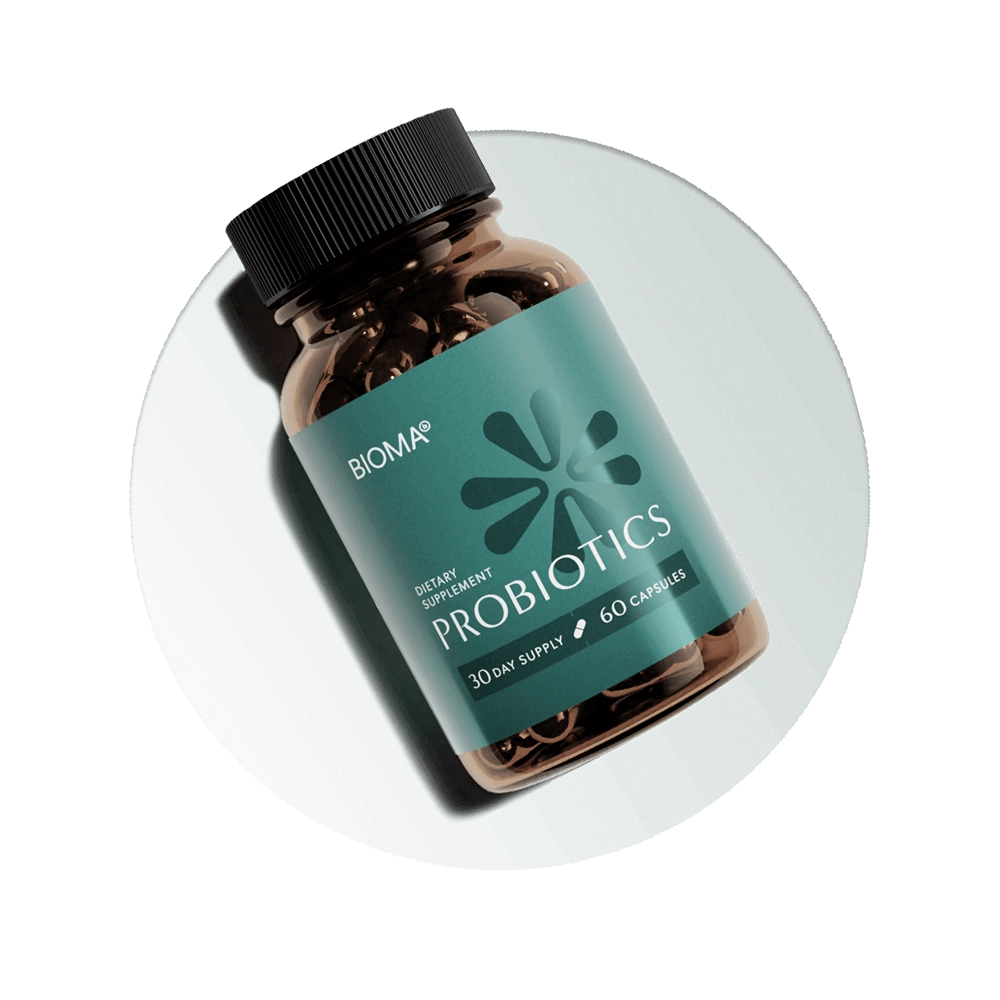
Bioma Probiotics Against Sugar Cravings
This is where targeted gut support becomes relevant. If you experience bloating, constipation, heaviness after meals, or brain fog alongside sugar cravings, the root cause may not be discipline. It may be a microbial imbalance. Check Bioma Gut Health which is designed specifically to address bacterial overgrowth and restore microbial balance. It contains research backed strains of Bifidobacterium breve, longum, and lactis, which are associated with digestive support and improved carbohydrate metabolism. By improving digestive efficiency and supporting microbial diversity, this type of targeted gut support may help reduce the intensity and frequency of sugar cravings over time. It works by addressing one of the underlying drivers rather than simply suppressing the symptom.

Supplements to Curb Sugar Cravings: What Actually Works
Supplements to curb sugar cravings can be helpful in specific contexts. Chromium has been studied for its role in insulin function. Magnesium supports glucose metabolism. Alpha lipoic acid has been examined in metabolic health research.
However, supplements to stop sugar cravings work best when underlying habits are addressed. They are supportive tools, not primary solutions. If you experience constant sugar cravings despite structured nutrition, professional evaluation is recommended to rule out metabolic issues such as type 2 diabetes.
How to Prevent and Stop Sugar Cravings Long Term
To prevent sugar cravings, think systemically. Stabilize blood glucose with balanced meals. Prioritize sleep. Manage stress proactively. Reduce ultra processed foods gradually rather than eliminating them abruptly. Consider targeted supplementation and microbiome support if needed.
You do not eliminate sugar cravings through restriction. You reduce them by creating metabolic stability. When blood glucose is stable, stress is regulated, and sleep is protected, sugar cravings stop feeling overpowering. Control shifts back to physiology instead of impulse.
Related articles



Less gut discomfort. More freedom to enjoy life.
Take our 1-min quiz to find out your gut type and get personalized advice and probiotics to relieve constipation, bloating, and other digestive issues.


