Mindful Eating: How It Affects Your Digestion – Take the Quiz!


You can eat the “perfect” diet and still struggle with bloating, heaviness, and inconsistent digestion. Why? Because digestion does not begin in the stomach. It begins in the nervous system. Mindful eating is not a trend. It is a physiological shift. The way you eat affects enzyme release, stomach acid production, gut motility, microbial balance, and even how your body regulates weight. If you have ever felt bloated despite eating healthy food, or found yourself overeating without realizing it, mindful eating may be the missing link. Let’s break it down — and then you can take the quiz to see what your eating style says about your digestion.

What Is Mindful Eating?
Mindful eating means paying full attention to the eating experience. It involves noticing hunger and fullness cues, chewing thoroughly, minimizing distractions, and being aware of emotional triggers around food. It does not mean eating slowly in an exaggerated way. It means eating with awareness instead of autopilot.
When you eat in a stressed or distracted state, your body remains in sympathetic mode, often called fight or flight. In that state, digestion is deprioritized. Blood flow shifts away from the digestive organs, stomach acid secretion may decline, and motility becomes inconsistent. This is one reason people experience bloating even when their food choices are relatively balanced. Mindful eating activates the parasympathetic system, often referred to as rest and digest. That shift alone can improve digestion quality.
The Science Behind Mindful Eating and Digestion
Digestion requires coordination. The vagus nerve signals the stomach to release acid. The pancreas releases enzymes. The gallbladder releases bile. The intestines contract rhythmically to move food forward. All of this works best when the body feels safe and regulated.
When cortisol remains elevated due to stress or rushed eating, gastric emptying may slow and intestinal sensitivity may increase. Research on the gut brain axis continues to show that psychological stress directly affects digestive symptoms, including bloating and irritable bowel patterns.
Mindful eating benefits extend beyond digestion. It improves awareness of satiety hormones such as leptin and cholecystokinin. These hormones signal fullness, but they require time and attention to be noticed. When meals are rushed, the brain often receives the fullness signal too late. This is why mindful eating and weight loss are frequently linked. It is not magic. It is regulation.

How Mindful Is Your Eating? (Digestive Self Check Quiz)
Select all statements that apply to you and find out the answer!
Mindful Eating & Digestion Quiz
1. How do you usually eat your meals?
2. How long does it take you to finish a meal?
3. What usually triggers you to eat?
4. After meals, how do you usually feel?
Mindful Eating and Weight Loss: What Actually Happens
Many people search how to lose weight with mindful eating. The mechanism is behavioral and hormonal. When you eat slowly and attentively, insulin spikes are more gradual. You are less likely to overconsume energy before satiety hormones register.
Mindful eating weight loss results often stem from reduced binge patterns, improved portion awareness, and lower stress induced eating. It is not restriction. It is regulation.

How to Practice Mindful Eating
Practicing mindful eating begins before you take the first bite. Pause for a few seconds, take two or three slow breaths, and check in with your hunger level. This simple reset helps shift your body into a calmer state, which supports proper digestion.
During the meal, slow down. Chew thoroughly, put your utensils down between bites, and minimize distractions like scrolling or watching TV. Eating with attention allows your brain to register fullness signals more accurately and reduces the likelihood of overeating.
After the meal, briefly assess how you feel. Aim for comfortable satisfaction rather than fullness to the point of discomfort. These small habits may seem simple, but when practiced consistently, they can significantly improve digestion and support long term weight balance
Tools That Can Help
If you are learning how to practice mindful eating, structured tools can make the process easier and more consistent. Apps for mindful eating such as Headspace or Ate Food Journal help increase awareness around why, when, and how you eat. Some apps focus on guided mindful eating meditation, while others encourage logging meals with reflections on hunger levels, emotions, and satiety. This type of tracking is not about calories. It is about identifying patterns that influence digestion and weight regulation.
Books on mindful eating can also provide deeper guidance. Titles such as Mindful Eating by Jan Chozen Bays introduce structured exercises that help reconnect you with hunger cues, emotional triggers, and portion awareness. These resources often include practical techniques for slowing down meals and recognizing fullness before discomfort sets in.
Even short daily mindful eating practices, such as a five minute guided meditation before meals, can retrain attention over time. The goal is not perfection but repetition. When awareness becomes habitual, digestion improves naturally and mindful eating for weight loss becomes a byproduct of regulation rather than restriction.

Why Mindful Eating Supports Gut Health
Mindful eating supports gut health because digestion is not just mechanical. It is neurological and hormonal. When you chew thoroughly, enzymes in saliva begin breaking down carbohydrates before food even reaches the stomach. Proper chewing also reduces the workload on the stomach and intestines, lowering the likelihood of bloating and incomplete digestion. Something as simple as slowing down the first few bites can change how efficiently your body processes a meal.
Eating in a calm state also improves stomach acid secretion and enzyme release. When you are stressed or distracted, the body remains in a fight or flight mode, which deprioritizes digestion. Blood flow shifts away from the digestive organs, and motility can become irregular. Over time, this pattern may contribute to bloating, heaviness, and increased gut sensitivity. When stress decreases, gut permeability and immune activation are more likely to stabilize.
Mindful eating creates the internal conditions where digestion can function optimally. It supports balanced motility, better nutrient absorption, and clearer satiety signals. Pairing mindful eating practices with gut supportive strategies such as diverse fiber intake, adequate hydration, and targeted probiotics can further enhance digestive stability. Bioma Probiotics are formulated to support microbial balance, which complements nervous system regulation and promotes more consistent digestive function.

Eat Slower. Digest Better. Feel Different.
Mindful eating is not a diet and it is not another rule to follow. It is a skill. When you become more aware of how you eat, your digestion often improves without needing extreme restrictions or complicated protocols. Bloating decreases, fullness cues become clearer, and overeating feels less automatic. These changes happen because you are working with your physiology instead of against it.
If you struggle with heaviness, inconsistent digestion, or stress-driven eating, start small. One calm meal per day. One screen free lunch. One moment of checking in with your hunger before you eat. These small repetitions build regulation over time. When paired with supportive habits such as fiber diversity, proper hydration, and targeted gut support like Bioma Probiotics, the results can feel even more stable and sustainable. Better digestion does not always require new foods. Sometimes it requires new awareness. Slow down. Pay attention. Let your body do what it was designed to do.
Related articles



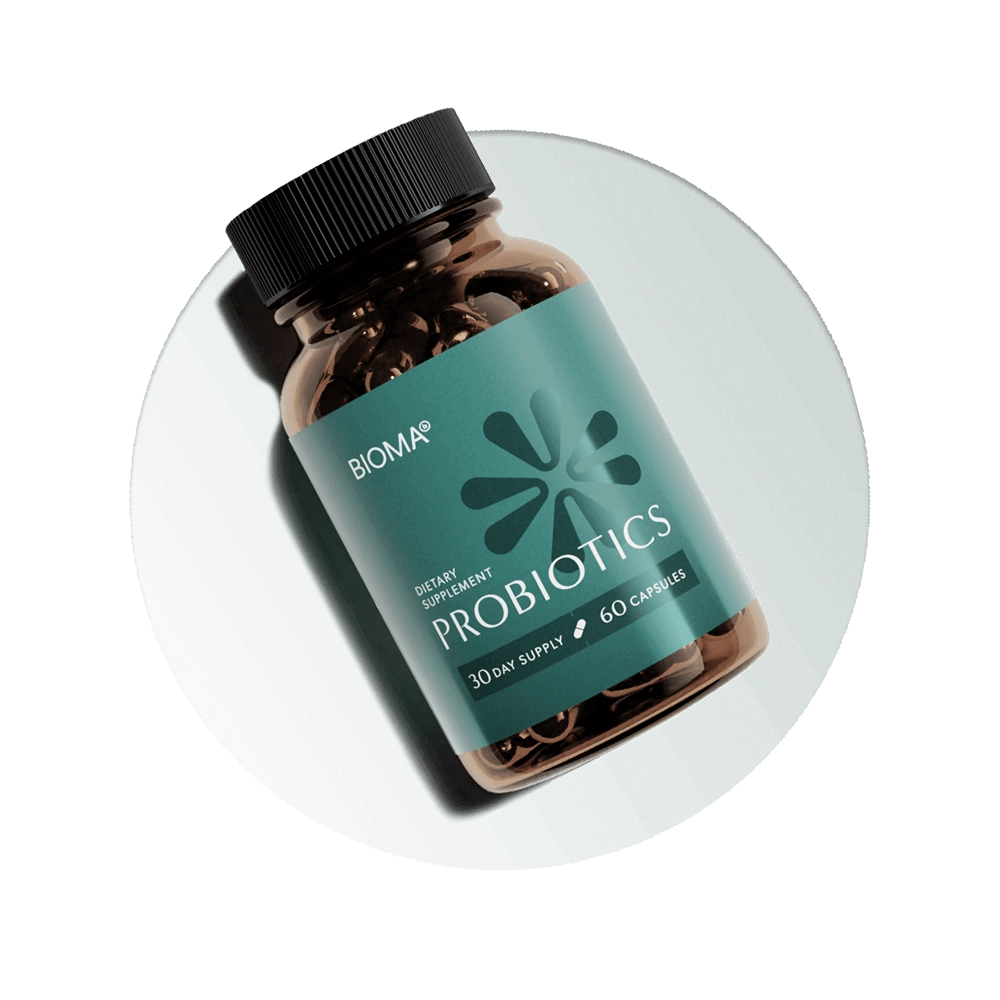
Less gut discomfort. More freedom to enjoy life.
Take our 1-min quiz to find out your gut type and get personalized advice and probiotics to relieve constipation, bloating, and other digestive issues.


