Is Your Vaginal Microbiome Healthy? Take This Feminine Health Quiz


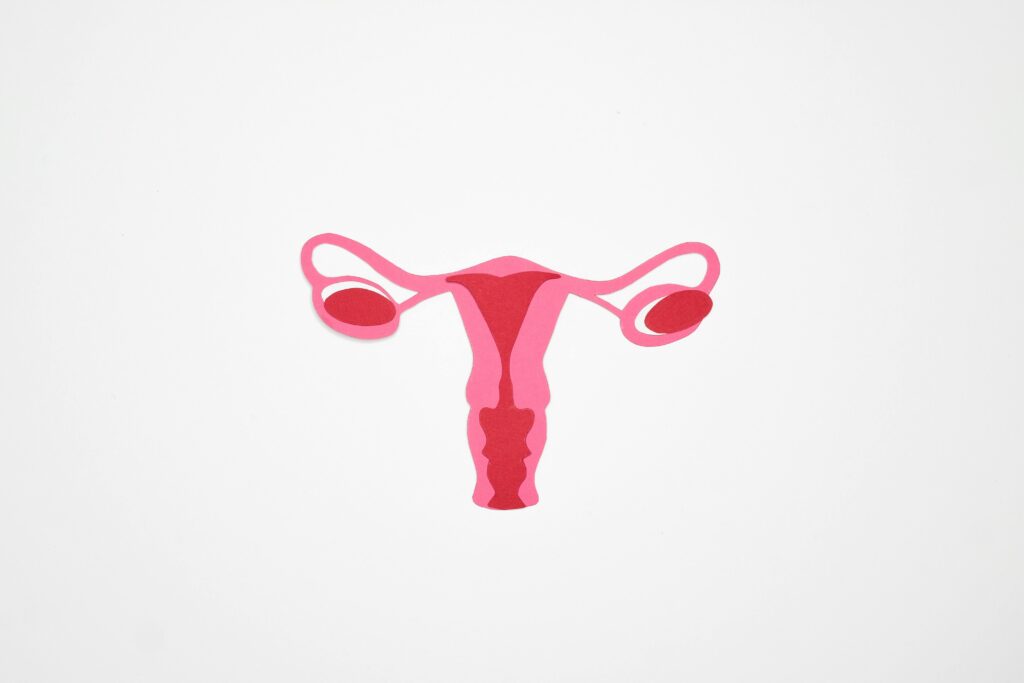
When it comes to overall health, we often think about the heart, lungs, or digestive system—but one area that deserves just as much attention is your vaginal health. The vaginal microbiome, a delicate balance of microorganisms residing in the vaginal area, plays a crucial role in maintaining your health and preventing infections. Just like the gut microbiome, the vaginal microbiome is made up of bacteria, fungi, and other microbes that need to be in balance to promote optimal health.
A healthy vaginal microbiome is essential for preventing issues such as yeast infections, bacterial vaginosis, urinary tract infections (UTIs), and even more serious conditions. Unfortunately, factors like stress, poor diet, hormonal imbalances, and the use of antibiotics can throw off this delicate balance, leading to uncomfortable symptoms and infections.

What is the Vaginal Microbiome?
The vaginal microbiome refers to the collection of microorganisms, including bacteria, fungi, and viruses, that live in the vagina. This community of microbes plays an essential role in maintaining the health of the vaginal environment by keeping harmful bacteria in check, supporting the immune system, and regulating the pH level of the vagina.
The most dominant and beneficial bacterium in a healthy vaginal microbiome is Lactobacillus. Lactobacillus bacteria help maintain an acidic environment in the vagina (with a pH of 3.8 to 4.5), which prevents the overgrowth of harmful bacteria and yeast. When the balance of microorganisms in the vagina is disrupted, it can lead to a variety of health issues, including infections, inflammation, and discomfort.
Signs of an Imbalanced Vaginal Microbiome
A balanced vaginal microbiome is usually asymptomatic, but when the balance is disrupted, several symptoms can occur. Some signs that your vaginal microbiome might be out of balance include:
- Unusual odor: A fishy or foul smell, especially after sex, could indicate an imbalance in the vaginal microbiome.
- Itching or burning: Persistent itching, burning, or discomfort in the vaginal area can be a sign of an infection or an imbalance.
- Abnormal discharge: Changes in the color, texture, or amount of vaginal discharge, especially if it’s thick, white, or yellow, can signal a problem.
- Pain during intercourse: Vaginal discomfort or pain during sex could be a symptom of a disrupted microbiome.
- Frequent urinary tract infections (UTIs): A lack of beneficial bacteria can increase the risk of UTIs and other infections.
If you notice any of these symptoms, it’s essential to consult with a healthcare provider for a proper diagnosis and treatment plan.

What Causes Imbalance in the Vaginal Microbiome?
Several factors can disrupt the natural balance of the vaginal microbiome, including:
1. Antibiotics
While antibiotics are essential for fighting infections, they can also harm the beneficial bacteria in the vaginal microbiome. This can lead to an overgrowth of harmful bacteria or yeast, resulting in infections like yeast infections or bacterial vaginosis.
2. Poor Diet
A diet high in processed foods, refined sugars, and unhealthy fats can negatively impact the health of your microbiome, both vaginal and gut. Consuming nutrient-dense foods, especially those rich in fiber and probiotics, is key to supporting a healthy vaginal microbiome.
3. Hormonal Changes
Hormonal fluctuations, such as those that occur during pregnancy, menstruation, or menopause, can affect the vaginal microbiome. Estrogen levels, in particular, play a key role in maintaining the balance of healthy vaginal bacteria. When estrogen levels drop, as they do during menopause, the vaginal environment can become more susceptible to infections.
4. Stress
Chronic stress can lead to an imbalance in the vaginal microbiome by affecting the body’s immune system and hormone levels. This, in turn, can make you more prone to infections and other vaginal health issues.

5. Poor Hygiene Practices
Using harsh soaps, douches, or scented products in the vaginal area can disrupt the natural balance of bacteria. It’s best to clean the vaginal area with warm water and avoid using products that could irritate or dry out the skin.
6. Sexual Activity
Unprotected sex and sexual activity with multiple partners can introduce harmful bacteria into the vaginal environment, leading to infections. It’s also essential to maintain proper hygiene before and after intercourse to support a healthy vaginal microbiome.
How to Improve and Maintain a Healthy Vaginal Microbiome
If you’re looking to improve the health of your vaginal microbiome, here are some tips to support balance and reduce the risk of infections:
1. Probiotics
Probiotics are beneficial bacteria that can help restore balance to your microbiome. Taking a high-quality probiotic supplement, particularly one with Lactobacillus, can support vaginal health and reduce the risk of infections like bacterial vaginosis and yeast infections.
2. Eat a Balanced Diet
Focus on a diet rich in fiber, healthy fats, and antioxidants. Include foods like leafy greens, fruits, vegetables, and whole grains to support overall health and maintain a healthy vaginal microbiome. Additionally, fermented foods like yogurt, kefir, and sauerkraut can help provide probiotics naturally.
3. Stay Hydrated
Drinking plenty of water is essential for overall health, including vaginal health. Proper hydration helps maintain the pH balance of the vagina and supports healthy mucus production, which can prevent dryness and discomfort.

4. Avoid Harsh Products
Avoid using soaps, douches, or scented hygiene products that can irritate or disrupt the natural bacteria in your vaginal area. Stick to gentle, fragrance-free products that are designed for sensitive skin.
5. Manage Stress
Since stress can affect your hormone levels and immune function, managing stress through relaxation techniques, exercise, and mindfulness can help maintain a healthy vaginal microbiome.
6. Practice Safe Sex
Using protection during sex, such as condoms, can reduce the risk of introducing harmful bacteria into the vaginal area. It’s also important to maintain proper hygiene before and after intercourse.
Feminine Health Quiz: Is Your Vaginal Microbiome Healthy?
Take this quick quiz to assess the health of your vaginal microbiome and determine if lifestyle changes can help restore balance.
Support Your Vaginal Health
Your vaginal microbiome plays a critical role in maintaining feminine health and preventing infections. If your results indicated an imbalance, there are several steps you can take to restore balance, such as incorporating more probiotics into your diet, reducing the use of harsh chemicals, and managing stress. For additional support, consider exploring the range of feminine health products available at Bioma Health.

Take charge of your vaginal health today for a more comfortable and balanced life!



Related articles


Less gut discomfort. More freedom to enjoy life.
Take our 1-min quiz to find out your gut type and get personalized advice and probiotics to relieve constipation, bloating, and other digestive issues.


