Is Your Nervous System Dysregulated? Take This 60-Second Quiz


Some days you feel tense for no clear reason. Your body is tight, your mind is racing, and even when you try to relax, it does not really work. Other days, you feel completely drained, unmotivated, and slow. It feels inconsistent, almost unpredictable, and hard to explain.
This is often described as stress, but that explanation does not fully capture what is happening. In many cases, what you are experiencing is a dysregulated nervous system. It is not just about being stressed. It is about your body struggling to move between states of activation and recovery in a balanced way.
What Is a Dysregulated Nervous System (In Simple Terms)
Your nervous system is responsible for how your body responds to everything around you. It has two main modes. One is activation, often called fight or flight, which prepares you to deal with challenges. The other is rest and recovery, where your body relaxes, digests, and restores energy.
A dysregulated nervous system means your body has difficulty switching between these states. You may feel stuck in activation, where you are constantly alert, tense, or anxious. Or you may feel stuck in a low-energy state, where everything feels heavy and hard to initiate. Sometimes, it shifts between both, which creates that “tired but wired” feeling many people experience.
Signs Your Nervous System Is Dysregulated
The signs are often subtle at first, but they tend to show up as patterns in how you feel throughout the day.
- Constant tension in your body or jaw
- Difficulty falling or staying asleep
- Feeling anxious, irritable, or easily overwhelmed
- Low energy but inability to fully relax
- Digestive discomfort or irregular patterns
These symptoms are often treated separately, but they are usually connected. They reflect how your body is processing stress and whether it can return to a calm state after being activated. When regulation is off, even small triggers can feel like too much.
What Causes a Dysregulated Nervous System
There is rarely a single cause. Instead, it is usually the result of accumulated factors that your body has not fully recovered from.
Chronic stress is one of the biggest contributors. Not just major events, but ongoing pressure that never fully resolves. This keeps your system in a semi-activated state for long periods of time. Overstimulation also plays a role. Constant notifications, noise, and information overload make it difficult for your body to slow down.
At the same time, many people lack true recovery. Even when you rest, your mind may still be active. This means your body never fully shifts into a restorative state. Over time, this creates a baseline where tension feels normal, even though it is not.
Why You Can’t “Just Relax” Even When You Try
One of the most frustrating parts of nervous system dysregulation is that relaxation does not come easily, even when you want it to. You may try to rest, but your mind keeps going. Or you may sit still, but your body still feels tense.
This happens because regulation is not controlled by conscious thought alone. It is a physiological process. If your body is used to being in a heightened state, it takes time and consistent signals to shift out of it. This is why telling yourself to relax rarely works on its own. Your body needs repeated experiences of safety and calm before it begins to trust that it can slow down.

Quick Quiz: Is Your Nervous System Dysregulated
Before trying to fix anything, it helps to understand where you are right now. This quick check is not a diagnosis, but it can help you recognize patterns in how your body is functioning. Answer honestly based on how you’ve been feeling recently, not just today.
✨ Is Your Nervous System Dysregulated?
Be honest. Your body already knows the answer.
How to Calm Your Nervous System (Without Overcomplicating It)
When it comes to regulating your nervous system, the biggest mistake is thinking you need complex routines or extreme techniques. In reality, your body is not looking for intensity. It is looking for consistency and safety signals repeated over time.
Your nervous system is constantly scanning your environment and your internal state, asking one simple question: am I safe or not. Every small action you take either reinforces tension or supports calm. This is why simple habits, done daily, are far more effective than occasional “reset” attempts.
Slowing your breathing is one of the fastest ways to influence your nervous system. When your breath is short and fast, your body interprets it as a signal of stress. When you slow it down, especially by extending your exhales, you send the opposite signal. Over time, this trains your body to move out of constant activation more easily, not just in the moment, but as a baseline response.
Your mornings also play a bigger role than most people realize. If your day starts with rushing, notifications, and immediate stimulation, your nervous system enters a reactive state before it even has a chance to stabilize. Creating a slower, quieter start, even by just 10–15 minutes, gives your body space to begin the day from a more regulated place. That initial state often carries through the rest of the day.
Evenings are just as important. Constant stimulation late in the day, especially from screens, noise, or multitasking, keeps your system activated when it should be winding down. Reducing that input signals to your body that it is safe to transition into recovery mode. This directly affects not only how you sleep, but how your nervous system resets overnight.
Consistency is what ties all of this together. Your body does not respond to one good day. It responds to patterns. When your routines are unpredictable, your nervous system stays alert because it cannot anticipate what is coming next. When your days have a similar rhythm, your body starts to relax because it knows what to expect.
And this is where many people get stuck. They try to apply these habits, but it still feels difficult. That is often because regulation is not just about what you do externally. It is also about how your body is functioning internally. If your system is under strain, whether from digestion, inflammation, or imbalance, it becomes harder for these signals to “land.”
This is why supporting your body from the inside can make such a difference. When your internal systems are more balanced, your nervous system becomes more responsive. The same habits start to work better, feel easier, and require less effort. Instead of fighting your body to relax, you are finally working with it.
These nervous system regulation techniques are not about quick fixes. They are about building a state your body can return to naturally. Over time, this is what transforms regulation from something you try to do into something you actually feel.
Supporting Your Nervous System from the Inside
While external habits are important, internal balance also plays a role in how your nervous system functions. If your body is under strain, it becomes harder to regulate, even if you are doing the right things on the surface.
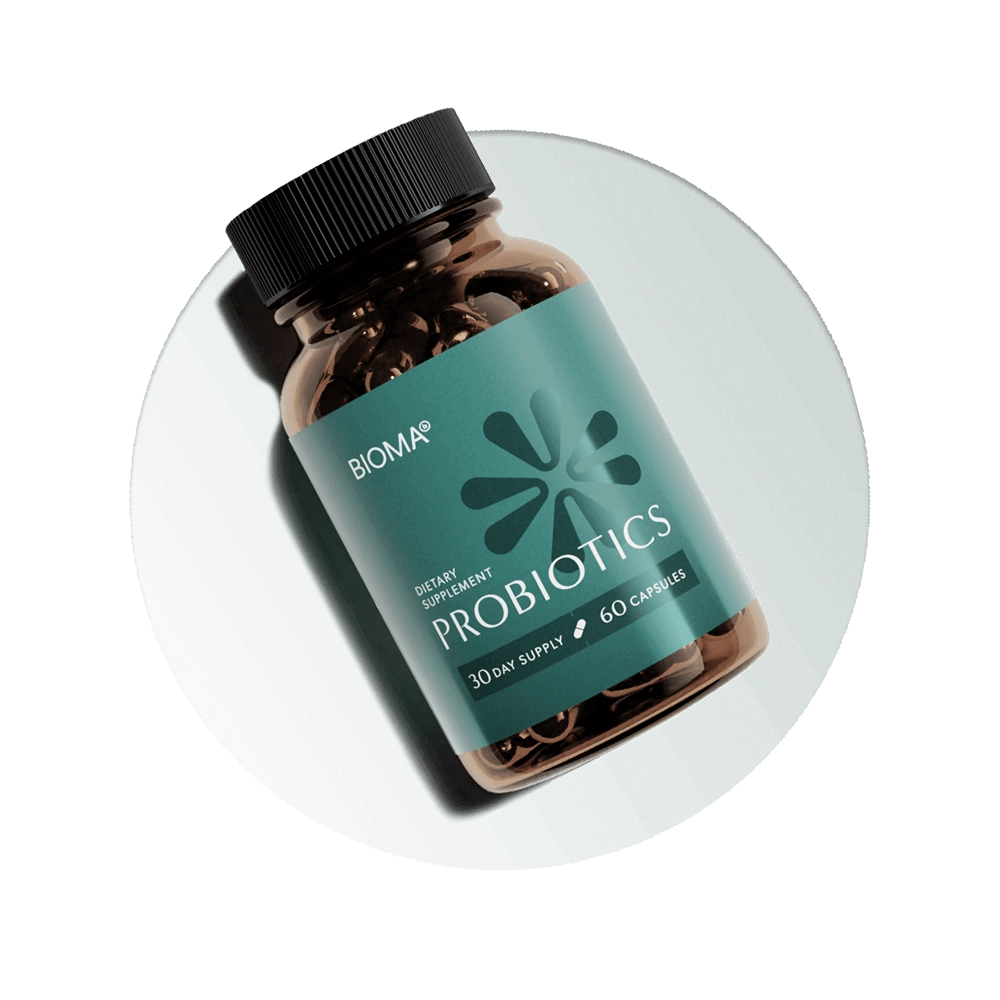
This is where support from within can make a difference. Bioma Probiotics are designed to support gut balance, which plays a role in how your body manages stress and maintains stability. When your internal systems are more balanced, it becomes easier for your nervous system to shift between activation and rest.
This does not replace external habits, but it can support them, making the overall process feel more natural and less forced.

You Don’t Need to Force Calm – You Need to Create It
Trying to force yourself to feel calm often leads to more frustration. Calm is not something you can demand from your body. It is something your body produces when the conditions are right.
When you start focusing on creating those conditions, through simple habits and consistent support, your system begins to respond differently. Over time, what once felt difficult starts to feel more natural.
And that is when regulation stops being something you chase and becomes something you experience.
Related articles



Less gut discomfort. More freedom to enjoy life.
Take our 1-min quiz to find out your gut type and get personalized advice and probiotics to relieve constipation, bloating, and other digestive issues.


