Is Your Body in Survival Mode? Take the Quiz


You’re getting through your days, but it doesn’t really feel like living. You wake up tired, push through your tasks, and somehow make it to the evening without ever feeling fully present or energized. Even when you try to rest, your body does not seem to respond the way it used to. There is a constant sense of pressure in the background, even if nothing dramatic is happening. Over time, this starts to feel normal, which is what makes it so easy to ignore.
It can look like burnout, but it does not always reach that extreme point. It can feel like stress, but not in an obvious or overwhelming way. Many people describe it as feeling “off” without being able to explain why. In reality, what you may be experiencing is your body operating in a different mode. Your system may have shifted into what is often called survival mode.

What Does “Survival Mode” Actually Mean
Survival mode is a state where your body prioritizes protection over performance. Instead of focusing on energy, recovery, and long-term balance, your system shifts into maintaining basic function under pressure. This is a natural response designed to help you get through challenging situations. The problem is that it is meant to be temporary, not something your body stays in for weeks or months at a time. When this state becomes prolonged, it starts to affect how you feel on a daily basis.
In this mode, your body allocates resources differently. Digestion may become less efficient, energy becomes less stable, and recovery processes are not prioritized in the same way. You may still be able to function and complete tasks, but it often feels harder than it should. This is why many people in survival mode describe feeling like they are constantly pushing themselves. It is not that they lack discipline, but that their system is operating under strain.
Quick Quiz: Is Your Body in Survival Mode
Before trying to change anything, it helps to understand where your body is right now. This quick check is designed to help you recognize patterns, not judge yourself. Answer honestly based on how you have been feeling recently, not just on your best or worst day. The goal is awareness, because awareness is what allows change to happen.
⚡ Survival Mode Check
Be honest. This is about patterns, not perfection.
Why Your Body Stays in Survival Mode
Your body does not enter survival mode randomly, and it does not stay there without a reason. It happens when stress signals are repeated without enough recovery to balance them out. These signals do not have to be dramatic or obvious. They often come from everyday patterns like poor sleep, constant stimulation, irregular eating, and never fully switching off.
Over time, your body adapts to this environment. Instead of moving between stress and recovery, it settles into a middle state where it is always slightly activated. This is why you can feel both tired and tense at the same time. Your system is trying to keep up with demands, but it is not getting the signals it needs to fully relax. The longer this continues, the more it becomes your baseline.

What Survival Mode Feels Like Day to Day
Living in survival mode often feels subtle, which is why many people do not recognize it right away. You may feel like you are constantly doing things but never fully catching up. Your energy might come in waves, where you have short bursts followed by noticeable drops. Even when you rest, it does not feel as effective or restorative as it used to.
Focus can also become more difficult, and small tasks may feel heavier than they should. This creates a cycle where everything requires more effort, even if your actual workload has not changed. Over time, this can lead to frustration and confusion, because there is no clear reason for the shift. The reality is that your body is operating in a different state, and that affects everything else.
Why It’s Hard to Get Out of Survival Mode
One of the most frustrating parts is that simply trying to relax does not immediately fix the problem. You might try to sleep more, take breaks, or reduce stress, but your body does not fully respond. This happens because survival mode is not just a moment, but a pattern your system has learned over time.
Your nervous system becomes used to a certain level of activation, and anything different can feel unfamiliar. Even when you are technically resting, your body may still be processing signals as if it needs to stay alert. This is why getting out of survival mode requires more than just one change. It requires consistent signals that your body can begin to trust again.
How to Get Out of Survival Mode
When thinking about how to get out of survival mode, the key is not intensity but consistency. Your body does not need to be forced into calm. It needs to experience it repeatedly until it becomes familiar again. This means focusing on small, stable changes rather than trying to fix everything at once.
Creating more predictable routines helps your body feel safer because it can anticipate what is coming next. Supporting your energy through regular meals and better sleep patterns reduces internal stress. Reducing overstimulation, especially in the evening, helps your system transition into recovery more easily. Over time, these signals start to shift your baseline, making calm feel more natural instead of something you have to chase.
Supporting Your Body During the Reset
When your body has been in survival mode for a long time, external changes alone may not be enough. Your internal systems also need support so that your body can respond more effectively. If digestion is inconsistent or your system is under strain, it becomes harder to move out of that state.
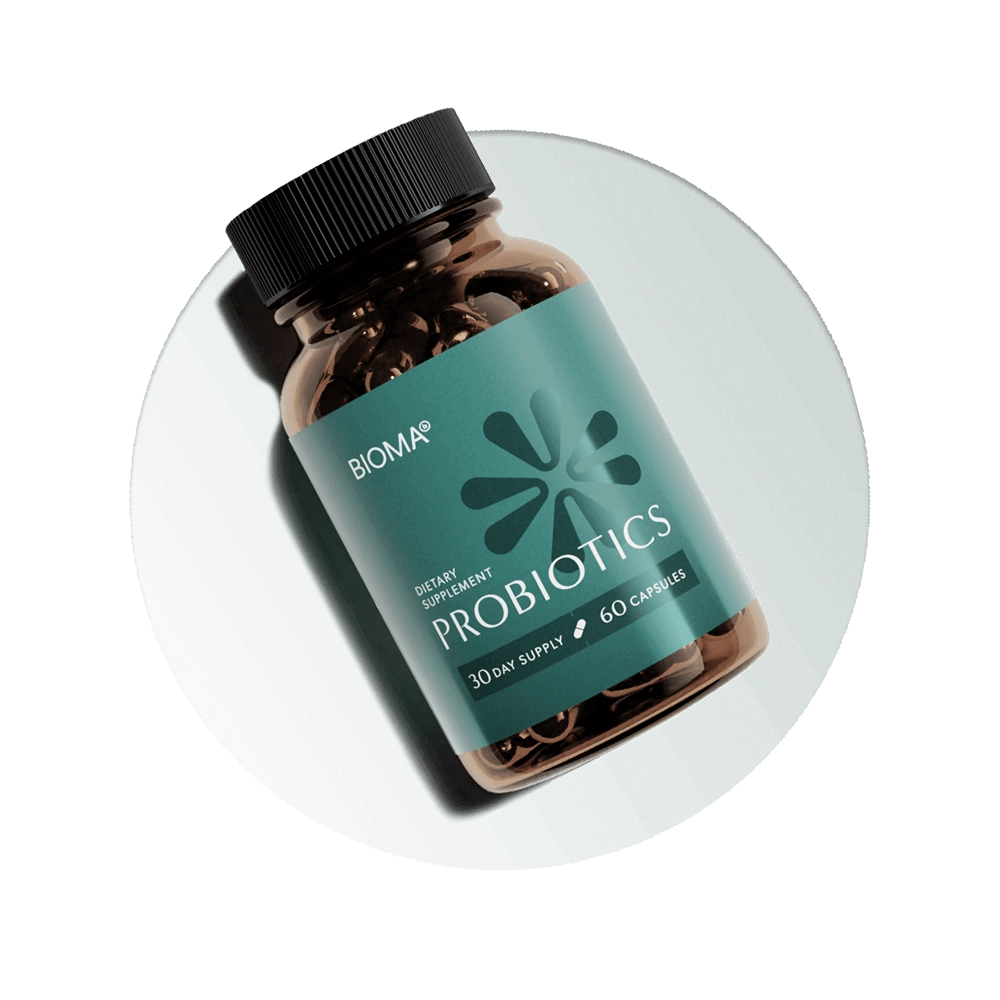
This is where support like Bioma Probiotics can play a role. By helping balance your gut, they support digestion, energy stability, and reduce internal stress signals. When your body is more stable internally, it becomes easier for your nervous system to shift out of constant activation. This makes the whole process feel less forced and more natural over time.

Your Body Is Protecting You
The most important thing to understand is that your body is not working against you. It is doing exactly what it was designed to do, protect you in times of stress. The issue is not the response itself, but how long it has been active.
Once you recognize that, the approach changes completely. Instead of trying to push through or force relaxation, you start working with your body. By changing the signals it receives every day, you allow it to gradually shift back into balance. Over time, this is what brings back stable energy, better focus, and a sense of ease that feels natural again.
Related articles


Less gut discomfort. More freedom to enjoy life.
Take our 1-min quiz to find out your gut type and get personalized advice and probiotics to relieve constipation, bloating, and other digestive issues.


