IBD vs IBS: Symptoms, Causes, and Treatment Differences: Take the Quiz


Digestive pain is often grouped into one vague category: “stomach problems.” But not all gut issues are the same. Two conditions that are frequently confused are IBS and IBD. They sound similar, they affect the intestines, and some symptoms overlap. However, medically, they are very different.
Understanding the difference in symptoms of IBS and IBD is essential because treatment strategies, long term risks, and urgency levels are not the same. Let’s break it down clearly and simply.

IBS vs IBD: Why People Confuse Them
IBS stands for Irritable Bowel Syndrome. It is considered a functional gastrointestinal disorder. That means symptoms are real, but there is no visible structural damage or inflammation detected through standard imaging or biopsy.
IBD stands for Inflammatory Bowel Disease. This includes Crohn’s disease and ulcerative colitis. Unlike IBS, IBD involves measurable inflammation in the digestive tract and can cause tissue damage.
The ibd vs ibs symptoms difference becomes clearer when you look at inflammation markers and severity. IBS affects how the gut functions. IBD affects the gut tissue itself.
Most Common IBS Symptoms
IBS symptoms can vary widely, especially in women, which is why searches like “ibs symptoms female quiz” are common. The most common IBS symptoms include abdominal pain, bloating, diarrhea, constipation, or alternating bowel habits.
Many people ask, “IBS symptoms where is the pain?” IBS pain is usually cramping and located in the lower abdomen. It often improves after a bowel movement. Stomach IBS symptoms may also include excessive gas and visible bloating.
The 9 signs and symptoms of irritable bowel syndrome often include:
• Abdominal pain
• Bloating
• Diarrhea
• Constipation
• Mucus in stool
• Urgency
• Feeling incomplete after bowel movement
• Symptoms triggered by stress
• Symptoms triggered by specific foods

IBS causes are not fully understood, but gut sensitivity, stress, food intolerances, and altered gut motility all play roles. IBS symptoms can last for years, but they do not cause structural damage to the intestine.
IBS can cause temporary weight changes due to appetite shifts or food restriction, but significant unexplained weight loss is not typical and should be evaluated.
IBD Signs and Symptoms
IBD signs and symptoms are more serious because real inflammation is physically present in the intestinal lining. Unlike IBS, which affects how the gut functions, IBD involves structural damage that can be seen during colonoscopy or imaging tests. Common IBD symptoms include persistent diarrhea, ongoing abdominal pain, fatigue, and blood in the stool. These symptoms are not just uncomfortable, they reflect active immune system inflammation inside the digestive tract.
If you are wondering how to know if you have IBD, certain red flags require medical attention. Unexplained weight loss, recurring fever, anemia, and symptoms that wake you from sleep are particularly concerning. Nighttime diarrhea or pain is uncommon in IBS but more typical in inflammatory conditions. Blood tests in IBD may show elevated inflammatory markers such as C-reactive protein, and stool tests can detect inflammation markers like calprotectin, which are not elevated in IBS.

Some people ask whether you can have IBD without symptoms. Silent IBD symptoms are possible in early or mild cases, especially before diagnosis. However, most individuals eventually experience persistent inflammation related signs that do not fully resolve without treatment. Over time, untreated IBD can lead to complications such as strictures, malabsorption, or nutritional deficiencies.
IBD symptoms in women can initially overlap with IBS, particularly when abdominal pain and bowel irregularity are the main complaints. Hormonal fluctuations may also influence symptom intensity, which can blur the distinction. This overlap is exactly why proper medical evaluation is critical when warning signs such as bleeding, weight loss, or systemic fatigue are present. Distinguishing between IBS versus IBD symptoms is not just semantic. It determines whether lifestyle management is appropriate or whether medical therapy is necessary to control inflammation.
IBS or IBD? Take This Symptom Quiz
This quiz does not diagnose. It helps you recognize patterns. Select all symptoms that apply.
IBS or IBD? Answer the questions below:
IBS Causes and Triggers
IBS causes are complex and do not point to one single structural problem. Instead, IBS is understood as a disorder of gut–brain interaction, meaning the communication between the digestive system and the nervous system becomes dysregulated. In people with IBS, the intestines are often more sensitive to normal digestive processes. Regular stretching from gas or stool that would not bother most people can trigger pain or urgency. This heightened visceral sensitivity is one of the core mechanisms behind IBS symptoms.
Another important factor is altered gut motility. Some individuals experience faster intestinal contractions, leading to IBS symptoms with diarrhea. Others experience slower movement, contributing to constipation. In many cases, the pattern alternates. These shifts can be influenced by stress hormones, sleep quality, and even previous gastrointestinal infections. Post infectious IBS is well documented, where symptoms begin after food poisoning or viral illness and persist long after the infection has resolved.

Food triggers play a major role, although they are highly individual. High FODMAP foods, which contain fermentable carbohydrates, can increase gas production and bloating in sensitive individuals. Caffeine may stimulate bowel contractions and worsen urgency. Fatty meals can slow gastric emptying and intensify discomfort. Importantly, these foods do not damage the gut in IBS. They amplify sensitivity and motility responses.
Hormonal fluctuations can also influence IBS symptoms in women. Many report worsening symptoms around menstruation due to shifts in estrogen and progesterone levels, which affect gut motility and pain perception. Stress remains one of the strongest triggers because the gut–brain axis directly regulates intestinal contractions and inflammatory signaling. When psychological stress increases, the body releases cortisol and other mediators that can heighten gut sensitivity and alter digestion. This is why IBS management often requires a combined approach that addresses diet, nervous system regulation, and microbial balance rather than focusing on one single trigger.
How to Reduce IBS Symptoms
Diet plays a significant role. Many people benefit from a low FODMAP approach, which reduces fermentable carbohydrates that trigger bloating. Adjusting fiber intake carefully can also help, as too much or too little fiber may worsen symptoms.
Stress management is equally important. Techniques such as breathing exercises and regular movement reduce gut hypersensitivity. Probiotics for IBS symptoms may also help rebalance microbial diversity and reduce bloating.
Bioma Probiotics contain Bifidobacterium strains that support digestive balance and gut barrier integrity. For individuals whose IBS symptoms are linked to microbial imbalance and bloating, targeted probiotic support can complement dietary adjustments.

IBD Causes and Triggers
IBD causes involve immune system dysregulation. In conditions like Crohn’s disease and ulcerative colitis, the immune system mistakenly attacks the digestive tract, leading to chronic inflammation and tissue damage. Unlike IBS, this inflammation is measurable through blood tests, stool markers, and colonoscopy findings.
Genetics increase risk, but environmental factors such as infections, smoking, antibiotic exposure, and microbiome imbalance may also contribute. Flare ups can be triggered by infections, stress, or certain foods during active inflammation, although diet alone does not cause IBD. Because IBD involves ongoing immune activity, it requires medical monitoring and structured treatment to prevent complications.
How to Reduce IBD Symptoms
IBD treatment focuses on controlling inflammation and maintaining remission. New IBD treatment options include biologic medications that target specific immune pathways involved in chronic inflammation. Anti inflammatory drugs, corticosteroids during flares, and immune modulators are commonly used to reduce immune system overactivity and prevent tissue damage. The goal is not only symptom relief but also long term protection of the intestinal lining.
Dietary adjustments may help manage flare ups by reducing mechanical irritation and supporting nutrient intake, especially during active inflammation. Some patients benefit from temporary low residue or simplified diets during flares, but nutrition strategies should complement, not replace, medical therapy. Because IBD can lead to complications if left uncontrolled, ongoing care with a gastroenterologist is essential to monitor inflammation levels and adjust treatment as needed.
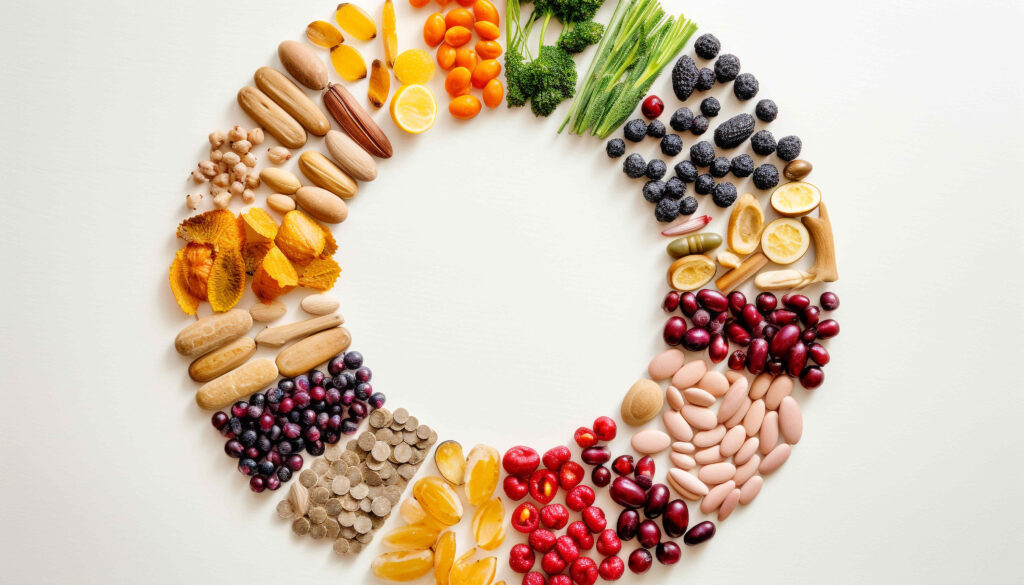
Not All Digestive Pain Is the Same
IBS and IBD may look similar at first glance, but they are fundamentally different conditions. IBS is functional and uncomfortable but not inflammatory. IBD is inflammatory and requires medical supervision.
Understanding the difference allows you to choose the right strategy. When symptoms suggest IBS, diet and gut support may help. When red flags suggest IBD, medical evaluation should not be delayed.
Related articles



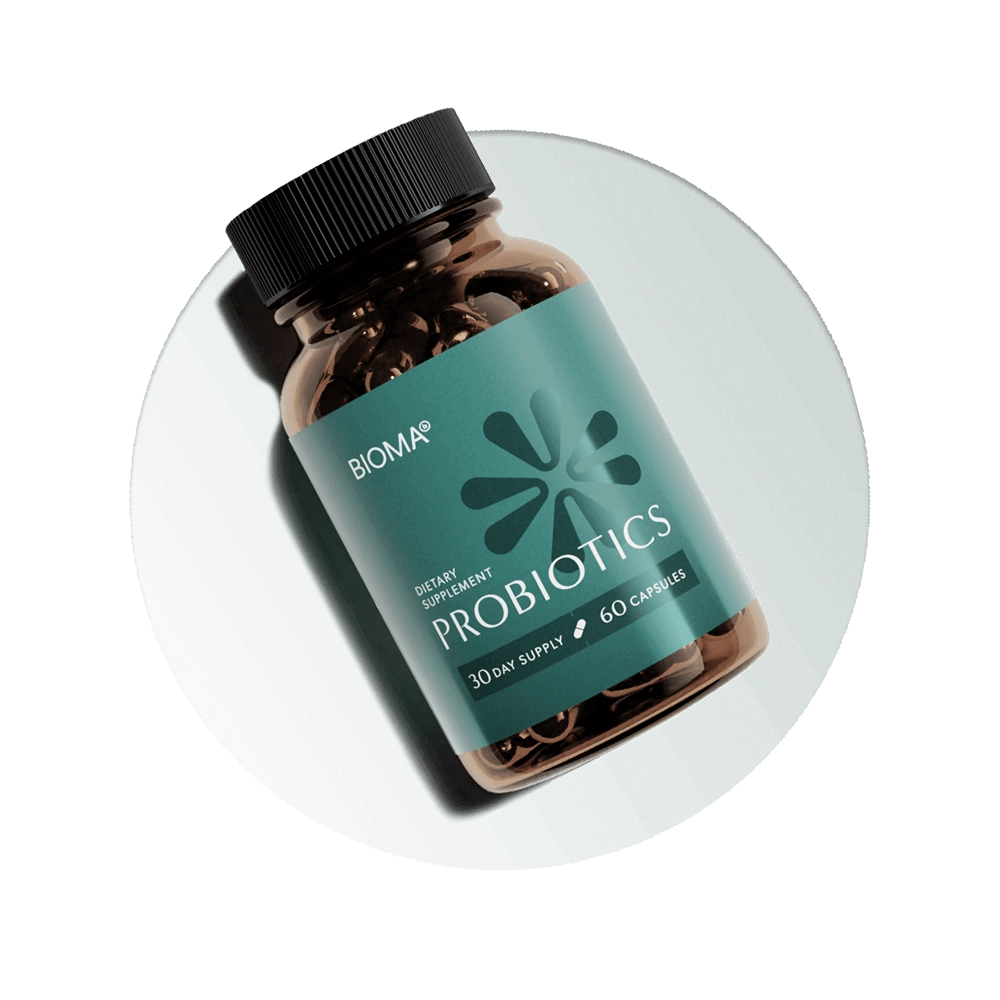
Less gut discomfort. More freedom to enjoy life.
Take our 1-min quiz to find out your gut type and get personalized advice and probiotics to relieve constipation, bloating, and other digestive issues.


