I Stopped Sugar for 14 Days. Here’s What Happened to My Gut


At Bioma, we don’t just talk about gut health, we test what actually works in real life. After one of our team members shared a very clear and successful story about improving her gut through simple changes, we decided to look deeper. We asked the team a direct question: who else has struggled with gut issues and actually tried to fix them in a structured way? That is how we found another story, this time focused on sugar. It was simple, practical, and highly repeatable, so we decided to share it because it reflects what many people go through but rarely analyze properly.
After publishing the first story, we saw a clear response. Many of you recognized your own symptoms in it. That confirmed one thing. These are not isolated cases. These are patterns. So we decided to continue and share another real example, this time focused on sugar and how removing it affected the gut in just 14 days. Here is Emily speaking:
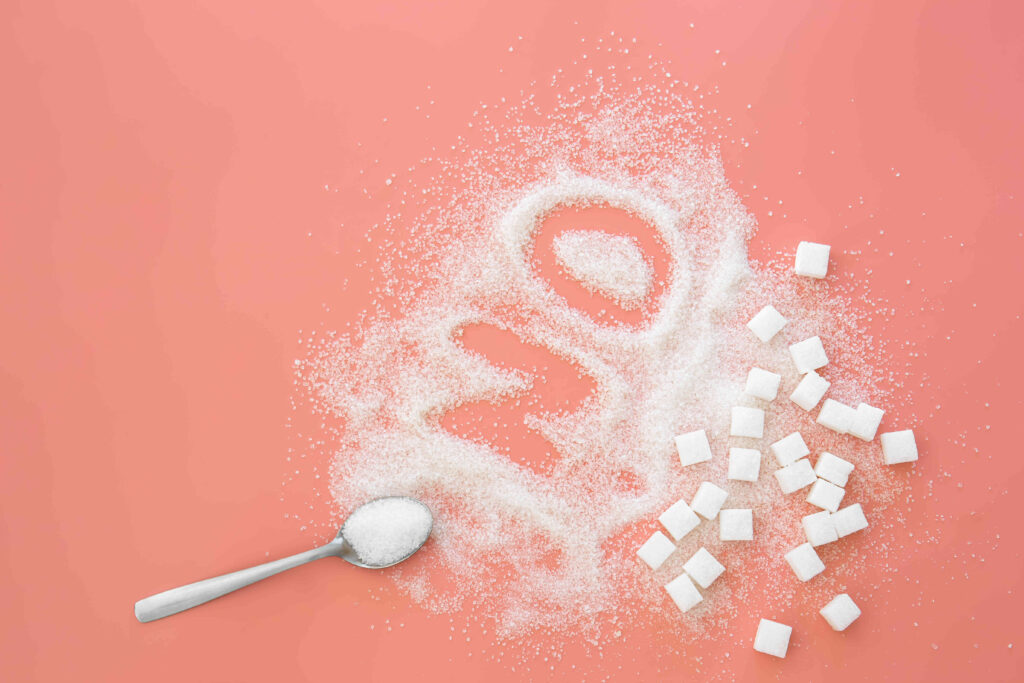
Why I Decided to Quit Sugar
At first, I did not see sugar as a problem because my habits looked “normal” on the surface. I was not eating desserts constantly or drinking sugary drinks every day, so it felt like everything was under control. But the symptoms told a different story, and they were consistent enough to ignore. I felt bloated after meals, my energy would drop in the afternoon, and I constantly craved something sweet even when I was not actually hungry. This is where most people get stuck, because sugar is not always obvious but still affects your system. At some point, it became clear that I needed to stop guessing and test it directly.
How I Structured the 14 Days
I did not want to rely on willpower alone, so I created a simple structure that removed decision fatigue. The rules were clear: no added sugar, no hidden sugars in sauces or processed snacks, and meals kept simple and repeatable. I also ate at consistent times to reduce unnecessary snacking and give my digestion a predictable rhythm. The goal was not to create the perfect diet, but to create a system I could follow without overthinking. When your approach is structured, you can actually observe what changes instead of reacting randomly.
What I Ate Instead of Sugar
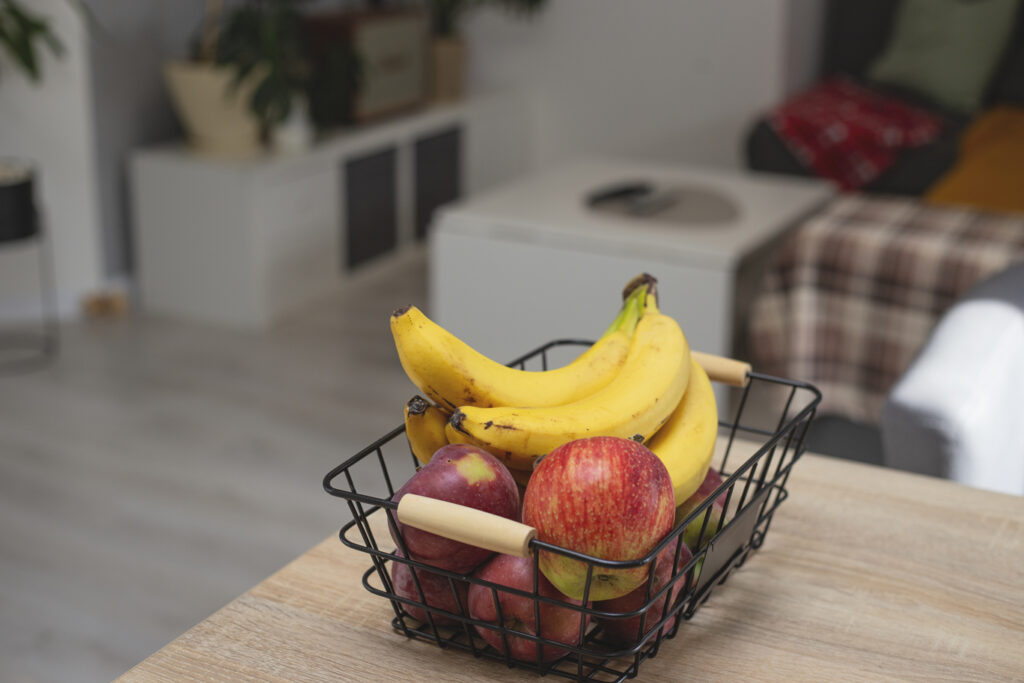
Removing sugar without replacing it properly usually leads to failure, so I focused on keeping meals simple and satisfying. Breakfast was built around protein and healthy fats to avoid early energy crashes, while lunch consisted of whole foods without heavy sauces or hidden ingredients. Dinner stayed light and easy to digest, which helped reduce the pressure on my gut in the evening. When cravings appeared, I either chose fruit or waited, because I wanted to retrain the habit rather than replace it immediately. This approach made the process easier to follow and removed unnecessary complexity.
Week 1 Without Sugar: The Hard Part
The first week is where most people stop. Not because the plan is complicated, but because the system you were used to starts breaking down. Your body expects quick sugar, and when it does not get it, it reacts. This is where discipline matters more than motivation, because the results are not visible yet.
The first few days were the most challenging, and the intensity of cravings surprised me more than anything else. It was not real hunger but a constant urge to eat something sweet after meals or during breaks. I started noticing how automatic these habits were, especially the need for sugar as a reward or routine. My energy dropped more than usual, and my focus was less stable, which made the process feel uncomfortable at times. This phase showed me how dependent my system had become on quick energy sources.
Week 2 Without Sugar: Real Results
The second week is where the system starts working for you, not against you. The initial resistance is gone, and your body begins to stabilize. This is where changes become noticeable, not because you did more, but because you stayed consistent.
Days 8–10: Less Noise in the System
By the second week, my body felt more stable and predictable, which made daily routines easier to follow. My energy levels stayed consistent without sharp drops, and I did not feel the same urgency to snack between meals. My stomach felt lighter after eating, and the constant bloating I used to experience was significantly reduced. These changes were not extreme, but they were consistent, which made them more meaningful. It felt like my system was no longer constantly reacting to what I was eating.
Days 11–14: Clear Gut Response
In the final days, the results became more visible and easier to measure. My stomach looked flatter, especially in the morning, without needing to restrict food or eat less. Digestion felt smoother and more efficient, and I did not experience the same discomfort after meals. Cravings were no longer automatic, which gave me more control over my choices instead of reacting out of habit. At this point, it was clear that removing sugar had a direct impact on how my gut functioned.
What Sugar Was Actually Doing to My Gut
Sugar does not just affect energy levels, it also affects the balance of bacteria in your gut. When you consume it regularly, it feeds bacteria that thrive on quick energy, which can disrupt the natural balance of your microbiome. This imbalance often shows up as bloating, unstable digestion, and increased cravings, creating a cycle that is difficult to break. When I removed sugar, I was not just changing my diet, I was changing the environment inside my gut. Over time, this allowed my system to stabilize and function more efficiently.

The Biggest Changes I Noticed After 14 Days
After two weeks, the changes were clear and consistent enough to trust. My stomach looked noticeably flatter, not because I restricted food, but because my digestion improved. I felt lighter after meals, and the constant bloating that used to appear throughout the day was no longer there. My energy remained stable, which made it easier to focus and stay productive without relying on quick fixes. One thing that also supported this process was adding targeted gut support through Bioma Probiotics, which helped maintain a more balanced microbiome while my diet was changing. The combination of removing sugar and supporting gut bacteria made the results feel more stable rather than temporary.

Related articles



Less gut discomfort. More freedom to enjoy life.
Take our 1-min quiz to find out your gut type and get personalized advice and probiotics to relieve constipation, bloating, and other digestive issues.


