How to Get Rid of Inflammation in the Gut


Gut inflammation is often invisible at first. It does not always start with severe pain or a diagnosis. Instead, it can show up as bloating, irregular digestion, fatigue after meals, skin flare ups, or a general feeling that something is off. Over time, low grade chronic inflammation in the gut can affect not only digestion but also immune balance and overall health.
If you are wondering how to get rid of inflammation in the gut, the answer often begins with food. Certain dietary patterns can trigger inflammatory responses, while others help calm and repair the intestinal lining.

Let’s break down what actually causes gut inflammation and what you can do about it.
What Is Gut Inflammation and Why Does It Happen?
Inflammation is a natural immune response. In the short term, it helps the body fight infections and repair damage. The problem arises when inflammation becomes chronic. In the gut, this may involve irritation of the intestinal lining, disruption of the microbiome, and increased intestinal permeability.
So can food cause inflammation? Yes, in certain contexts it can. Highly processed foods, excess sugar, alcohol, and poor quality fats may stimulate inflammatory pathways. For some individuals, food intolerances or sensitivities also trigger digestive inflammation.
Foods that cause gut inflammation do not affect everyone equally. Genetics, microbiome composition, stress levels, and overall diet quality all influence how the body responds. However, some categories consistently appear in research as contributors to chronic inflammation.
How to Get Rid of Inflammation in the Gut Naturally
Reducing gut inflammation is rarely about removing one single food. It is about shifting daily patterns that repeatedly irritate the intestinal lining and disrupt microbial balance. Chronic low grade inflammation usually develops over time, which means it also improves gradually when the underlying triggers are addressed consistently.
Below are the most important pillars when working to reduce gut inflammation naturally.
1. Remove or Reduce Trigger Foods
The first step is identifying and gradually reducing foods that make inflammation worse. This typically includes ultra processed foods, excess added sugar, refined carbohydrates, and frequent alcohol consumption.
You do not need to eliminate everything at once. A practical approach is to begin by replacing one inflammatory food per day with a whole food alternative. For example, swap sugary breakfast cereals for oatmeal with berries, or replace processed snacks with nuts and seeds. Consistency matters more than perfection.
If specific foods repeatedly trigger bloating, discomfort, or irregular digestion, consider temporarily reducing them while monitoring symptoms. The goal is awareness, not extreme restriction.
2. Increase Fiber to Support Microbial Balance
Fiber plays a central role in calming digestive inflammation. It acts as fuel for beneficial gut bacteria, which produce short chain fatty acids that help maintain the integrity of the intestinal lining.
However, fiber should be increased gradually. Rapid increases may worsen bloating if the microbiome is already imbalanced. Focus on diverse fiber sources such as vegetables, legumes, seeds, and whole grains. Diversity supports microbial diversity, which is strongly associated with better inflammatory regulation.
3. Support the Gut Barrier
The intestinal lining functions as a protective barrier between the digestive tract and the bloodstream. When this barrier becomes compromised, inflammatory responses may increase.
Supporting gut barrier function involves adequate protein intake, sufficient micronutrients, and reducing chronic irritants such as excessive alcohol and heavily processed foods. Nutrient dense whole foods help maintain structural integrity of the gut lining.
4. Prioritize Sleep and Stress Regulation
Chronic stress directly affects the gut through the gut brain axis. Elevated stress hormones can alter digestion, change microbial composition, and increase intestinal permeability.
Improving sleep quality and managing stress are often overlooked but critical components of reducing inflammation. Simple strategies such as consistent sleep schedules, light exposure in the morning, and stress reduction practices can positively influence gut function.

5. Stay Hydrated and Move Regularly
Hydration supports digestion and helps maintain healthy bowel movements. Dehydration can slow motility, which may increase discomfort and inflammation.
Regular moderate movement improves circulation, supports metabolic health, and positively influences gut motility. This does not require intense workouts. Even daily walking can support digestive balance.
Top Foods That Cause Inflammation in the Body
One of the most significant contributors to chronic inflammation is excess added sugar. High sugar intake can elevate inflammatory markers and contribute to insulin resistance. Frequent consumption of sweetened beverages, desserts, candy, flavored yogurts, and many packaged snacks creates repeated blood sugar spikes followed by metabolic stress. Over time, this pattern may worsen gut inflammation and disrupt microbial balance.
Ultra processed foods are another major category. These products often combine refined carbohydrates, industrial seed oils, artificial additives, preservatives, and high sodium levels. They are engineered for convenience and strong flavor appeal but typically lack fiber and micronutrients. Diets dominated by ultra processed foods are consistently associated with higher inflammatory markers. Fast food meals, packaged snack foods, ready to eat baked goods, and frozen convenience meals are common examples.
Refined vegetable oils also play a role when consumed excessively and without balance from omega 3 sources. Certain highly processed seed oils are rich in omega 6 fatty acids, which are not inherently harmful but can promote inflammatory pathways when intake significantly outweighs omega 3 consumption. These oils are frequently used in fried foods, packaged snacks, and processed restaurant meals.
Excess alcohol is another important factor. Alcohol can irritate the intestinal lining and increase gut permeability, sometimes referred to as “leaky gut.” Over time, this may contribute to digestive inflammation and microbial imbalance, especially when intake is frequent or excessive.
Refined carbohydrates, including white bread, white pasta, and low fiber grain products, are rapidly digested and absorbed. This can lead to repeated blood sugar fluctuations, which may indirectly support inflammatory processes. When these foods are combined with low nutrient density and high calorie intake, they become part of the worst foods that cause inflammation in many modern dietary patterns.
It is important to emphasize that most of these foods are not inherently dangerous in small amounts. The issue arises when they form the foundation of the daily diet. Chronic inflammation is usually not caused by one meal. It develops gradually when highly processed, low fiber, and high sugar foods consistently dominate over whole, nutrient dense options.
Are There Healthy Foods That Cause Inflammation?
This is where nuance matters. Some foods are considered healthy but may still trigger symptoms in certain individuals.
Nightshade vegetables such as tomatoes, peppers, and eggplants are sometimes discussed in the context of inflammation. For most people, they are nutritious and safe. However, individuals with specific sensitivities may report worsening symptoms.
Similarly, even high fiber foods can cause discomfort if introduced too quickly or if gut balance is already disrupted.
Healthy foods that cause inflammation are usually the exception rather than the rule. The key is individual tolerance. Blanket elimination without evidence is rarely necessary.
Complete List of Foods That Cause Inflammation
Below is an interactive foods that cause inflammation list. Use it to identify patterns rather than to eliminate everything at once.
Complete List of Common Foods That Cause Inflammation
Check the foods that frequently appear in your weekly routine.
Foods That Don’t Cause Inflammation (And May Help Reduce It)
While focusing on what to avoid is useful, it is equally important to include foods that don’t cause inflammation.
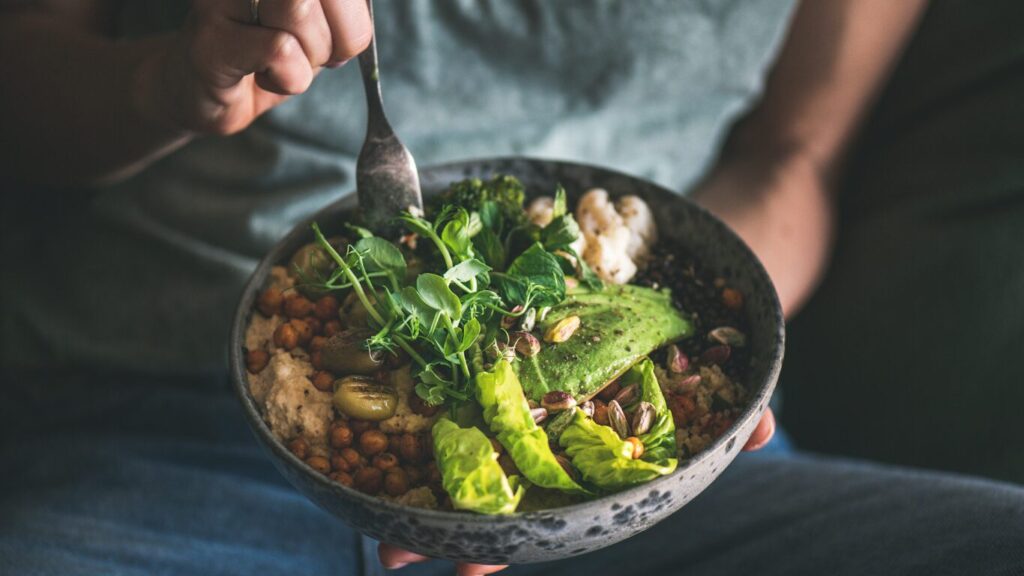
Whole vegetables, berries, fatty fish rich in omega 3, olive oil, nuts, seeds, and legumes are commonly associated with lower inflammatory markers. Fiber rich foods support microbial diversity, which plays a role in regulating immune responses. Replacing ultra processed foods with whole food options is often more effective than strict elimination.
How Bioma Probiotics Can Support Gut Inflammation Balance
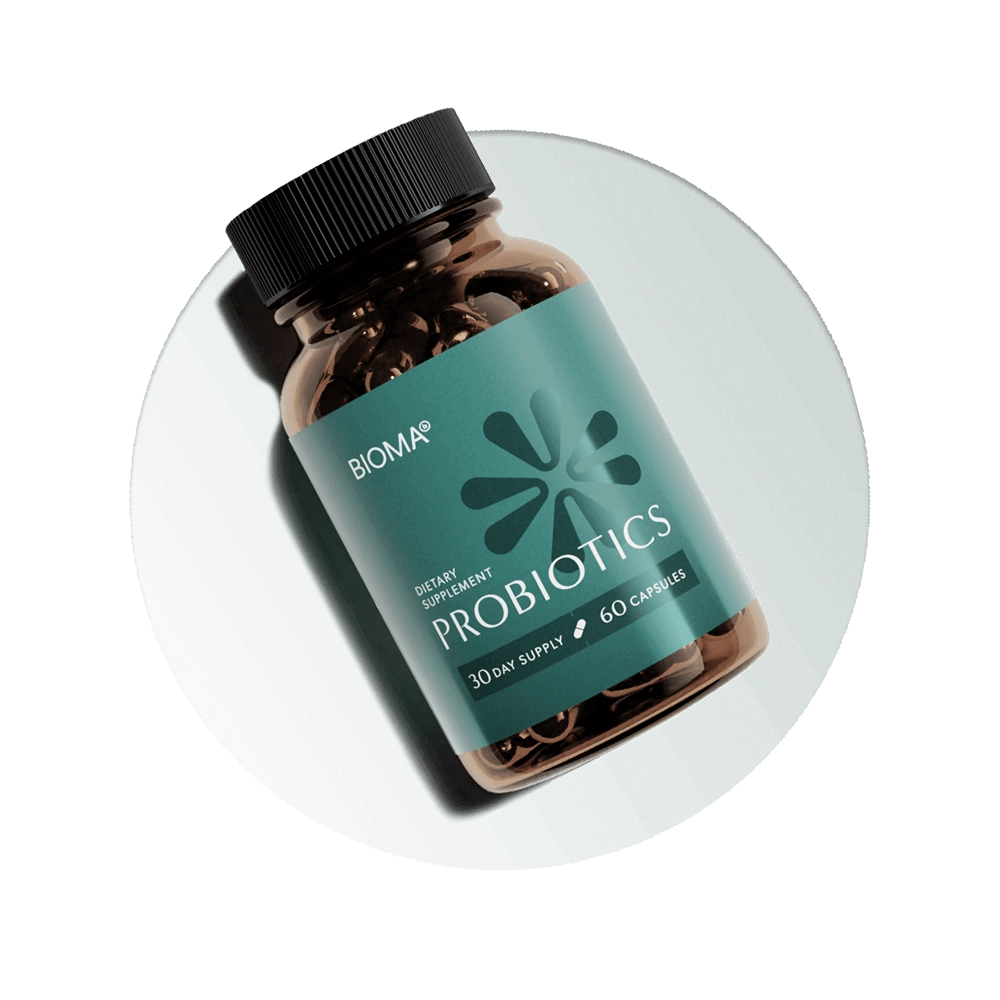
The gut microbiome plays a central role in immune signaling and inflammatory balance. When microbial diversity is reduced, inflammatory responses may become more pronounced. Bioma Probiotics are formulated to support gut microbial balance. By promoting a healthier microbiome environment, probiotics may help strengthen the intestinal barrier and support digestive stability. While probiotics are not a replacement for medical treatment, they may complement dietary strategies aimed at reducing chronic low grade inflammation in the gut.

Reducing Inflammation Is About Patterns, Not Perfection
If you want to get rid of inflammation in the gut, focus on long term patterns rather than single “bad” foods.
Reduce ultra processed products. Limit excess sugar and alcohol. Increase fiber rich whole foods. Support your microbiome.
Inflammation does not disappear overnight, but consistent, balanced changes can significantly improve digestive comfort and overall well being over time.
Related articles



Less gut discomfort. More freedom to enjoy life.
Take our 1-min quiz to find out your gut type and get personalized advice and probiotics to relieve constipation, bloating, and other digestive issues.


