How Long Does an Inflamed Gut Take to Heal (And How to Actually Get Rid of Gut Inflammation)


Gut inflammation, that uncomfortable, unpredictable sensation in your stomach or intestines is more common than most people think. You might feel bloated, crampy, off after meals, or even notice changes in mood and energy. In this article, we’ll break down what gut inflammation really is, how to recognize it, what worsens it, and most importantly, how to reduce it effectively and sustainably — whether your goal is relief within days or long-term gut health.

What Does an Inflamed Gut Actually Mean?
When we talk about an inflamed gut, we are referring to irritation or immune activation somewhere along the digestive tract. This may involve the stomach lining, known as gastritis, the small intestine, or the colon. Inflammation is the immune system’s natural response to stress, injury, infection, or exposure to irritants. In the short term, it is protective and part of the body’s healing process.
The problem arises when inflammation becomes chronic or excessive. Instead of resolving after the initial trigger is removed, the immune system remains activated. This ongoing response can lead to symptoms such as abdominal pain, bloating, irregular bowel movements, and even systemic effects like fatigue or brain fog. At that point, the gut is no longer just reacting. It is struggling to return to balance.
Biologically, several changes can occur in an inflamed gut. The intestinal lining may become more permeable, a phenomenon often referred to as increased gut permeability. Immune cells become more active and release signaling molecules that sustain irritation. The balance of beneficial and harmful bacteria may shift, further amplifying immune responses. At the same time, digestion can become less efficient, contributing to discomfort after meals.
Understanding these mechanisms is important because healing is not just about temporarily reducing symptoms. True recovery involves calming immune activation, restoring microbial balance, and supporting the integrity of the gut lining over time.

Common Signs Your Gut Is Inflamed
If you’re wondering how do I know if my gut is inflamed?, here are common patterns people experience:
- Bloating and gas after meals
- Abdominal pain or burning sensation
- Diarrhea or loose stools
- Constipation or alternating bowel patterns
- Food sensitivities that weren’t there before
- Fatigue or low energy unrelated to sleep
- Brain fog or reduced mental clarity
- Skin reactions, especially eczema or rosacea flares
What Causes Gut Inflammation?
One of the most common contributors is a diet high in ultra processed foods. Refined carbohydrates, artificial additives, emulsifiers, and preservatives can alter microbial composition and increase intestinal permeability. When beneficial bacteria decrease and opportunistic species expand, immune signaling becomes more reactive. Over time, this shift can promote low grade inflammation in the digestive tract.
Alcohol and sugary drinks also play a significant role. Alcohol can directly irritate the stomach lining and increase permeability in the intestines, allowing inflammatory molecules to cross into the bloodstream more easily. High sugar intake feeds certain bacteria that produce inflammatory byproducts, further amplifying immune activation. When consumed frequently, these substances strain the gut barrier.
Chronic stress is another powerful driver. Stress hormones such as cortisol influence gut motility, reduce digestive enzyme production, and increase intestinal permeability. The gut and brain are closely connected through the gut–brain axis, so ongoing psychological stress can translate into physical digestive inflammation. Poor sleep often compounds this effect, as the body loses opportunities for repair.

Infections, including bacterial, viral, or parasitic exposures, can trigger acute inflammation that sometimes lingers after the infection clears. In some individuals, the immune system remains partially activated, leading to ongoing sensitivity or irritation. Similarly, antibiotics, while sometimes essential, can disrupt microbial diversity by eliminating beneficial bacteria along with harmful ones. This imbalance may reduce the gut’s ability to regulate immune responses effectively.
Food sensitivities also contribute to certain individuals. Intolerances to dairy, gluten, or highly fermentable carbohydrates such as FODMAPs can increase gas production, irritation, and immune signaling in sensitive people. While these foods are not universally harmful, repeated exposure in someone who reacts to them can sustain inflammation.
Taken together, these factors show that gut inflammation is rarely caused by one single issue. It is usually the result of accumulated stressors affecting the microbiome, the gut lining, and immune regulation. This is why healing requires a comprehensive approach rather than a single dietary change.
How Long Does an Inflamed Gut Take to Heal?
There’s no one-size-fits-all answer. The healing timeline depends on many different factors. Here’s a general healthy progression many clinicians observe:
Acute onset irritation (days to a couple of weeks):
If the inflammation is from a short-lived trigger (like an infection, a weekend of poor eating, or stress spike), symptoms can start to calm within a few days once the trigger is removed and supportive habits are implemented.
Moderate chronic irritation (several weeks to a couple of months):
If symptoms have been lingering, it may take several weeks of consistent dietary adjustments, stress management, and gut supportive practices to see significant improvement.

Long-term chronic inflammation (3+ months):
When irritation has been present for a long time due to unaddressed triggers or underlying conditions (like autoimmune conditions), healing is slower and may require medical evaluation, diagnostics, and more structured support.
Important: If you experience persistent pain, blood in stool, significant weight loss, fever, or anemia, seek medical evaluation — these may indicate conditions beyond general inflammation (such as IBD, infection or ulcers).
What Reduces Inflammation in the Gut?
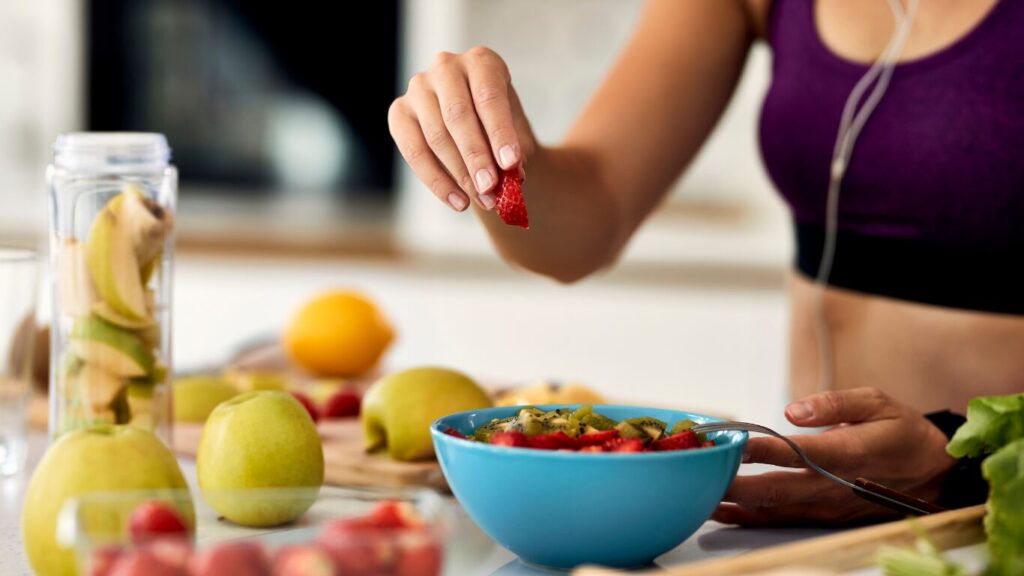
Reducing gut inflammation requires removing triggers and supporting repair at the same time. Cutting back on ultra processed foods, alcohol, and excessive sugar helps calm immune activation. Eating more gently prepared foods and slowing down during meals can immediately reduce digestive stress.
Supporting the gut lining with adequate fiber, key vitamins, and a diverse diet encourages healing. A balanced microbiome is also essential, and targeted probiotic support such as Bioma Probiotics may help promote microbial stability and reduce low grade inflammation.
Stress management and proper sleep are equally important. Because the gut and brain are closely connected, regulating stress hormones can significantly reduce inflammatory signaling and support recovery over time.
How to Reduce Gut Inflammation Fast (What Actually Helps)
If you want relief quickly, here are evidence-informed tactics to try right away:
- Remove known triggers today (e.g., alcohol, spicy foods, ultra processed snacks)
- Eat soothing meals (lean protein, cooked veggies, simple grains)
- Stay hydrated — water and herbal teas
- Manage stress in real time — short breathing exercises
- Light physical activity — walking or gentle yoga
While these may ease symptoms fast, measurable healing still generally takes weeks of consistent adjustments.
When It’s More Than Just Irritation
Sometimes gut inflammation is not just temporary irritation but a sign of an underlying medical condition. If symptoms persist beyond a few weeks despite dietary and lifestyle adjustments, it is important to consider further evaluation. Ongoing discomfort that does not improve with basic changes may indicate deeper inflammatory processes.
You should seek medical care if you notice blood in your stool, experience significant unexplained weight loss, or have symptoms that regularly wake you during the night. Persistent fever, anemia, or severe abdominal pain are also warning signs that should not be ignored. These patterns suggest that inflammation may be more than functional irritation.
In such cases, conditions such as gastritis, Crohn’s disease, ulcerative colitis, or certain infections may be involved and require specific medical treatment. Early evaluation can help prevent complications and ensure appropriate management.
How Bioma Probiotics May Support Gut Inflammation Recovery
Supporting your microbiome can be part of the inflammation recovery process. Bioma Probiotics are formulated with carefully selected strains of Bifidobacterium species that help support digestive balance and microbial diversity. These beneficial bacteria help strengthen the gut environment, which may reduce unnecessary immune activation and calm inflammatory signals over time. The formula also includes prebiotic components to nourish resident good bacteria and tributyrin to support gut lining integrity.
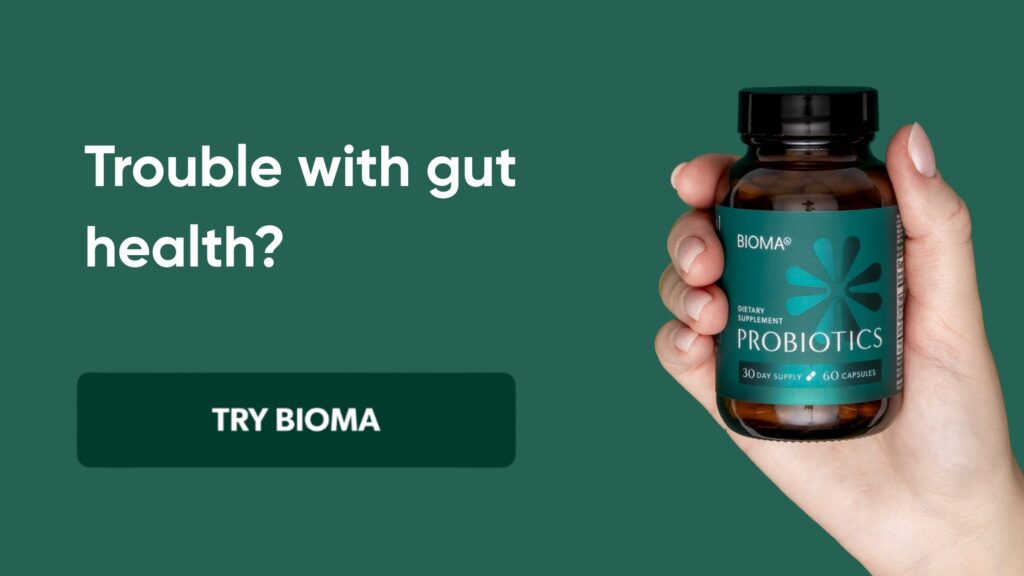
While probiotics are not a cure-all, they can complement diet, lifestyle, and stress management approaches as part of a comprehensive strategy to reduce gut inflammation.
Calm the Gut, and the Whole Body Follows
Healing an inflamed gut is not a sprint. It is a pattern of small, consistent steps. How long it takes depends on the cause and how quickly you remove triggers and adopt supportive habits. But you can impact your recovery timeline positively by focusing on nourishment, microbial balance, stress regulation, and overall lifestyle stability.
If you combine the strategies above — remove irritants, restore the lining, balance your microbiome, and reduce stress — you’ll create the conditions your gut needs to calm inflammation and rebuild resilience.
Inflammation in the gut may feel overwhelming, but with the right approach, you can ease symptoms, support healing, and promote lasting digestive health.
Related articles



Less gut discomfort. More freedom to enjoy life.
Take our 1-min quiz to find out your gut type and get personalized advice and probiotics to relieve constipation, bloating, and other digestive issues.


